Imagine setting the bedroom to 68 degrees for sleeping while the living room stays at 72 and the home office sits at a cool 70, all without ducts and all from separate remotes. That is exactly what a 5 zone mini split system delivers: one outdoor condenser feeding five independent indoor units, each controlling its own room. A 5 zone mini split system is one of the most flexible and efficient ways to heat and cool a whole home, especially older houses without ductwork or additions where extending central air is impractical. This guide covers how it works, sizing, cost, efficiency, and installation.
How a Multi-Zone Mini Split Works
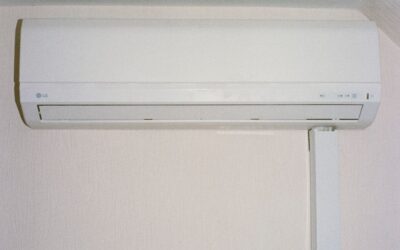
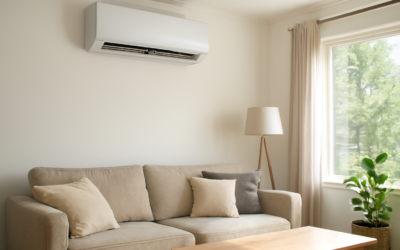
A ductless mini split has two main parts: an outdoor condenser and one or more indoor air handlers connected by refrigerant lines. In a 5-zone system, a single larger outdoor unit connects to five indoor heads, each mounted in a different room. Because each head has its own thermostat and remote, you set the temperature independently in every zone, and you can turn off units in rooms you are not using.
These systems are heat pumps, meaning they both cool in summer and heat in winter by moving heat rather than generating it. Modern inverter-driven compressors ramp up and down smoothly instead of cycling fully on and off, which keeps temperatures steady and cuts energy use. No ductwork means no duct losses, which in central systems can waste 20 to 30 percent of conditioned air.
Indoor Unit Styles
One advantage of a 5-zone setup is that you can mix and match indoor head styles to suit each room:
- Wall-mounted: The most common and least expensive, mounted high on a wall.
- Ceiling cassette: Recessed into the ceiling for a clean look, distributing air in four directions.
- Floor-mounted (floor console): Sits low on the wall, good for rooms with limited wall space or under large windows.
- Ceiling-concealed ducted: A short-run ducted head hidden in a ceiling or soffit to serve one or two rooms discreetly.
This flexibility lets you use a discreet cassette in the living room, a wall unit in bedrooms, and a floor console in a room where wall mounting is awkward, all on the same system.
Sizing the System Correctly
Proper sizing is critical, and it happens at two levels. Each indoor head is sized in BTUs for the room it serves, while the outdoor unit’s total capacity must cover the combined load. Common head sizes are 6,000, 9,000, 12,000, 18,000, and 24,000 BTU, roughly following the rule of about 20 to 30 BTU per square foot depending on climate, insulation, and sun exposure.
A typical 5-zone outdoor unit ranges from 36,000 to 60,000 BTU total. It is important not to oversize; an oversized system short-cycles, fails to dehumidify well, and wastes money. A proper load calculation, ideally a Manual J done by an HVAC pro, accounts for your climate zone, ceiling height, window area, and insulation. Undersizing leaves rooms uncomfortable in temperature extremes, while oversizing wastes both upfront cost and efficiency.
Understanding SEER and Efficiency
Mini splits are among the most efficient HVAC options available. Cooling efficiency is rated in SEER2 (Seasonal Energy Efficiency Ratio) and heating in HSPF2. Quality multi-zone systems carry SEER2 ratings from about 16 up to 22 or higher, with the more efficient units costing more upfront but using less electricity over their life.
For cold climates, look for cold-climate rated heat pumps that maintain strong heating output well below freezing, some down to minus 5 or even minus 15 degrees Fahrenheit. The higher the SEER2 and HSPF2, the lower your operating costs, and many high-efficiency systems qualify for federal tax credits and utility rebates, which can offset a meaningful chunk of the purchase price. Check current incentives before you buy.
What a 5 Zone Mini Split System Costs
Multi-zone systems cost more per zone than single-zone units because of the larger condenser and multiple heads plus line sets. As a 2026 installed-cost guide:
- Equipment only (condenser and five heads): $5,000 to $10,000
- Professional installation labor: $3,000 to $7,000
- Total installed, standard efficiency: $9,000 to $15,000
- Total installed, high-efficiency or cold-climate: $14,000 to $22,000
The wide range reflects head styles, brand (Mitsubishi, Daikin, Fujitsu, and LG sit at the premium end), efficiency, and how difficult the runs are. Federal tax credits and local rebates can reduce the net cost significantly, so factor those in. While the upfront price rivals central air, the ductless efficiency and zoned control often lower long-term energy bills.
Installation Requirements
Installing a 5-zone system is a professional job, not because the concept is complex but because it involves refrigerant handling, electrical work, and precise line-set routing. Each indoor head connects to the outdoor unit through a line set (refrigerant lines, a condensate drain, and control wiring) that runs through a roughly 3-inch hole in the wall behind each head. Those line sets route to the single outdoor condenser, which sits on a pad or wall bracket outside.
The outdoor unit needs a dedicated electrical circuit, and refrigerant lines must be properly evacuated and charged with a vacuum pump, which by law requires an EPA-certified technician. Condensate from each head must drain to an appropriate location, sometimes requiring a small condensate pump. Because a single outdoor unit serves all five zones, its placement and the total line-set length are planned to keep runs within manufacturer limits.
Pros and Cons to Weigh
The advantages are compelling: room-by-room comfort, high efficiency, no ductwork to install or lose energy through, quiet operation, and both heating and cooling in one system. For homes without ducts, additions, finished basements, and older houses, a mini split is often the best solution available.
The drawbacks are real too. Upfront cost is significant, the indoor heads are visible on the wall or ceiling (a design consideration some homeowners dislike), and with one shared condenser, a compressor failure affects all zones at once. Multi-zone systems can also be slightly less efficient than several single-zone units because of the shared line sets. Filters in each head need regular cleaning, roughly monthly during heavy use, to keep performance up.
Maintenance and Lifespan
A mini split rewards a little routine care with a long service life, typically 15 to 20 years for the equipment. The most important homeowner task is cleaning the washable filters in each indoor head, which pop out in seconds and rinse under the tap. During heavy cooling or heating months, clean them roughly every four weeks; a clogged filter chokes airflow, drops efficiency, and can freeze the coil. Twice a year, wipe the indoor blower housing and check that the condensate drain line is clear, since a blocked drain is the most common cause of water dripping from a head.
It also helps to run each zone at least occasionally rather than leaving unused heads off for months, which keeps the refrigerant circulating and the internal components lubricated. In winter, brush snow off the top of the outdoor unit and make sure the base is elevated on a stand or wall bracket so melting snow and ice do not pool around it. Listen for new rattles or vibrations, which usually point to a loose fan blade or mounting bracket that is cheap to fix early but costly if ignored.
Outdoors, keep the condenser clear of leaves, grass clippings, and snow, leaving at least 12 inches of clearance around it for airflow. Have an HVAC technician service the system every year or two to check the refrigerant charge, clean the coils, and confirm the electrical connections are tight. Because refrigerant is sealed, a properly installed system rarely needs a recharge; if a zone stops cooling well, suspect a dirty filter or coil before assuming a leak. Budget around $150 to $300 for a professional annual tune-up, cheap insurance for a five-figure system.
For the right home, a 5 zone mini split system is a standout upgrade that combines efficiency, flexibility, and precise comfort in five separate rooms. Get a professional load calculation so each zone is sized correctly, prioritize a high SEER2 and cold-climate rating if you live where winters bite, and pursue every available rebate to soften the upfront cost. Installed properly, it will keep every room exactly as comfortable as you want it for years to come.