A 3 zone mini split is one of the most flexible ways to heat and cool a home without ductwork, letting you condition three separate rooms or areas independently from a single outdoor unit. Each zone has its own indoor head and its own thermostat, so you can keep a bedroom cool, an office warm, and a living room off entirely, all at once. This guide explains how these systems work, how to size and cost them, what installation involves, and the pros and cons versus central HVAC so you can decide if a three-zone system fits your home.
- How a 3 Zone Mini Split Works
- Heating and Cooling in One System
- Where a Three-Zone System Makes Sense
- Indoor Head Options
- Sizing: Getting the BTUs Right
- What a 3 Zone Mini Split Costs
- Installation Overview
- Pros and Cons
- Top Brands to Consider
- Common Mistakes to Avoid
- Efficiency Ratings and What They Mean
- Maintenance and Longevity
- Single-Zone Systems Versus Multi-Zone
How a 3 Zone Mini Split Works
A ductless mini split has two main parts: an outdoor condenser/compressor and one or more indoor air handlers (called heads). In a three-zone system, one outdoor unit connects by refrigerant lines to three indoor heads, each mounted in a different room. Every head has its own remote and thermostat, so each zone is controlled independently. Because there are no ducts, there is no duct loss (which can waste 20 to 30 percent of energy in central systems), and because the compressors are inverter-driven, they modulate output smoothly instead of cycling fully on and off.
Heating and Cooling in One System
Nearly all mini splits are heat pumps, meaning they both cool in summer and heat in winter by reversing the refrigerant flow. Modern cold-climate models from brands like Mitsubishi (Hyper-Heat) and Fujitsu can pull usable heat from outdoor air well below freezing, down to around minus 5 to minus 15°F, making them viable primary heat even in northern states. This dual function is a big part of the appeal: one system replaces both a furnace and an air conditioner for the zones it serves.
Where a Three-Zone System Makes Sense
- Homes without ductwork, such as older houses with radiators or baseboard heat.
- Additions and finished basements or attics where extending ducts is impractical.
- Homes with hot and cold spots where central air cannot balance rooms.
- Multi-use spaces, like a master suite, a home office, and a bonus room that need different temperatures.
- Energy-conscious owners who want to condition only the rooms in use.
Indoor Head Options
Zones do not all have to use the same style of indoor unit. Common choices include:
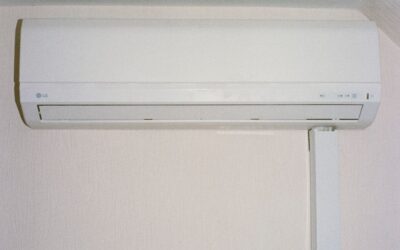
- Wall-mounted heads: The most common and least expensive, mounted high on a wall.
- Ceiling cassettes: Recessed into the ceiling for a cleaner look, ideal for larger rooms.
- Floor-mounted (floor-standing) units: Good where wall space is limited or under low windows.
- Short-run ducted (concealed) air handlers: Hidden in a ceiling to serve a couple of small rooms discreetly.
A single three-zone condenser can often mix these head types across its zones.
Sizing: Getting the BTUs Right
Sizing is where three-zone systems most often go wrong. Each head is rated in BTUs (commonly 6,000, 9,000, 12,000, 18,000 BTU), and the outdoor unit has a total capacity that must comfortably cover the sum of the zones. A rough guide is 20 to 30 BTUs per square foot, but climate, insulation, ceiling height, sun exposure, and window area all matter, so a proper Manual J load calculation by an installer is worth doing. Oversizing is a real problem: an oversized head short-cycles, fails to dehumidify, and wastes money, so bigger is not better. Match each head to its room, not to the largest number available.
What a 3 Zone Mini Split Costs
Costs vary with brand, head types, and install complexity:
- Equipment only: $3,000 to $6,000 for a three-zone system.
- Installed by a pro: $7,000 to $14,000 total, depending on line-set lengths, head styles, and electrical work.
- DIY-friendly kits (like some MRCOOL DIY models with pre-charged line sets) can lower cost to the $4,000 to $6,000 range, though multi-zone DIY is more involved than single-zone.
Federal and state energy incentives, including tax credits and utility rebates for high-efficiency heat pumps, can offset a meaningful share of the cost, so check current programs before buying.
Installation Overview
Professional installation involves mounting the outdoor condenser on a pad or wall brackets, mounting each indoor head, and running refrigerant lines, a condensate drain, and control wiring through a small (roughly 3-inch) hole in the wall for each zone. The installer pulls a vacuum on the lines, checks the refrigerant charge, and commissions each zone. A licensed HVAC pro and often an electrician are involved because the condenser needs a dedicated 208/240V circuit. Line-set covers on the exterior keep the look tidy. Expect one to two days for a three-zone install.
Pros and Cons
Pros:
- Independent temperature control in three areas.
- High efficiency with no duct losses; inverter compressors sip energy.
- Heats and cools with one system, often replacing a furnace and AC.
- Quiet operation and good dehumidification.
- No ductwork to install or clean.
Cons:
- Higher upfront cost than window units or a single-zone system.
- Indoor heads are visible on walls, which some find unattractive.
- Multi-zone systems can lose some efficiency versus separate single-zone units if oversized.
- Requires professional sizing to avoid short-cycling.
Top Brands to Consider
Mitsubishi Electric and Fujitsu lead for cold-climate reliability and efficiency. Daikin offers a broad, well-priced lineup. LG and Gree are solid mid-tier choices. MRCOOL is popular with DIYers for its pre-charged line sets. Look for a high SEER2 (cooling) and HSPF2 (heating) rating and a strong compressor warranty, typically 5 to 12 years.
Common Mistakes to Avoid
- Oversizing heads, causing short-cycling and poor humidity control.
- Skipping a load calculation and guessing at BTUs.
- Choosing the cheapest installer over a certified one; a bad vacuum or charge ruins efficiency.
- Forgetting to plan condensate drainage, leading to leaks.
- Ignoring available rebates that could cut thousands off the price.
Efficiency Ratings and What They Mean
When comparing systems, three ratings matter. SEER2 measures cooling efficiency over a season; higher is better, and quality mini splits reach 18 to 22 or more, far above older central AC. HSPF2 measures heating efficiency; look for high numbers if you will heat with the system. ENERGY STAR certification confirms the unit meets federal efficiency thresholds and often qualifies it for rebates and tax credits. A higher-efficiency system costs more upfront but uses less electricity every month, and in a climate where the system runs much of the year, the payback can be quick. Do not chase the absolute highest rating blindly, though; balance efficiency against upfront cost and confirm the model is rated for your winter temperatures.
Maintenance and Longevity
Mini splits are low-maintenance but not maintenance-free. The most important homeowner task is cleaning the washable filters in each indoor head every few weeks to a month; clogged filters slash airflow and efficiency. Periodically wipe the head’s exterior and check the condensate drain for clogs that cause leaks. Once a year, have an HVAC tech clean the coils, check the refrigerant charge, and inspect the outdoor unit, especially clearing leaves and snow from around it. Keep the outdoor condenser elevated and clear so winter snow does not bury it. Well-maintained mini splits commonly last 15 to 20 years, rivaling or exceeding central systems, and the inverter compressors run reliably when kept clean.
Single-Zone Systems Versus Multi-Zone
A three-zone system is not always the best answer; sometimes separate single-zone units are better. Multi-zone systems share one outdoor compressor, so if that compressor fails, all three zones go down, and multi-zone units can lose efficiency at partial load because the compressor must run for even one small zone. Separate single-zone systems cost more in outdoor units and take more wall space outside, but each operates at peak efficiency independently and a failure only affects one room. For three rooms close together, a multi-zone system is tidy and cost-effective; for rooms far apart or with very different loads, several single-zone units may perform better. Discuss the trade-off with your installer based on your layout.
A 3 zone mini split delivers ductless comfort and independent control to three spaces with impressive efficiency, making it ideal for additions, ductless homes, and rooms that never felt balanced. Size each zone carefully, hire a certified installer, and take advantage of heat-pump incentives, and you will get quiet, room-by-room heating and cooling that pays you back in comfort and energy savings for years.