Ductwork is expensive, leaky, and impossible to add cleanly to many older homes, which is why ductless cooling has exploded in popularity. A mini split aircon mounts a slim indoor unit on the wall, links it to an outdoor compressor through a small refrigerant line, and delivers quiet, efficient cooling (and usually heating) to any room without a single duct. For additions, garages, sunrooms, and whole homes alike, it is often the smartest climate-control choice available. This guide explains how these systems work, how to size one, what efficiency numbers mean, and what installation involves.
How a Mini Split Aircon Works
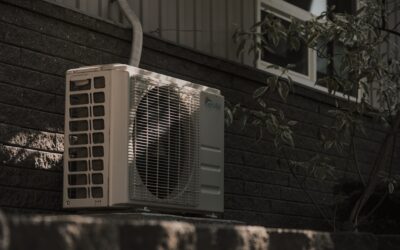
Every ductless system has two main parts: an outdoor condenser and one or more indoor air-handling units, called heads. A thin conduit carrying refrigerant lines, a power cable, and a condensate drain runs between them through a 3-inch hole in the wall, which is why no ductwork is needed.
The indoor head pulls in room air, passes it over a cold refrigerant coil to remove heat and humidity, and blows the cooled air back out. The captured heat is pumped outside and released by the condenser. Reverse the cycle in winter and the same system pulls heat from outdoor air into the house, which is why most mini splits are technically heat pumps that both cool and heat.
Single-Zone vs Multi-Zone Systems
How many rooms you want to condition drives the system type. Each approach has clear strengths.
Single-Zone
One outdoor unit paired with one indoor head cools a single room or open space. This is the go-to for a garage conversion, a hot bedroom, a home office, or an addition. It is the simplest and cheapest to install.
Multi-Zone
One larger outdoor condenser connects to two, three, four, or more indoor heads, each with its own thermostat and remote. This lets you set different temperatures in different rooms, cooling the bedroom to 68°F while keeping the living room at 74°F, and it conditions a whole house without ducts.
Sizing by BTU
Correct sizing is the difference between a system that runs efficiently and one that short-cycles or never keeps up. Cooling capacity is measured in BTUs, and bigger is not always better.
- 150 to 250 sq ft: 6,000 to 9,000 BTU.
- 250 to 400 sq ft: 9,000 to 12,000 BTU.
- 400 to 650 sq ft: 12,000 to 18,000 BTU.
- 650 to 1,000 sq ft: 18,000 to 24,000 BTU.
These are starting points. Sun exposure, ceiling height, insulation quality, and climate all shift the number. A room with big west-facing windows or vaulted ceilings needs more capacity, while a well-insulated shaded room needs less. Oversizing causes the unit to cool quickly then shut off before removing humidity, leaving the room cold and clammy, so a proper load calculation beats guessing.
Understanding Efficiency Ratings
Efficiency directly determines your electric bill, and mini splits lead the industry here. Two numbers matter: SEER2 for cooling and HSPF2 for heating. Higher is better on both.
A basic mini split aircon might carry a 16 SEER2 rating, while premium models reach 22 to 33 SEER2. That difference translates to real money over a hot summer. Because ductless systems avoid the 20 to 30 percent energy loss that leaky ducts cause in central systems, even a mid-tier mini split often runs cheaper than an older central AC. Inverter compressors, standard on quality units, ramp the motor up and down smoothly instead of cycling fully on and off, which saves energy and keeps temperatures rock-steady.
Installation Overview
Professional installation is the norm because the refrigerant work is regulated, but understanding the process helps you evaluate quotes. A typical single-zone install takes a two-person crew most of a day.
- Mount the indoor head high on an exterior-facing wall with a clear air path into the room.
- Drill a 3-inch pass-through and run the refrigerant lines, drain, and power cable to the outside.
- Set the outdoor condenser on a pad or wall bracket, keeping it clear of obstructions.
- Connect and pressure-test the refrigerant lines, then pull a vacuum to remove all moisture and air.
- Wire the 240-volt or 120-volt supply through a disconnect, and commission the system.
Pre-charged DIY kits exist for handy owners, but professional installs preserve warranties and ensure the refrigerant charge is correct, which is critical to efficiency and longevity.
Cost and Operating Expenses
Ductless systems cost more upfront than a window unit but far less than adding central air with ducts. Budget with these ranges in mind.
- Single-zone installed: $3,000 to $5,000.
- Multi-zone installed: $5,500 to $15,000 depending on zone count.
- Operating cost: roughly $30 to $75 per month per zone in moderate use.
Federal tax credits and utility rebates for high-efficiency heat pumps can trim 30 percent or more off the price, so check ENERGY STAR and your utility before buying. Because a mini split aircon handles both heating and cooling, it can replace two separate systems, improving the value further.
Maintenance to Keep It Running
Ductless systems ask little, but a few habits keep efficiency high and extend their 15 to 20-year lifespan. Clean or rinse the indoor head’s washable filters every month during heavy use; clogged filters choke airflow and spike energy use. Keep the outdoor condenser clear of leaves, grass clippings, and snow so it can breathe.
Once a year, have a technician check the refrigerant charge, clean the coils, and clear the condensate drain, which can clog with algae and cause leaks. Do that, and a mini split aircon delivers quiet, efficient, room-by-room comfort for two decades, all without tearing your walls open for ductwork.
Indoor Unit Styles Beyond the Wall Mount
Most people picture the classic wall-mounted head, but ductless indoor units come in several styles to suit different rooms. Wall-mounted units are the cheapest and most common, ideal for bedrooms and living spaces. Ceiling cassettes recess into a dropped ceiling and blow air in four directions, giving a clean, nearly invisible look popular in offices and open kitchens.
Floor-mounted units sit low on the wall like a radiator, which suits rooms with lots of glass or low walls where nothing can hang high, and they make heating more comfortable since warm air starts at floor level. Slim ducted or concealed-duct units tuck into a ceiling or closet and connect to short duct runs feeding a couple of small rooms through discreet grilles, blending the ductless efficiency with the hidden look of central air. Matching the head style to each room, rather than defaulting to wall mounts everywhere, produces a cleaner and more comfortable result.
Cold-Climate Performance and Heating
An old knock on heat pumps was that they quit working in the cold, but modern cold-climate mini splits have rewritten that story. Hyper-heat and cold-climate models from leading brands maintain strong heating output down to 5°F and keep running, at reduced capacity, well below zero. That makes a mini split aircon a legitimate primary heat source even in northern states, not just a summer cooler.
The efficiency advantage is dramatic. Because the system moves heat rather than burning fuel or using resistance elements, it delivers roughly three units of heat for every unit of electricity, far cheaper than baseboard heat or an electric furnace and often competitive with gas. In the coldest snaps, some homeowners keep a small backup heat source, but for most of the heating season the mini split handles the load efficiently. When you factor in that a single system heats in winter and cools in summer, replacing two separate appliances, the year-round value of a ductless heat pump becomes hard to beat.