A 3×4 rug is one of the most useful small rugs you can own, even though it rarely gets the spotlight that big area rugs do. At roughly 36 by 48 inches, it is large enough to define a small zone yet compact enough to fit entryways, kitchen sinks, and bedside spots where a full area rug would overwhelm. Knowing exactly where a 3×4 shines, and where it falls short, helps you spend smart on a piece that does real work in the room.
Understanding the 3×4 Size
A 3×4 rug measures about 3 feet by 4 feet, or 36 by 48 inches, though some makers sell it as 2.5×4 or 3×5 in the same accent category. It is squarely an accent rug, not an area rug. That means it is meant to mark a single function or add a spot of color and texture rather than anchor an entire furniture grouping. Picture the rug you stand on at the kitchen sink or step onto when you get out of bed, and you have the 3×4 in mind.
Best Places to Use a 3×4 Rug
This size fits a surprising number of spots around the home. Its small footprint makes it easy to layer, swap seasonally, and clean.
- Entryway: a durable 3×4 just inside the door catches dirt and gives guests a clear landing spot.
- Kitchen: placed at the sink or stove, it cushions your feet during long prep sessions.
- Bedside: one on each side of the bed adds a soft landing without committing to a large under-bed rug.
- Bathroom: a washable 3×4 works as a generous bath mat outside the tub or vanity.
- Reading nook or accent spot: anchors a single chair or a small corner.
- Layering: set over a larger jute or neutral rug to add pattern and depth.
Materials to Consider
Because a 3×4 rug often lands in high-use spots like kitchens and entries, durability and cleanability matter more than plush luxury. Washable polyester or cotton rugs are ideal for kitchens and baths since you can toss them in the laundry. Polypropylene handles entryway grit and moisture well and resists fading. Wool offers the best feel and longevity for a bedside or accent rug, while jute and sisal bring natural texture for layering, though they are scratchy underfoot and harder to clean.
What a 3×4 Rug Costs
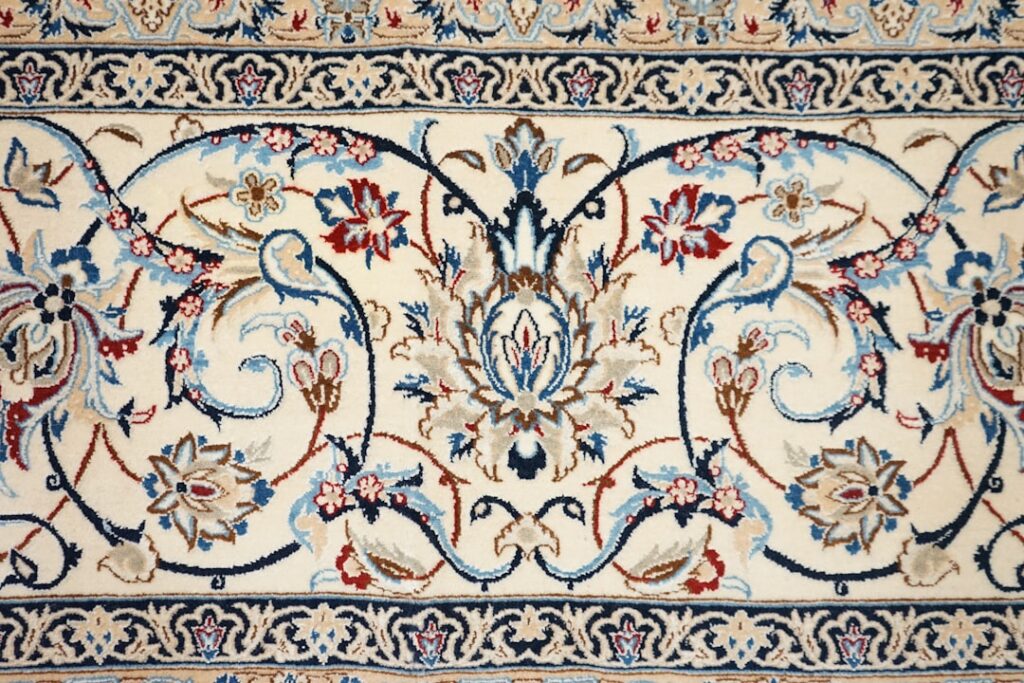
Small accent rugs are affordable, which is part of their appeal. A basic washable or polypropylene 3×4 often runs $20 to $60. Mid-range patterned or tufted options land around $50 to $120. Hand-knotted wool or genuine vintage and Persian-style 3×4 rugs can climb to $150 to $400 or more, since smaller authentic pieces still take real craftsmanship. Because the size is low-commitment, it is a low-risk way to try a bold color or pattern you would hesitate to buy at area-rug scale.
Placement and Styling Tips
Scale is everything with a small rug. Center it on the function it serves, such as squarely in front of the sink or aligned with the bed, rather than floating it randomly in open floor where it can look lost. In an entryway, leave a few inches of clearance under the door swing. When layering, let the 3×4 sit at an interesting angle or off-center on a larger rug to feel intentional rather than accidental.
Use a 3×4 to introduce a color that ties the room together. A patterned accent rug picking up your cabinet hardware, wall art, or throw pillows pulls a space together more cheaply than repainting or reupholstering.
Keeping a Small Rug From Sliding
Small rugs slide and curl more than big ones because there is little weight holding them down, and a sliding kitchen or entry rug is a genuine trip hazard. Always use a non-slip rug pad cut to size, or buy a rug with a rubberized backing. For washable rugs, a thin gripper pad that can also go in the wash keeps things simple. On hard floors especially, the pad is not optional; it is what makes a small accent rug safe to use.
3×4 vs. Other Small Sizes
It helps to know how a 3×4 stacks up against nearby accent sizes so you buy the right one. A 2×3 rug is a true doormat or single-step accent, too small for a kitchen work zone. A 3×5 gives you a bit more coverage and suits a larger entry or a small reading area. A runner (around 2.5×8) is the choice for long galley kitchens and hallways. The 3×4 sits comfortably in the middle: bigger than a doormat, more substantial than a 2×3, yet still compact enough to layer and launder. If you find yourself between sizes, consider the exact spot it will serve and measure the floor area before ordering.
Color and Pattern Choices
Because a 3×4 is small and inexpensive, it is the ideal place to experiment with color and pattern you would not risk on a large rug. A bold geometric, a vivid floral, or a rich jewel tone makes a strong statement in a tiny footprint and is easy to swap when your taste changes. In busy spots like kitchens and entries, patterned rugs and darker colors hide everyday soil far better than solid light tones, which means fewer washes and a fresher look between cleanings. For a calm, cohesive room, pick a 3×4 that echoes an accent color already present in your cabinets, tile, or textiles.
Care and Longevity
The maintenance payoff of a 3×4 rug is real: it is small enough to shake out, vacuum quickly, or wash in a standard machine if the label allows. Rotate it periodically so foot traffic wears it evenly, blot spills immediately, and let washable rugs dry fully before returning them to the floor. With its low cost, easy care, and big visual impact for the footprint, a 3×4 rug is one of the easiest decorating wins in any home.
One last tip: buy two or three matching 3×4 rugs when you find a style you love, especially for kitchens and entries that go through rugs quickly. Having a backup means you can swap a fresh rug in while one is being washed, and you will not be stuck searching for a discontinued pattern when the original finally wears out. Because the size is inexpensive, stocking a spare is a small investment that keeps your high-traffic spots looking clean and coordinated year-round.