
If your home has oversized gutters, standard covers will not fit, and that is where 6 inch gutter guards come in. Six-inch gutters move far more water than the common five-inch size, making them ideal for large roofs and heavy-rain regions, but their wider trough also catches more leaves and debris. The right guards keep them flowing freely so you can stop climbing a ladder to scoop out muck. This guide explains why six-inch systems are different, the guard types available, what they cost, and how to choose and install them.
Part of our Roofing guide — explore the full guide →
- Why Six-Inch Gutters Are Different
- Measuring to Confirm You Need Six-Inch Guards
- Types of 6 Inch Gutter Guards
- Which Type Is Best for a Six-Inch System
- What 6 Inch Gutter Guards Cost
- Benefits Beyond Skipping the Ladder
- Installing 6 Inch Gutter Guards
- Common Mistakes to Avoid
- Matching Guards to Your Trees and Climate
- Do Gutter Guards Eliminate Maintenance Entirely?
- Making the Right Choice for Your Home
- Do You Need 6 Inch Gutters? Sizing by Roof Area, Pitch, and Rainfall
Why Six-Inch Gutters Are Different
Most homes use five-inch K-style gutters, but larger homes, steep roofs, and areas with intense rainfall often use six-inch gutters paired with larger three-by-four-inch downspouts. A six-inch gutter carries roughly 40 percent more water than a five-inch one, which is exactly why you want it on a big roof. But that extra width means standard five-inch guards will not span the opening. You need guards specifically sized for six-inch gutters, and you must confirm the measurement before buying, since a mismatched guard will not seat correctly.
Measuring to Confirm You Need Six-Inch Guards
Before ordering, measure the top opening of your gutter from the front lip to the back edge where it meets the fascia. Five-inch gutters measure about 5 inches across the top; six-inch gutters measure about 6 to 6.5 inches. Also check the gutter profile, K-style versus half-round, since guards differ by shape. Getting these measurements right avoids the frustration of guards that overhang, sag, or fail to clip in.
Types of 6 Inch Gutter Guards
Six-inch guards come in the same major categories as standard sizes, each with trade-offs in cost, effectiveness, and durability.
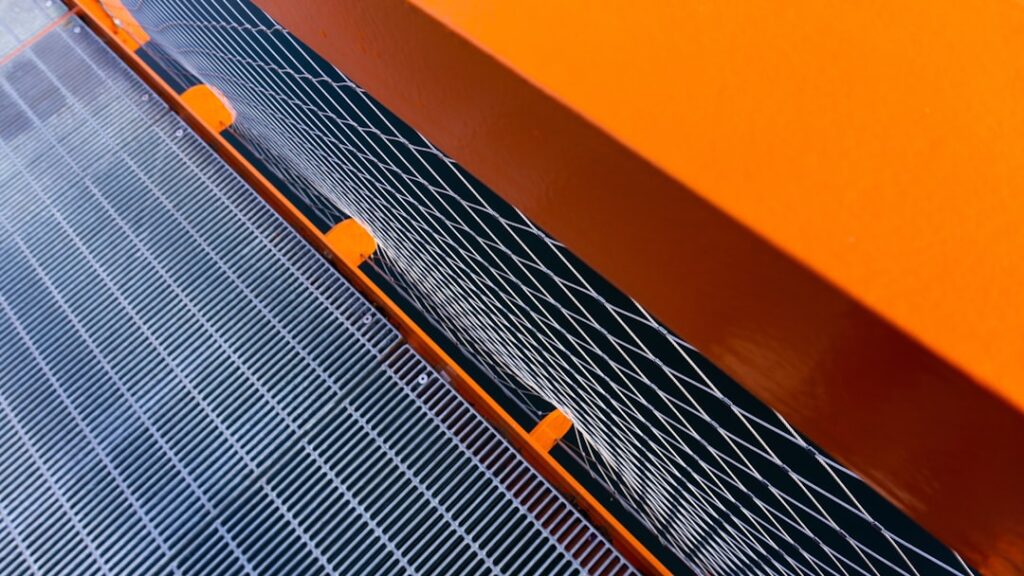
- Micro-mesh: A fine stainless steel mesh on a metal frame that blocks even tiny debris and pine needles while letting water through. The best-performing and most expensive type.
- Perforated metal (screen): Aluminum or steel panels with small holes; effective against leaves, more affordable, but fine debris can pass or clog.
- Reverse-curve (surface tension): Solid covers that guide water around a curved lip while leaves fall off. Effective but pricier and can struggle in torrential rain.
- Foam inserts: Wedges of porous foam that sit inside the gutter. Cheap and DIY-friendly but degrade over a few years and can hold seeds.
- Brush guards: Cylindrical bristle inserts that block large debris; inexpensive but let fine material through.
Which Type Is Best for a Six-Inch System
Because six-inch gutters are typically on large roofs handling high water volume, the guard must let a lot of water through fast while keeping debris out. Micro-mesh guards on a sturdy frame are the top choice for most homeowners: they handle heavy flow, block fine debris and pine needles, and last for decades. If budget is tight and you mostly deal with large leaves rather than needles, perforated aluminum screens are a solid value. Avoid foam and brush inserts for six-inch gutters on big roofs, since they struggle with volume and break down over time.
What 6 Inch Gutter Guards Cost
Pricing varies widely by material and whether you install them yourself or hire a pro.
- Foam and brush inserts: $2 to $5 per linear foot, DIY.
- Perforated metal screens: $3 to $8 per linear foot, DIY.
- DIY micro-mesh: $5 to $12 per linear foot.
- Professionally installed micro-mesh or reverse-curve: $12 to $30+ per linear foot installed.
A typical home has 150 to 200 linear feet of gutter. DIY guards run $450 to $2,400 in materials, while professional installation of premium systems can reach $3,000 to $6,000 or more. The payoff is far less ladder time and reduced risk of clogs, overflow, and water damage.
Benefits Beyond Skipping the Ladder
Gutter guards do more than save you from cleaning. On a six-inch system protecting a large roof, keeping gutters clear prevents overflow that can damage fascia, soffits, siding, and foundations. Free-flowing gutters reduce standing water that breeds mosquitoes and prevents ice dams in cold climates. Guards also reduce rust and corrosion by keeping wet debris from sitting in the trough. For homes surrounded by trees, the reduction in maintenance alone often justifies the cost.
Installing 6 Inch Gutter Guards
Many six-inch guards are DIY-friendly, though working at height on a large home warrants caution or a professional.
- Clean the gutters first. Remove all debris and flush with a hose so the guards go over clean troughs.
- Confirm the fit. Verify guards are sized for six-inch gutters and match your K-style or half-round profile.
- Cut to length. Trim panels with tin snips to fit runs, corners, and around downspout openings.
- Attach securely. Depending on type, guards snap under the shingles and clip to the front lip, screw to the gutter, or drop in. Avoid lifting shingles in a way that voids a roof warranty.
- Overlap and seal seams. Overlap panels slightly and ensure no gaps where debris can enter.
Common Mistakes to Avoid
- Buying five-inch guards by mistake. Always confirm your gutter is truly six inches before ordering.
- Skipping the pre-cleaning. Installing guards over debris traps it and causes clogs beneath the cover.
- Choosing foam for a big roof. Foam cannot handle the high water volume of a six-inch system and degrades fast.
- Sliding guards too far under shingles. This can lift shingles and void roof warranties; follow manufacturer guidance.
- Ignoring downspout capacity. Guards help, but undersized or clogged downspouts still cause overflow.
Matching Guards to Your Trees and Climate
The debris around your home should drive your guard choice as much as the gutter size. Different guards excel against different kinds of debris, so look up at what falls on your roof before deciding.
- Pine needles and small seeds: Only fine micro-mesh reliably blocks these; screens and perforated metal let needles slip through.
- Broad leaves (oak, maple): Perforated metal screens and even reverse-curve guards handle large leaves well.
- Shingle grit and roof debris: Micro-mesh keeps the fine granules that wash off asphalt shingles from silting up the gutter.
- Heavy rainfall regions: Prioritize high-flow guards, since a fine mesh over a big roof must still pass large volumes fast.
In a pine-heavy yard, micro-mesh is essentially the only choice that works, which pairs naturally with the high-capacity six-inch gutters that big, tree-shaded roofs tend to have. In a yard with only a few broadleaf trees and heavy downpours, a quality perforated aluminum screen may be all you need at a fraction of the cost.
Do Gutter Guards Eliminate Maintenance Entirely?
It is important to set realistic expectations: gutter guards greatly reduce maintenance, but no guard is truly maintenance-free. Even the best micro-mesh accumulates a film of fine debris, pollen, and shingle grit on its surface over time, and leaves can pile on top and dry there. This surface debris needs an occasional brush-off or rinse to keep water flowing into the mesh rather than sheeting over it.
The difference is dramatic, though. Instead of scooping wet, rotting muck out of the trough from a ladder several times a year, you might sweep or hose off the top of the guards once a year, a faster and safer task. Downspouts should still be checked periodically to confirm they are clear, since guards protect the gutters but a clog can still form where water concentrates. Think of guards as slashing your gutter maintenance by roughly eighty to ninety percent rather than ending it completely, which for most homeowners is a very worthwhile trade.
Making the Right Choice for Your Home
For most homeowners with six-inch gutters, professionally sized micro-mesh guards deliver the best combination of high flow capacity, fine debris protection, and longevity, which matters most on the large roofs these gutters serve. Budget-minded homeowners with mostly broadleaf trees can get good results from DIY perforated aluminum screens. Whatever you choose, confirm the six-inch sizing, clean the gutters before installing, and make sure your downspouts can handle the flow.
Done right, 6 inch gutter guards turn a regular, dangerous chore into a rare one, protect your home from water damage, and keep your oversized gutters doing exactly what you installed them for, moving big volumes of water safely away from your house through every storm.
Do You Need 6 Inch Gutters? Sizing by Roof Area, Pitch, and Rainfall
Before investing in guards, it helps to confirm that 6 inch gutters are the right size for the house in the first place. Some homes have six-inch troughs they genuinely need, while others would be perfectly served by five-inch gutters with better downspouts. Sizing comes down to three factors: how much roof drains into each run, how steep that roof is, and how hard it rains where you live.
The Three Factors That Decide Gutter Size
- Drainage area. Measure each roof plane that drains into a given gutter run, using the length and the horizontal depth of that plane. Large, uninterrupted planes send far more water to a single gutter than a roof broken up by hips and dormers.
- Roof pitch. Steeper roofs catch more wind-driven rain and shed it faster, so sizing charts apply a pitch factor that increases the effective area. A modest ranch roof and a steep two-story gable with the same footprint can need different gutters.
- Rainfall intensity. What matters is the peak rate of your region’s heaviest storms, not annual rainfall. Areas prone to intense summer downpours often justify six-inch gutters on roofs that would get by with five-inch gutters elsewhere.
Installers combine these three numbers in sizing tables. If the adjusted area for a run exceeds what a five-inch K-style gutter handles at your local rainfall intensity, six-inch is the safer choice. Valleys deserve special attention, because two roof planes pour water into one short stretch of gutter and that stretch often overflows first.
Downspouts Matter as Much as the Trough
A wide gutter can only drain as fast as its outlets. Six-inch gutters are usually paired with 3-by-4-inch downspouts, which carry noticeably more water than the 2-by-3-inch size common on smaller systems. Long runs may need a downspout at each end, or an additional one in the middle, so water does not have to travel the full length of the gutter to escape. Adding a downspout is often a cheaper fix for chronic overflow than upsizing the entire system.
Signs that your current gutters are undersized include water sheeting over the front lip during heavy rain even when the trough is clean, erosion lines in the mulch under the eaves, and splashback staining on siding. If you see those signs on clean gutters, upsizing or adding outlets solves the problem. Guards alone will not fix it.


