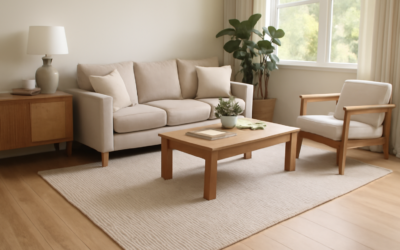
A 6×8 outdoor rug is one of the most useful sizes in outdoor decorating, big enough to define a seating area or balcony but compact enough that it won’t swallow a small patio or cost a fortune. Outdoor rugs have exploded in popularity because they instantly turn a bare concrete slab or plain deck into a room-like space, adding color, softness, and a sense of intention to the outdoors. But an outdoor rug lives a harder life than any rug indoors, battling sun, rain, mud, and mildew, so choosing the right material and caring for it properly matters more than picking a pretty pattern. This guide covers where a 6×8 fits, which materials survive the elements, and how to make it last.
Part of our Windows & Doors guide — explore the full guide →
The 6-by-8-foot rectangle covers about 48 square feet, which is the sweet spot for a bistro set, a small conversation grouping of two chairs and a side table, or a covered balcony. It’s proportioned to feel generous under furniture without the bulk and expense of an 8×10 or 9×12, making it the go-to size for apartments, townhome patios, and cozy porch nooks.
Where a 6×8 Outdoor Rug Fits Best
Getting the placement right is about matching the rug to the space and the furniture it anchors. A 6×8 works beautifully in these settings:
- Small patios and balconies: Fills the floor without crowding, leaving walkway room around the edges.
- Bistro and cafe sets: A two-chair table sits comfortably centered with rug showing all around.
- Under a small sofa or loveseat: Front legs on the rug ties the grouping together.
- Covered porches and entryways: Defines the seating zone and softens hard flooring.
- Layering: Placed over a larger natural-fiber mat for a designed, textured look.
As with indoor rugs, the goal is for furniture to relate to the rug. On a dining set, aim for the rug to extend past the chairs when they’re pulled out; if a 6×8 is too tight for that, it’s better suited to a lounge grouping than a dining one.
Materials That Survive the Elements
The material is what separates an outdoor rug that lasts five seasons from one that fades and molds in a single summer. The main contenders:
- Polypropylene (olefin): The most common and practical outdoor rug material. It’s UV-stabilized to resist fading, sheds water, dries fast, and cleans with a hose. Affordable and widely available.
- Polyester (PET): Often made from recycled bottles, soft underfoot, and colorfast, though slightly less durable than polypropylene.
- Recycled plastic (traditional flat-weave): Reversible, durable, and easy to shake out or hose down, popular for its bold graphic patterns.
- Natural fibers (jute, sisal): Beautiful but a poor outdoor choice unless fully covered and dry; they absorb moisture and rot.
For a true open-air patio exposed to rain and sun, choose a UV-stabilized polypropylene or recycled-plastic flat weave. Save softer polyester and any natural fiber for fully covered porches where they stay dry.
What to Look For When Buying
Beyond material, a few features distinguish a quality outdoor rug. Look for explicit UV-resistance or fade-resistant labeling if the rug gets direct sun, since unstabilized dyes wash out within a season. Check that the weave is designed to drain and dry, mold and mildew grow in rugs that stay wet, so a breathable flat weave outperforms a dense plush pile outdoors. Bound or serged edges hold up better than raw cut edges against wind and weather. Finally, confirm the rug is reversible if you want to flip it to extend its life and even out fading.
The Case for an Outdoor Rug Pad
An outdoor rug pad does more than keep the rug from sliding. Choose a pad specifically rated for outdoor use, made from breathable, mildew-resistant materials that let air and water pass through rather than trapping moisture against your deck or the rug backing. A good pad prevents the rug from blowing around on windy days, protects the surface underneath, and lets the rug dry faster after rain. On slick composite decking or smooth concrete, it also adds real slip safety.
Cleaning and Care
The beauty of a synthetic 6×8 outdoor rug is how easy it is to maintain. Shake it out or sweep off loose debris regularly, and hose it down when it gets muddy. For deeper cleaning, scrub with mild soap and water and rinse thoroughly, then hang or prop the rug up so both sides dry completely before laying it back down, this is the single best defense against mildew. Address spills promptly, and avoid harsh solvents that can strip UV coatings.
When bad weather or the off-season arrives, roll the rug loosely and store it dry in a garage or shed rather than leaving it to sit in standing water or snow. A little seasonal care easily doubles a rug’s usable life. With the right material, a breathable pad, and simple upkeep, a 6×8 outdoor rug delivers years of color and comfort that make your patio feel like a genuine outdoor room.
Choosing a Color and Pattern That Lasts
Color choice outdoors is a slightly different calculation than indoors, because sunlight and dirt both work against you. Deep, saturated colors and busy patterns hide the pollen, dust, and foot traffic that an outdoor rug inevitably collects, so a patterned blue-and-white flat weave or a multicolor tribal design stays looking presentable far longer than a solid cream or pale gray that shows every leaf and muddy paw print. If you love a light look, plan on hosing the rug down more often to keep it fresh. Bolder patterns also help a small 6×8 rug hold its own against the visual competition of plants, railings, and the yard beyond, giving the space a defined, intentional feel.
Coordinate the rug with your outdoor cushions and planters the same way you would tie together an indoor room, but give yourself permission to go brighter outside than you would in a living room; strong color reads as cheerful and inviting in natural light. A rug that looks almost too bold indoors often looks just right on a sun-washed patio.
Matching the Rug to Your Space and Climate
Your local climate should steer the material and construction as much as the style does. In hot, sunny regions, prioritize UV stabilization above all, since relentless sun fades a non-treated rug within a single season. In rainy or humid climates, a thin, quick-drying flat weave beats a plush pile that stays soggy and breeds mildew. In windy locations such as rooftop decks and exposed balconies, a heavier rug plus a gripping outdoor pad keeps the whole thing from lifting and flapping. Thinking through how your particular patio actually gets used, whether it bakes in afternoon sun, sits under a leaky pergola, or catches gusts off the water, will point you to the 6×8 outdoor rug that survives your conditions instead of fighting them, and that practical match is what turns a seasonal purchase into a rug that returns year after year.