Most people picture a dull gray slab when they think of plain concrete, but acid washed concrete can look like weathered stone, with soft mottling and exposed sand that catches the light. Acid washing means applying a diluted acid, usually muriatic (hydrochloric) acid, to dissolve the thin cement film on top of a slab. That film, called laitance, is smooth, weak and slick, and it keeps sealers, paints and coatings from bonding well.
Homeowners use the process for two very different reasons. The first is preparation: etching opens the pores of a troweled garage floor or basement slab so a sealer or epoxy can grip it. The second is appearance: a heavier wash creates an uneven, aged texture that some people prefer to a uniform finish. In both cases the acid must be neutralized and rinsed completely, and the chemistry deserves real respect. Done carefully, an acid wash on a concrete floor is a one-day job for a typical two-car garage, with another day or two of drying before any coating goes down.
- What Acid Washed Concrete Is and When It Makes Sense
- Tools and Materials You Will Need
- Safety First: Working With Muriatic Acid
- How to Acid Wash a Concrete Floor Step by Step
- Safer Alternatives to Acid Etching
- Troubleshooting Common Problems
- Sealing and Maintaining the Finished Surface
- Cost Ranges and When to Hire a Pro
- Frequently Asked Questions
It helps to separate this from two related projects. Acid staining uses metallic salts that react with the lime in concrete to create permanent color, which is a coloring technique rather than a cleaning one. Routine cleaning, meanwhile, uses mild detergents and never needs acid at all. Acid washing sits in between: it changes the surface profile, not the color chemistry.
What Acid Washed Concrete Is and When It Makes Sense
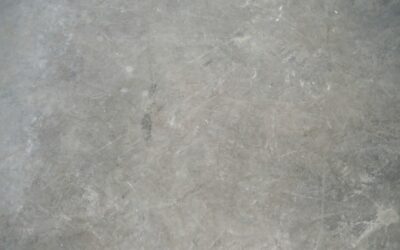
An acid washed concrete surface has had its top skin chemically removed. You can recognize a properly etched slab because it feels like fine sandpaper, roughly the grit of 120 to 150 paper, rather than glassy. Water dropped on it soaks in within a minute instead of beading up.
Acid washing makes sense in a handful of situations:
- Before sealing or coating a smooth, hard-troweled slab that has never been treated, such as a new garage or basement floor.
- Removing efflorescence, the white mineral bloom that appears when moisture carries salts to the surface.
- Cleaning grout haze or mortar smears on masonry and pavers after installation.
- Creating a distressed acid wash concrete finish on patios, interior slabs or retail-style floors where a rustic look is the goal.
It does not make sense on slabs that already have a sealer, paint or epoxy, because acid cannot penetrate a film coating. It also does little against oil stains, which need a degreaser first. Very new concrete, less than about 28 days old, should cure fully before any etching.
Tools and Materials You Will Need
Gather everything before you open the acid. Once the solution hits the slab, you have only a few minutes before it needs to be scrubbed and neutralized, so there is no time to hunt for a hose nozzle.
- A concrete etching solution, either muriatic acid or a premixed etching product (gel or liquid)
- Plastic watering can or acid-resistant pump sprayer (never metal)
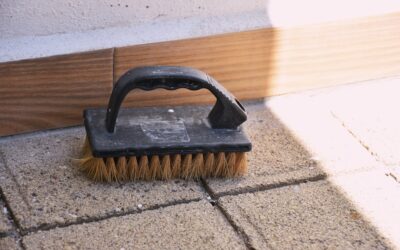
- Stiff synthetic-bristle push broom and a long-handled scrub brush
- Neutralizer: baking soda, household ammonia diluted in water, or a commercial alkaline neutralizer
- Garden hose with a spray nozzle, or a pressure washer at moderate pressure
- Wet/dry shop vacuum or floor squeegee
- pH test strips
- Chemical-resistant gloves, splash goggles, rubber boots and long sleeves
- A respirator with acid gas cartridges, as specified on the product label
- Plastic sheeting and painter’s tape to protect walls, doors and plants
Expect to spend roughly $60 to $150 on supplies for a 400 to 500 sq ft garage if you already own a hose and broom. Premixed etchers cost more per square foot than bulk muriatic acid, but they are easier to measure and often produce fewer fumes.
Safety First: Working With Muriatic Acid
Muriatic acid is corrosive to skin, eyes, lungs and metal. Read the full label before you start, and follow its dilution and protective equipment instructions exactly. A few rules matter more than any others:
- Always add acid to water, never water to acid. Pouring water into concentrated acid can cause violent splashing.
- Never mix chemicals. Acid combined with bleach or other cleaners can release toxic chlorine gas. Rinse buckets and sprayers between products.
- Ventilate thoroughly. Open every garage door and window and use fans to push fumes outdoors. Wear the respirator the label calls for, and leave the area if you feel any throat or eye irritation.
- Protect your skin and eyes with chemical-resistant gloves and sealed goggles, not ordinary safety glasses.
- Keep flammable vapors and pilot lights apart. Shut off gas water heaters or furnaces in an enclosed workspace, and never use solvent-based products nearby.
- Cover metal such as door tracks, water heater legs, outlets and car parts, because acid fumes will rust them.
- Keep children and pets well away until the floor is rinsed and dry.
If acid contacts your skin, flush it with large amounts of water for at least 15 minutes. For eye contact, flush and seek medical care immediately.
How to Acid Wash a Concrete Floor Step by Step
- Clean the slab. Sweep, then scrub off oil, grease and dirt with a concrete degreaser. Acid will not cut oil, and contaminated spots will etch unevenly.
- Test for existing sealer. Sprinkle water in several spots. If it beads and sits on top, a sealer is present and must be stripped or ground off first.
- Protect the surroundings. Tape plastic over walls, doors and drains you cannot route rinse water away from. Move plants or soak them with plain water so the acid dilutes on contact.
- Pre-wet the concrete. Hose the slab until it is uniformly damp with no standing puddles. A damp surface spreads the acid evenly and keeps it from soaking deep into dry spots.
- Mix the solution. For bulk muriatic acid, a common starting ratio is 1 part acid to 10 parts water for preparation work. Some dense slabs need 1 to 4. Follow the label, and pour acid into water slowly.
- Apply in small sections. Work in roughly 10 by 10 ft areas. Sprinkle the solution evenly. It should fizz and bubble, which means it is reacting with the cement paste.
- Scrub. Use the stiff broom to work the acid into the surface for 2 to 10 minutes, keeping it wet. Do not let it dry on the slab.
- Neutralize. When bubbling slows, spread the neutralizer, such as 1 cup of baking soda per gallon of water, and scrub again.
- Rinse thoroughly. Flush the area two or three times, pushing the slurry toward a collection point and removing it with the shop vacuum.
- Check pH. Wet the surface and test it with a strip. You want a reading between about 7 and 9. If it reads acidic, neutralize and rinse again.
- Let it dry. Allow 24 to 72 hours before sealing, depending on humidity and temperature.
Repeat the process on any area that still feels slick. Two light applications usually give a more even result than one strong one.
Getting the Distressed Look
For acid wash floors where the texture is the goal, use a slightly stronger mix and vary the dwell time from section to section. Some areas can be scrubbed longer, while others are rinsed sooner, to create soft tonal changes. A light sanding pass or a gentle pressure wash afterward exposes more fine aggregate. Seal with a penetrating or matte sealer to keep the weathered character without adding gloss. Test the approach first in a closet or a corner, since every slab reacts a little differently.
Safer Alternatives to Acid Etching
Acid washing is not the only way to profile a slab, and in many homes it is no longer the first choice. Coating manufacturers increasingly specify mechanical preparation, partly because acid residue left in the pores can cause bond failure.
- Diamond grinding. A rented floor grinder removes laitance and old coatings at once and gives the most consistent profile. It creates dust, so use a grinder with a HEPA vacuum attachment and wear an N95 or P100 respirator.
- Shot blasting. Common in commercial work, it is faster than grinding on large floors but usually needs a contractor.
- Citric or phosphoric etchers. These milder acids produce fewer fumes and are less corrosive, though they may need more scrubbing or a second coat.
- Gel etchers. Thicker products cling to vertical surfaces and reduce splashing and runoff.
For a garage that will get an epoxy coating, grinding is often worth the rental fee of about $100 to $250 per day. For a simple penetrating sealer on a patio, a mild etcher may be all you need.
Troubleshooting Common Problems
The Solution Did Not Fizz
Little or no bubbling usually means a sealer, curing compound or oily film is blocking the acid. Retest with water, then degrease or strip before trying again.
White Powder Appeared After Drying
Leftover salts from incomplete rinsing show up as a chalky residue. Scrub with clean water, rinse again and recheck pH before sealing.
Blotchy or Uneven Etching
Dry spots, puddles or uneven application cause patchy results. Pre-wet evenly, keep sections small and do a second, lighter pass over the weak areas.
Rust Stains on Nearby Metal
Fumes and splashes corrode bare steel quickly. Clean affected parts promptly and protect metal better on the next project.
The Surface Became Too Rough
An overly strong mix or long dwell time can expose too much sand. A sealer with a bit more build, or a light grind, can smooth it for indoor use.
Sealing and Maintaining the Finished Surface
Freshly etched concrete is porous and will absorb oil, water and stains readily, so seal it soon after it dries. Penetrating silane or siloxane sealers keep a natural look and work well outdoors. Acrylic sealers add a light sheen and deepen color. Epoxy and polyaspartic coatings suit garage floors that see hot tires and chemical drips.
Once sealed, maintenance is simple: sweep often, mop with a pH-neutral cleaner and recoat acrylic sealers every two to three years in high-traffic areas. Avoid repeated acid cleaning on a sealed slab; it will dull the finish without reaching the concrete.
Cost Ranges and When to Hire a Pro
DIY acid washing typically runs $0.15 to $0.40 per sq ft in materials. Professional etching and cleaning generally falls between about $1 and $3 per sq ft, and full decorative acid wash concrete finishes with sealing can cost $2 to $5 per sq ft or more, depending on the region and slab condition.
Consider calling a concrete coatings contractor if:
- The space has poor ventilation, such as an interior basement with few windows.
- The slab is large, cracked, spalled or shows signs of moisture problems.
- You plan a high-performance epoxy system with a warranty that requires mechanical prep.
- Rinse water cannot be contained and disposed of according to local rules.
- Anyone in the household has asthma or another respiratory condition.
A pro brings grinders, containment equipment and experience reading how a particular slab reacts, which matters most when the finished look is decorative.
Frequently Asked Questions
How long does acid washed concrete need to dry before sealing?
Plan on 24 to 72 hours. Cool, humid weather slows drying. Tape a square of plastic to the slab overnight; if moisture collects underneath, wait longer.
Does acid washing change the color of concrete?
It lightens the surface slightly and exposes sand, which can make the slab look more textured and varied. It does not add color the way a reactive stain does.
Can I acid wash an old garage floor with oil stains?
Yes, but degrease the stains first. Acid does not remove oil, and oily areas will resist etching and later cause coating failure.
Is vinegar strong enough to etch concrete?
Household vinegar can lightly clean concrete but rarely produces enough profile for a coating. Use a purpose-made etcher or mechanical grinding for real surface preparation.
How do I dispose of acid wash rinse water?
Neutralize it fully, confirm the pH with a test strip and check local rules. Many areas prohibit sending it into storm drains, so collect it with a shop vacuum when possible.