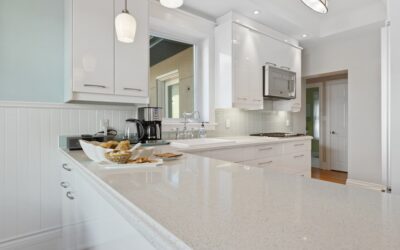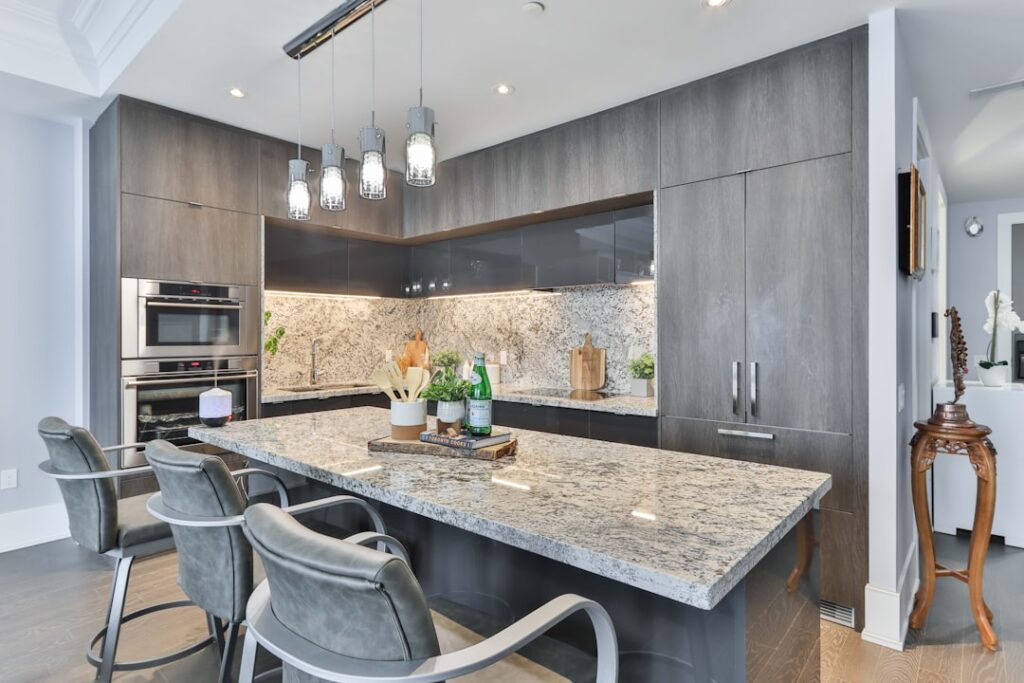
Alpine white granite is a light-toned natural stone prized for the bright, open feeling it brings to kitchens and bathrooms. If you want the durability of granite without the heavy, dark look that many older slabs carry, this variety sits comfortably in that middle ground. It pairs a predominantly creamy-white or pale gray background with scattered flecks and veining, giving you a surface that reads clean from across the room yet shows genuine natural character up close.
Part of our Countertops guide — explore the full guide →
Because it is a natural material, no two slabs look exactly alike. That variability is part of the appeal, but it also means you should understand what you are buying before you commit. This guide walks through the appearance, performance, cost, and care of alpine white granite so you can decide whether it belongs in your home.
What Does Alpine White Granite Look Like?
The defining trait is its brightness. The base color typically ranges from a soft milky white to a light gray, scattered with small specks in shades of gray, charcoal, taupe, and occasionally faint gold or burgundy depending on the particular block. Some slabs show subtle movement or veining, while others present a more uniform, granular speckle across the surface.
Granite is an igneous rock made of interlocking mineral crystals, mostly quartz, feldspar, and mica, so the flecking you see is those crystals catching the light. On a polished finish, the stone has a gentle sheen that amplifies natural and overhead lighting, which is why this stone works so well in smaller or north-facing kitchens that need a visual lift. Honed and leathered finishes are sometimes available too, trading the glossy shine for a softer matte or textured feel.
How Durable Is It?
Granite is one of the hardest countertop materials you can install. It resists scratches from knives and everyday utensils, tolerates the occasional hot pan far better than many engineered surfaces, and stands up to years of daily use without losing its finish. For a busy family kitchen, that resilience is a major reason homeowners choose natural stone over softer options.
That said, granite is not indestructible. It can chip at the edges if struck hard, and a heavy impact at a corner or around a sink cutout can crack the slab. Lighter-colored granites like this one are also slightly more porous than dense black stones, which makes proper sealing important to keep stains from setting in.
Sealing and Stain Resistance
Light granite naturally shows stains more readily than dark stone, simply because spills contrast against the pale background. Sealing creates a protective barrier that slows liquid absorption and gives you time to wipe up wine, oil, coffee, or citrus before it penetrates.
- Test before you seal: Drip a small amount of water on the surface. If it darkens within a few minutes, the stone needs sealing; if it beads, the existing sealer is still working.
- Frequency: Most light granites benefit from sealing once or twice a year, though high-use areas around the cooktop and sink may need it more often.
- Follow the product label: Use a sealer formulated for natural stone and follow the manufacturer’s instructions for application and cure time.
Even a well-sealed counter is not stain-proof, so wipe up acidic and oily spills promptly rather than letting them sit.
Where to Use Alpine White Granite
The versatility of this stone is one of its strongest selling points. Common applications include:
- Kitchen countertops and islands: The bright surface keeps a kitchen feeling spacious and works with nearly any cabinet color.
- Bathroom vanities: A natural fit for a clean, spa-like look that resists water and toiletries.
- Backsplashes: A full-height slab backsplash creates a seamless, low-grout-line look behind the range.
- Fireplace surrounds and accent surfaces: Its heat tolerance and neutral palette make it a durable decorative choice.
Design-wise, the neutral background is a chameleon. It complements white shaker cabinets for a crisp farmhouse feel, warms up nicely against natural wood tones, and provides contrast against deep navy or charcoal cabinetry. Brushed nickel, matte black, and brass hardware all read well against the speckled surface.
What Does It Cost?
Granite is typically priced per square foot installed, and the figure depends on slab availability, thickness, edge profiles, and your local fabrication market. As a general estimate, light granites in this category often fall somewhere in the range of roughly $40 to $90 per square foot installed, though uncommon slabs or complex layouts can push higher. Treat any number you see online as a starting point and get measured quotes from local fabricators, since shipping, labor rates, and slab inventory vary widely by region.
When you compare quotes, ask what is included. A complete estimate should cover templating, fabrication, edge finishing, cutouts for sinks and cooktops, delivery, installation, and an initial seal. Cheaper bids sometimes leave out edge work or sealing, so confirm the scope before you choose on price alone.
Alpine White Granite vs. Quartz and Marble
Homeowners shopping for a light counter often weigh granite against engineered quartz and natural marble. Each has trade-offs:
- Versus quartz: Engineered quartz is non-porous and never needs sealing, and it offers very consistent patterning. Granite, by contrast, tolerates heat better and gives you the one-of-a-kind variation of natural stone, but it does require periodic sealing.
- Versus marble: Marble delivers that classic soft veined look, but it is far softer and more acid-sensitive, etching easily from lemon juice or vinegar. Granite is significantly more durable and forgiving for everyday cooking, which is why many people who love the marble look choose a light granite as a practical stand-in.
If low maintenance is your top priority, quartz may edge ahead. If you want genuine natural stone with strong heat and scratch resistance, alpine white granite is a compelling middle path.
Buying and Caring for Your Slab
Always view the actual slabs before fabrication rather than approving from a small sample. Because granite varies block to block, the photo on a website may differ noticeably from what gets installed. Visit the supplier’s yard, look at full slabs in good light, and tag the specific ones you want so your kitchen matches your expectations.
Day-to-day care is straightforward. Clean with warm water and a mild dish soap or a cleaner labeled safe for natural stone, and avoid abrasive pads and harsh acidic or bleach-based products that can wear down the sealer over time. Use cutting boards to protect your knives and trivets under very hot cookware as a sensible habit, even though the stone handles heat well. With routine sealing and gentle cleaning, alpine white granite holds its bright, fresh appearance for decades and remains one of the more rewarding natural-stone choices for a light, modern kitchen.