Antique mirror tile brings a soft, aged glamour to a room that ordinary mirror simply cannot. Instead of a flat, perfectly reflective surface, antique mirror tile carries clouding, speckling, and gentle desilvering that scatter light and add warmth. The result reads as a salvaged Parisian mirror or a piece pulled from an old hotel lobby, even when the tile is brand new. If you want reflective sparkle without the cold, sterile look of plain glass, this material is worth understanding before you buy.
Part of our Tile & Grout guide — explore the full guide →
What Makes a Mirror “Antiqued”
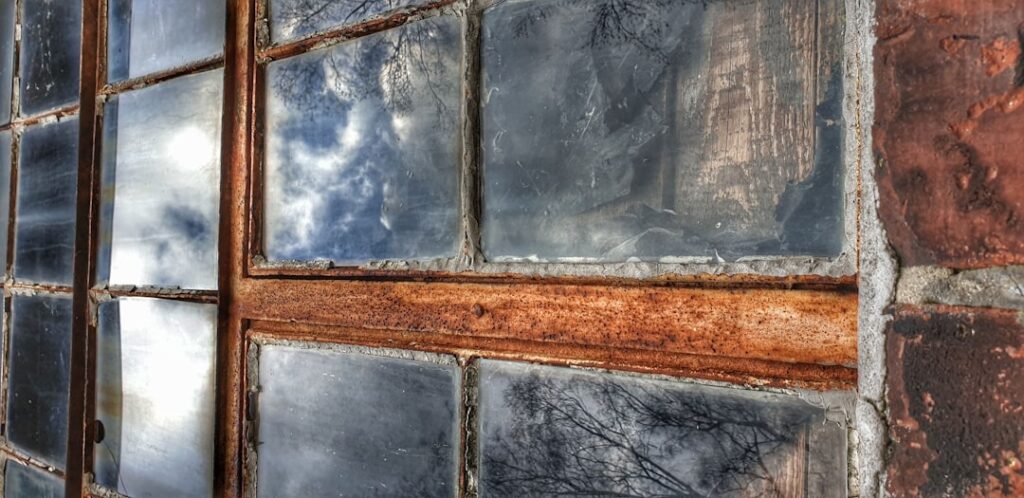
Real antique mirror earns its patina from decades of moisture creeping behind the silvering, which slowly oxidizes the reflective backing. Most tile sold today recreates that effect on purpose. Manufacturers apply chemical washes, controlled distressing, and tinted backing paints to mimic the spotting and foxing of genuine age. The clouding lives on the back of the glass, sealed behind a protective coat, so the front face stays smooth and cleanable.
The degree of distressing varies enormously. Some tiles show only a faint smoky haze, while others are heavily speckled with dark gold and silver flecks. Because each sheet is treated by hand or with semi-random processes, no two tiles look identical, which is part of the appeal.
Common Finishes and Colors
Antique mirror tile is not limited to plain silver. The tint comes from the backing and the glass itself, giving you several distinct moods.
- Silver antique: the classic look, with cool gray clouding and scattered dark spots.
- Gold or bronze antique: a warmer reflection that flatters brass fixtures and wood tones.
- Smoke or gray: a deeper, moodier tint that reads almost charcoal in low light.
- Champagne and peach: subtle warm casts popular in dressing rooms and bars.
Shapes range from classic squares and subway rectangles to beveled diamonds and large-format panels. Beveled edges catch light dramatically and lean traditional, while clean square edges suit a more modern, gridded installation.
Where Antique Mirror Tile Works Best
This is primarily a decorative wall material, and it shines in spaces where you want depth and reflected light. A kitchen backsplash in antique mirror bounces light around the room and makes a galley feel larger. Powder rooms, bar walls, dining room accent walls, and the back of open shelving all benefit from the glow.
One practical advantage over plain mirror is that the distressed surface hides smudges, water spots, and fingerprints. A flawless mirror backsplash shows every splash; an antiqued one absorbs that visual noise into its existing pattern, so it looks clean far longer between wipe-downs.
Cost Expectations
Antique mirror tile sits in the mid-to-upper range of decorative tile. The figures below are planning estimates, not quotes, and shift with brand, thickness, and how custom the antiquing is.
- Material: commonly $20 to $60 per square foot, with hand-distressed and beveled tiles reaching higher.
- Installation: figure $10 to $25 per square foot for professional setting, often more than standard ceramic because mirror demands careful handling and cutting.
Because mirror cannot be cut with a standard wet saw without risking chips and cracks in the backing, fabricators frequently score and snap it or use specialty blades, which adds labor.
Installation Considerations
Setting mirror tile differs from ceramic in a few important ways, and these details determine whether the finished wall looks luminous or cloudy. Standard thinset can react with the reflective backing and create dark blotches over time, so most manufacturers specify a neutral-cure silicone or a mirror-safe mastic instead. Always follow the product’s data sheet on adhesive choice.
- Use a clear or mirror-rated adhesive to avoid bleed-through that ruins the reflection.
- Keep the substrate perfectly flat; mirror exaggerates any lump or dip in the wall.
- Leave the manufacturer’s recommended grout joint, and consider a clear or color-matched grout that does not smear the edges.
- Cut sparingly and plan your layout so full tiles land in the most visible areas.
If you are not experienced with glass, this is a project where hiring a tile setter familiar with mirror pays off, both in appearance and in avoiding wasted, expensive tile.
Antiqued Mirror Versus Plain Mirror
Choosing between true antiqued tile and plain mirror tile comes down to the look you want and the maintenance you can tolerate. Plain mirror delivers a sharp, full reflection that maximizes the sense of space, but it shows every fingerprint, water droplet, and dust mote, demanding constant attention to look its best. It also reflects the room with unforgiving clarity, including clutter you might prefer to soften.
Antiqued tile trades that crisp reflection for atmosphere. The clouding diffuses the image into something painterly, hides daily smudges, and reads as warmer and more lived-in. For a backsplash or a feature wall you do not want to polish weekly, the antiqued version is usually the more practical and more flattering choice, even though it carries a higher price for the specialized finish.
Caring for the Surface
Cleaning is refreshingly simple. Wipe the face with a soft cloth and a mild glass cleaner, and avoid harsh abrasives that could scratch the front. Never let cleaner pool at the tile edges or seep behind the glass, because liquid reaching the silvered backing can accelerate real desilvering and create dark creep marks. Spray cleaner onto your cloth rather than directly onto the wall near the seams.
In wet zones such as a shower surround, confirm the specific tile is rated for that exposure before installing, since constant moisture is the enemy of any silvered surface.
Styling Antique Mirror in Your Home
The trick with antique mirror tile is restraint. Because the surface is busy and reflective, it works best as a feature rather than wall-to-wall coverage. Pair it with calm, matte surroundings such as flat-painted cabinetry, honed stone counters, or warm wood so the mirror remains the focal point. Lighting matters too; place fixtures so they read as soft glints in the glass rather than glaring hotspots.
Used thoughtfully, antique mirror tile delivers a sense of history and light that few materials match. It rewards careful installation and gentle care with a backdrop that feels collected, elegant, and quietly luxurious. Whether you cover a single powder-room wall or a stretch of kitchen backsplash, the aged reflection adds character that a flat mirror never could.
Prefer to explore on your own?
See how new flooring looks in your actual room in seconds — free, no signup.
Try the free Floor Studio →