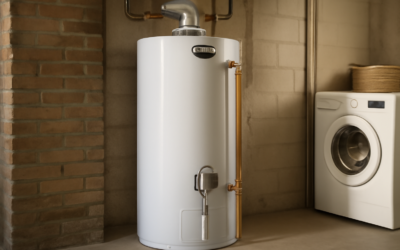
When your water heater finally gives out, you want a replacement that is dependable, well-supported, and sized right, not the cheapest tank that will fail in five years. The AO Smith ProLine water heater line has earned a reputation among plumbers and homeowners for hitting that reliable-workhorse sweet spot, offering solid gas and electric tanks with strong warranties at a fair price. If it is on your shortlist, this guide will help you understand the lineup and choose correctly.
We will cover the ProLine family, how to pick the right size and fuel type, the standout features, warranty coverage, and what installation typically costs so you can budget the whole project.
- Understanding the ProLine Family
- Gas vs. Electric ProLine Models
- Choosing the Right Size
- Standout Features
- Warranty Coverage
- Installation and Cost
- Maintenance for a Longer Life
- ProLine vs. Big-Box Water Heaters
- Signs Your Old Heater Needs Replacing
- Frequently Asked Questions
- Is the ProLine Right for You?
Understanding the ProLine Family
ProLine is AO Smith’s mainstream residential tank line, sold largely through plumbing wholesalers and installed by professionals rather than sold off big-box shelves. That distinction matters: it usually means better-grade components and warranty support through the pro channel. The family includes several tiers.
- ProLine (standard): reliable, no-frills tanks in gas and electric for everyday households.
- ProLine XE (high efficiency): models with better insulation, power-vent or higher-efficiency burners, and lower operating costs.
- ProLine Master: the top tier with the longest warranties and premium features.
Within each tier you choose fuel type, tank capacity, and venting style, so there is a configuration for nearly any home.
Gas vs. Electric ProLine Models
Your fuel choice is usually dictated by what already exists in your home, but it is worth understanding the trade-offs.
Gas ProLine Models
Natural gas and propane models heat water faster and cost less per gallon of hot water in most regions. They come in atmospheric-vent versions that use a standard flue and power-vent versions that use a fan to exhaust through a sidewall, handy when you lack a vertical chimney. Gas units need proper venting and combustion air.
Electric ProLine Models
Electric tanks are simpler to install, have no combustion or venting, and are often cheaper upfront. They recover hot water more slowly, so sizing matters more. They suit homes without a gas line and areas with reasonable electricity rates.
Choosing the Right Size
Buying the wrong capacity is the most common mistake. Too small and you run out of hot water; too large and you waste energy keeping extra water hot. Use household size as your starting point.
- 1 to 2 people: 30 to 40 gallon tank
- 2 to 3 people: 40 to 50 gallon tank
- 3 to 4 people: 50 gallon tank
- 5 or more people: 55 to 75 gallon tank, or consider a tankless upgrade
Also weigh the First Hour Rating (FHR), which tells you how much hot water the unit can deliver in a busy hour. For homes with back-to-back morning showers, FHR is a more useful number than raw tank size. Gas models generally post higher FHRs than electric of the same capacity because they reheat faster.
Standout Features
ProLine tanks include the practical engineering that extends tank life and simplifies service.
- Coregard anode rod: a stainless-clad rod that resists corrosion and helps protect the tank from rusting out, a key longevity feature.
- Dynaclean dip tube: helps reduce sediment buildup at the tank bottom, which otherwise saps efficiency and causes rumbling.
- Durable glass-lined tank: the interior coating that fights corrosion.
- Push-button ignition on gas models: no pilot to relight manually.
- Higher-efficiency insulation on XE models to cut standby heat loss.
These are not flashy features, but they are exactly the elements that determine whether a tank lasts eight years or fifteen.
Warranty Coverage
Warranty length is a good proxy for build quality, and ProLine offers a range. Standard models typically carry a 6-year warranty, while step-up and Master models offer 8, 10, or even 12-year coverage on the tank. The longer-warranty units usually include a larger or dual anode rod and thicker insulation, which is why they last longer, so the extended warranty reflects genuinely better hardware, not just a paper promise. If you plan to stay in your home a long time, paying more for the longer warranty tier is often worth it.
Installation and Cost
Because ProLine is a pro-installed line, factor labor into your budget. Here is what to expect for a standard tank replacement.
- Standard electric ProLine unit: roughly $500 to $900 for the heater.
- Standard gas ProLine unit: roughly $600 to $1,200 for the heater.
- Professional installation: $500 to $1,500 depending on venting changes, code upgrades, and local rates.
- Total replacement project: commonly $1,200 to $2,500 installed.
Costs climb if the installer must add an expansion tank, upgrade venting, bring old connections up to code, or convert from one venting style to another. Get an itemized quote so you know what is driving the price.
Maintenance for a Longer Life
A little upkeep dramatically extends any tank’s life. Flush a few gallons from the drain valve once or twice a year to clear sediment, especially in hard-water areas. Inspect the anode rod every few years and replace it when it is heavily corroded, since a fresh rod can add years of tank life. Test the temperature-and-pressure relief valve annually, and set the thermostat around 120 degrees Fahrenheit for a good balance of comfort, safety, and efficiency.
ProLine vs. Big-Box Water Heaters
A common question is how ProLine differs from the water heaters you see stacked at home improvement stores. Interestingly, AO Smith manufactures many big-box brands too, but the ProLine line sold through plumbing wholesalers typically features professional-grade components, better anode protection, and support geared toward installers rather than DIY buyers. The practical upshot is that ProLine units tend to be built for longevity and are backed by a supply chain that makes warranty service smoother when a plumber handles the claim.
That said, the retail versions are not junk, and for a budget-conscious DIY installer, a big-box unit can make sense. The ProLine advantage shows up most for homeowners who are hiring a professional anyway and want a tank engineered to go the distance. When you factor in that installation is the bulk of the cost either way, the modest premium for a longer-lasting ProLine often pays off.
Signs Your Old Heater Needs Replacing
Before you shop, confirm replacement is actually necessary. Telltale signs include rusty or discolored hot water, which points to a corroding tank; rumbling or popping noises from sediment buildup; water pooling around the base, indicating a tank leak that cannot be repaired; and inconsistent or insufficient hot water. Age matters too. Most tank heaters last 8 to 12 years, so if yours is past a decade and showing symptoms, replacing it proactively beats waiting for a flood in your utility room.
Frequently Asked Questions
What size ProLine do I need?
For most families of three to four, a 50-gallon tank is the standard choice. Smaller households can use 40 gallons, while five or more people may need 55 to 75 gallons. Check the First Hour Rating, not just tank size, since gas models recover faster and serve busy mornings better.
Is gas or electric better?
Gas heats faster and usually costs less to run, but requires venting and a gas line. Electric is simpler to install with no venting and often cheaper upfront. Your choice is usually dictated by what your home already has.
How long does a ProLine water heater last?
With basic maintenance, flushing sediment and replacing the anode rod, ProLine tanks routinely last 10 to 15 years, often beyond their warranty period. Neglecting maintenance in hard-water areas shortens that considerably.
Is the ProLine Right for You?
The AO Smith ProLine water heater is a smart choice for homeowners who value reliability and professional support over rock-bottom price. It is not the flashiest option, but it delivers dependable hot water, sensible longevity features, and warranty tiers that let you match your investment to how long you plan to stay. Choose the fuel type your home already supports, size it to your household and peak-hour demand, and consider stepping up to a longer-warranty model for the better internal hardware. Do that, and a ProLine tank should quietly deliver hot showers for a decade or more.