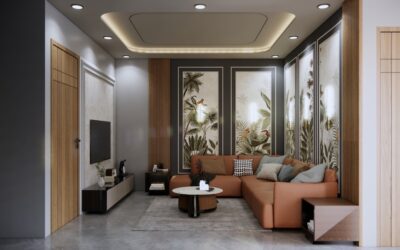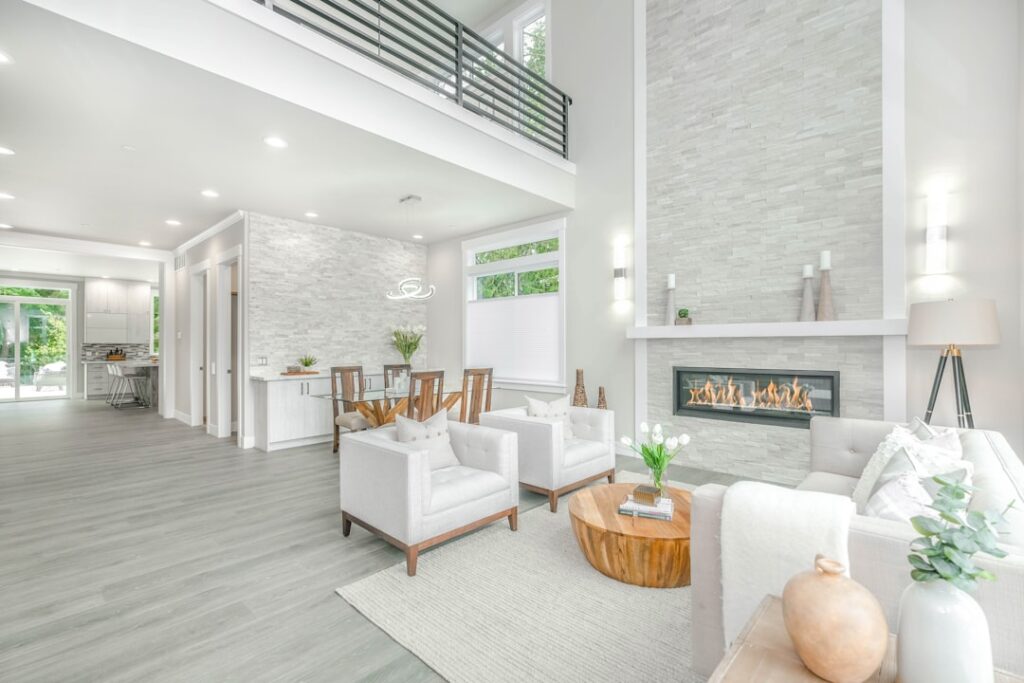
Most rug guides stop at 9×12 and leave owners of big, open rooms guessing, and that is exactly where people go wrong, buying a rug two sizes too small for the space. An area rug 12×15 is built for those large living rooms, great rooms, and formal dining spaces where a standard rug would float like a postage stamp. At 180 square feet, it is one of the biggest stock sizes available. This guide covers what fits on it, the furniture layouts it enables, the materials worth the investment, and what a rug this large costs.
Just How Big 12×15 Is
A 12-by-15-foot rug covers 180 square feet, roughly the footprint of a small bedroom laid flat on your floor. That is nearly a third larger than a 12×12 and half again the size of a 10×14. It is firmly in the extra-large category, meant to define and fill a substantial room rather than accent a corner of it.
Because it is so large, a 12×15 leaves an appropriate border of bare floor, typically 12 to 18 inches, around it in a room measuring roughly 14×17 feet or larger. In a smaller room it will run wall to wall and look like carpet, which defeats the purpose.
What Room Size You Need
A rug this big demands a big room to sit in correctly. As a rule, leave 8 to 24 inches of exposed floor on each side so the rug reads as an intentional island. That puts the ideal room at about 14×17 feet or larger.
Measure your room before buying and mark the rug’s outline with painter’s tape on the floor. This simple check prevents the most common and expensive mistake: ordering a rug that overwhelms the space or crowds the walls. If your room is smaller, step down to a 10×14 or 9×12 instead.
The Big Advantage: All Furniture Fits
The reason to buy a rug this large is that every piece of furniture can sit fully on it, which is the gold standard for a pulled-together room. In a spacious living room, a 12×15 comfortably holds a full-size sofa, a loveseat or pair of chairs, and a coffee table with all legs on the rug.
That “all legs on” layout unifies a large seating group and makes even a cavernous great room feel cozy and defined. It anchors the furniture into a single conversation area instead of leaving pieces stranded on bare floor, which is what happens when the rug is too small.
Ideal Layouts by Room
A 12×15 does its best work in a few specific rooms:
- Large living room: All furniture legs on the rug for a fully grounded seating area
- Great room / open concept: Defines the living zone within a larger open floor plan
- Formal dining room: Fits a table for eight to ten with chairs staying on the rug when pulled out
- Primary bedroom: Runs under a king bed with generous borders on three sides
- Finished basement: Warms and zones a big rec or media area
In the dining room especially, the size matters for function: chairs need to stay on the rug even when pulled out to sit, and a 12×15 gives that clearance around a large table.
Materials and Durability
A rug this large is an investment, so the fiber choice affects both cost and how well it holds up under a big room’s traffic. Wool is the premium option: durable, naturally stain-resistant, and comfortable underfoot, and it ages gracefully over decades. Synthetics like polypropylene cost far less and resist fading and stains, a smart choice for families and high-traffic great rooms.
Natural fibers such as jute and sisal bring texture and a casual look at a moderate price, though they are less plush and harder to spot-clean. For a room this size, factor in that a low-pile or flatweave rug is far easier to vacuum and move than a thick shag.
What a 12×15 Costs
Price scales with size and material, and at 180 square feet this rug is a real purchase. Budget synthetic 12×15 rugs start around $200 to $500. Mid-range machine-made wool blends run roughly $600 to $1,500. Hand-knotted wool or higher-end pieces climb from $2,000 well into the thousands.
Do not forget a quality rug pad sized for a 12×15, which adds $80 to $200 but meaningfully extends the rug’s life, adds cushion, and keeps it from shifting. Given the cost, buy the best fiber your budget allows, since a large rug is one you will live with for many years.
12×15 vs 10×14 and 9×12
Choosing among the large sizes comes down to your exact room dimensions. A 9×12 covers 108 square feet and suits a standard living or dining room, while a 10×14 at 140 square feet handles a generously sized one. The 12×15, at 180 square feet, is a full step up meant for genuinely large rooms measuring roughly 14×17 feet or more.
The difference is not just area but how much furniture fits fully on the rug. A 9×12 often catches only the front legs of a large seating group, while a 12×15 gets every leg on board with room to spare. If a 10×14 leaves your furniture crowding the edges, the 12×15 is the size that finally lets a big room breathe. Measure carefully, because jumping to 12×15 in a room that is too small turns an area rug into wall-to-wall carpet.
Getting the Shape and Orientation Right
A rug this large has to align with the room’s proportions to look right. Orient the 15-foot length along the room’s longer dimension so the rug echoes the shape of the space rather than fighting it. In a rectangular great room, that usually means the rug runs the same direction as the main traffic path and the longest wall.
Center the rug on the room’s primary focal point, whether that is a fireplace, a large window, or the main seating group, and let the furniture arrangement sit squarely on top. A 12×15 that is rotated the wrong way or pushed off-center draws the eye to the imbalance, so take the time to align it before you set the heavy furniture back down.
Buying Considerations for a Large Rug
A few practical points matter more at this size than at smaller ones. Shipping and delivery of a 12×15 is a two-person job, and the rug arrives tightly rolled, often needing several days to relax flat, so plan to weight the corners or lay heavy furniture to speed the process. Check the return policy carefully, since sending back a rug this big is a real hassle.
Because the rug covers so much visual territory, the color and pattern set the tone for the entire room, so order samples or swatches first if possible. A busy pattern hides traffic and spills across a large surface, while a solid or subtle tonal rug reads as calm and expansive. Weigh both the look and the practical upkeep before committing to a purchase this significant.
Handling and Care
A 12×15 is heavy and unwieldy, so plan for two people to move, flip, or rotate it. Rotate it 180 degrees once or twice a year so foot traffic and sunlight wear it evenly across such a large surface. Vacuum regularly and address spills quickly before they spread across the big field of fibers.
For deep cleaning, a rug this size usually needs professional service rather than a DIY machine, so factor that into ownership. Sized to the right room and cared for properly, an area rug 12×15 anchors a large space like nothing smaller can, turning an echoing room into a warm, cohesive one.