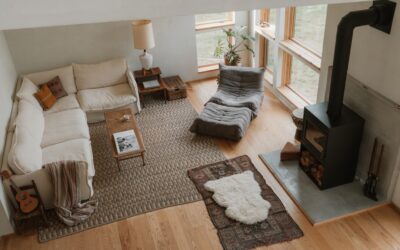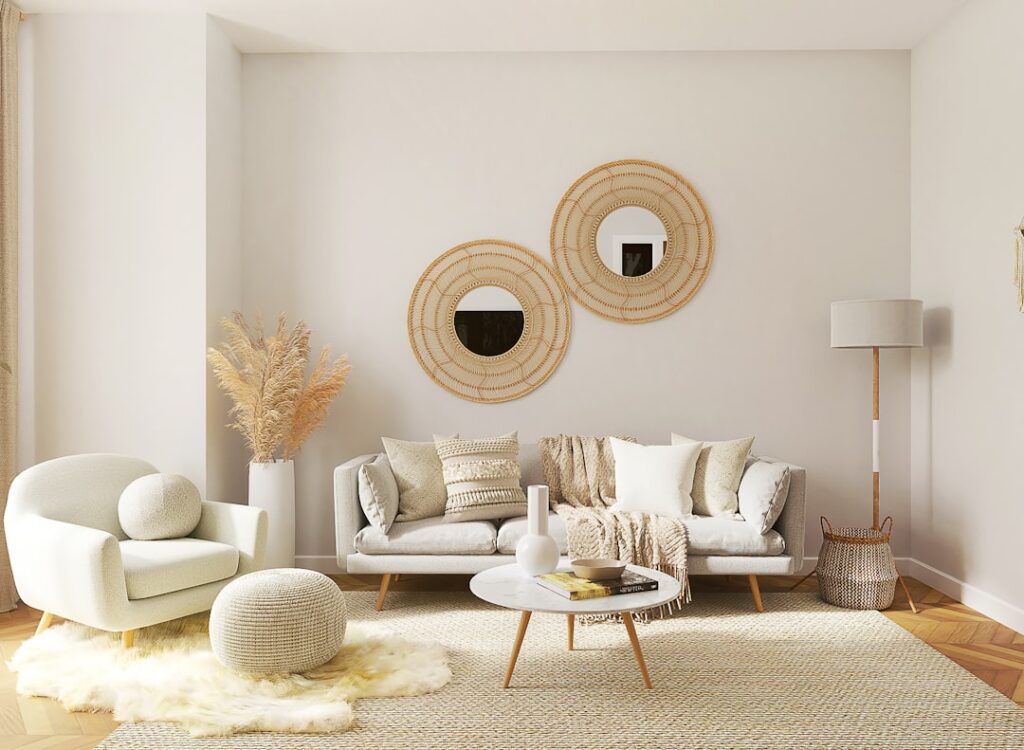
Getting a rug right is one of the fastest ways to make a room feel finished, and getting it wrong is one of the fastest ways to make a space feel awkward and disconnected. If you have ever wondered how to place an area rug in a living room, the short answer is that size and furniture relationship matter far more than the rug’s pattern or color. A rug that is too small floats like a postage stamp on the floor, while a properly scaled rug pulls the sofa, chairs, and coffee table into one cohesive seating group.
After more than a decade helping homeowners choose flooring and layer rugs on top of hardwood, vinyl, and tile, I can tell you the same handful of rules solve almost every layout problem. Below I’ll walk you through the three main placement approaches, the exact sizes to buy, and the small details that separate a designer-looking room from a DIY afterthought.
Start With the Right Rug Size
Size is the single most important decision, so nail it before you shop for patterns. As a general rule, an area rug should be large enough that at least the front legs of every major seating piece rest on it. For a standard living room, that usually means an 8-by-10-foot rug at minimum, and 9-by-12 feet for larger, open-concept spaces. Small apartments and reading nooks can work with a 5-by-8, but be honest about scale before you commit.
A reliable trick is to leave a consistent border of bare floor around the rug, roughly 8 to 18 inches between the rug edge and the walls. That margin frames the rug like a mat frames a photograph. If your rug runs wall to wall, you may as well have installed carpet, and you lose the layered, intentional look that makes hardwood or luxury vinyl shine underneath.
Method One: All Legs On the Rug
This is the most luxurious and grounded arrangement, and it is what high-end design photos almost always show. Every piece of furniture in the seating group, including the sofa, accent chairs, and coffee table, sits fully on the rug. To pull this off you typically need a 9-by-12 or even a 10-by-14, plus enough open floor space to accommodate it.
This approach makes a room feel plush and cohesive because the eye reads the entire seating zone as one unit. The downside is cost and space. Larger rugs run $400 to well over $1,500 depending on material, and you need a genuinely spacious room for the border margin to still work. If you have the square footage, this is the layout I recommend most often.
Method Two: Front Legs On the Rug
The front-legs-on approach is the workhorse for average-sized living rooms, and it is the one I steer most clients toward. The front feet of the sofa and chairs rest on the rug while the back legs sit on the bare floor. This visually connects the furniture to the rug and to each other without requiring an oversized, expensive piece.
An 8-by-10 rug handles most rooms in this configuration. Push the rug under the front of the sofa by about 6 to 12 inches so the connection looks deliberate rather than accidental. This method is forgiving, budget-friendly, and works beautifully over hardwood or luxury vinyl plank, since a strip of the floor still shows around the perimeter.
Method Three: All Legs Off the Rug
In smaller rooms or when the rug is more of a decorative accent than a foundation, you can float all furniture off the rug and center it under the coffee table only. This works best when the rug is at least large enough to extend a few inches beyond the coffee table on all sides, so it does not look stranded.
I generally reserve this method for compact apartments, bedrooms, or a defined conversation corner. Just be careful, because a too-small rug under only the coffee table is the most common mistake I see. If the rug does not reach toward the seating, the whole arrangement feels disconnected and cheap, no matter how nice the rug itself is.
Centering and Orientation
Once you have your size and method, center the rug on the main focal point of the seating group rather than the room’s exact geometric center. Usually that means aligning it with the sofa and coffee table. Orient the rug so its long dimension runs parallel to the longest wall or the sofa, which keeps the layout looking balanced and intentional.
In open-concept homes, use the rug to carve out the living zone from the dining or kitchen area. A clear rug boundary tells the eye where one function ends and another begins, which is invaluable when there are no walls to do that job. Keep pathways clear so traffic flows around the seating group, not diagonally across your beautiful rug.
Layering, Padding, and Practical Details
Always use a quality rug pad. A good pad prevents slipping, adds cushion underfoot, protects your finished floor from abrasion, and keeps the rug from bunching. Buy the pad about one inch smaller than the rug on all sides so it stays hidden. Expect to spend $30 to $100 on a decent pad, and consider it non-negotiable insurance for both the rug and the floor beneath it.
If your room is large, layering a smaller patterned rug over a larger neutral one, such as a jute base, adds texture and lets you use a favorite piece that would otherwise be too small. Vacuum regularly and rotate the rug every six months so wear and sun fading stay even. These small habits keep the rug looking sharp for years.
Common Mistakes to Avoid
The number one error is buying too small. When in doubt, size up, because a slightly large rug always looks better than a small one. The second mistake is ignoring the border margin and running the rug too close to the walls, which erases the framed effect. The third is skipping the rug pad, which leads to slipping, curling corners, and premature wear.
Finally, do not forget proportion within the group itself. The coffee table should leave roughly 18 inches of walking space between it and the sofa, and the rug should comfortably contain that relationship. Get the scale and method right, and your living room will feel intentional, warm, and professionally designed, all from one well-placed rug.
Matching Rug Shape to Your Room
Most living rooms call for a rectangular rug because it mirrors the geometry of the furniture and the room itself, but shape deserves a moment of thought. A rectangle works for the vast majority of seating arrangements and is the safest default. Round rugs, by contrast, soften a space and work beautifully under a round table or in a small, symmetrical conversation nook, though they rarely suit a long sofa-based layout.
Consider the room’s proportions when choosing. A long, narrow living room reads better with a rug whose proportions echo that shape, while a square room can carry a square or nearly square rug. If your seating spans an open-concept great room, a large rectangle anchors the zone cleanly. Match the rug’s orientation to the dominant furniture line, and the whole arrangement will feel balanced rather than fought against the room’s natural flow.
Choosing Material and Pile for Living Rooms
Placement is only half the equation; the rug’s construction determines how it lives in a high-traffic room. For busy living rooms with kids and pets, a low-pile, tightly woven rug in wool or a quality synthetic like polypropylene resists crushing and cleans up easily. Wool is naturally stain-resistant and durable, while synthetics offer budget-friendly performance and easy spot cleaning. High-pile shag rugs feel luxurious but trap crumbs and show foot traffic quickly, so I reserve them for lower-use spaces.
Color and pattern also affect longevity in practical terms. Medium tones and subtle patterns hide everyday soil far better than a solid cream or a very dark rug, both of which broadcast every crumb and pet hair. If your living room sees heavy use, lean toward a mid-tone patterned rug that forgives daily life while still tying the room together. The right material and pile choice means your perfectly placed rug still looks great years down the line.
Prefer to explore on your own?
See how new flooring looks in your actual room in seconds — free, no signup.
Try the free Floor Studio →