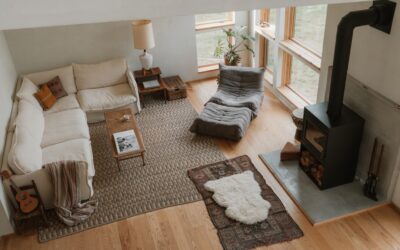
A sectional dominates a living room, and the rug beneath it can either pull the whole seating area together or leave it looking like a floating island of furniture. Getting proper rug placement living room sectional setups right hinges on choosing the correct rug size and positioning it so the furniture and rug feel like one intentional group. Too small a rug is the single most common decorating mistake in this scenario. This guide covers the sizing rules, placement methods, and orientation tips that make a sectional and rug look designed rather than accidental.
Why Rug Placement Matters With a Sectional
Because a sectional is large and often L- or U-shaped, it occupies a big footprint that a rug has to relate to correctly. A well-placed rug defines the seating zone, adds warmth and texture, and visually anchors the sectional so the arrangement reads as a cohesive room rather than random pieces pushed against walls.
The stakes are higher than with a standard sofa. A rug that is too small under a big sectional looks like a postage stamp and makes the furniture appear to hover. The right rug, by contrast, grounds the entire group, connects the sectional to any additional chairs or a coffee table, and even makes the room feel larger by creating a defined, well-proportioned space. Placement is not just decoration; it shapes how the whole room functions and feels.
The Golden Rule: Front Legs On the Rug
The most widely used and reliable guideline is to place the rug so at least the front legs of the sectional rest on it. This visually ties the furniture to the rug, creating a unified seating area without requiring the largest, most expensive rug on the market.
For an even more grounded, luxurious look, size up so the entire sectional, all legs, sits fully on the rug with room to spare around it. This is the designer-preferred approach when the room and budget allow, because it makes the space feel intentional and generous. The one arrangement to avoid is the sectional sitting entirely off the rug with only a small mat floating in front, which disconnects the pieces and looks unbalanced. Front legs on is the minimum; all legs on is ideal.
Choosing the Right Rug Size
Sectionals demand larger rugs than most people expect. As a rule, the rug should be wide and long enough that it extends beyond the inner edges of the sectional and leaves a balanced border of exposed floor around the seating group, typically 8 to 18 inches of floor between the rug edge and the walls.
- 8 by 10 feet: A common minimum for a small to medium sectional, with front legs on the rug.
- 9 by 12 feet: A versatile size that lets a medium sectional sit fully or mostly on the rug.
- 10 by 14 feet or larger: Best for large L- or U-shaped sectionals in spacious rooms, allowing all legs on the rug.
Always measure your sectional’s overall footprint and your room before buying. A good target is a rug that extends at least 6 to 12 inches beyond the front and open sides of the sectional so the coffee table and any accent chairs also relate to it.
Positioning the Rug With Your Sectional Layout
Shape matters. For an L-shaped sectional, position the rug so it fills the open area within the L and extends under the front legs of both sections, with the rug oriented to echo the longer run of the sofa. The coffee table should sit fully on the rug, centered in the open space.
For a U-shaped sectional, aim for a rug large enough to reach under the front legs on all three sides, or ideally under the entire piece, so the enclosed seating area sits on a continuous surface. Center the rug within the U so the border is even. In an open-concept room, use the rug to carve out the living zone from adjacent dining or walkway areas, keeping the sectional and rug as a clearly bounded group.
Orientation and Proportion Tips
Match the rug’s orientation to the room and the sectional. In a long, rectangular room, run the rug’s length in the same direction as the longest wall so the proportions feel harmonious. The rug should generally mirror the overall shape of the seating arrangement rather than fight it.
Keep the borders balanced. Leave a consistent margin of bare floor, roughly the same distance on the sides that are open, so the rug looks centered and deliberate. Avoid pushing the rug tight against a wall on one side while leaving a huge gap on the other. If your sectional floats in the middle of an open room, a larger rug that captures all the furniture, plus a coffee table and accent chairs, unifies the entire conversation area.
Layering and Rug Pads for Sectionals
Sometimes the perfectly sized rug is hard to find or costs more than your budget allows, and layering solves both problems. Placing a smaller, more decorative rug on top of a large, neutral base rug, often an affordable jute or sisal, lets you hit the required size cheaply while adding texture and pattern where it shows. The base rug handles the “all legs on” job while the top rug provides the style.
A rug pad is non-negotiable under a sectional. Because the furniture is heavy and the rug spans a large area, a quality pad keeps the rug from creeping, protects the floor beneath, and adds a cushioned feel underfoot. Choose a pad cut about an inch smaller than the rug on all sides so it stays hidden, and pick a felt-and-rubber pad on hard floors for the best grip and comfort.
Layering also helps in transitional and eclectic rooms where a single rug feels flat. Keep the top rug oriented the same way as the base and the sectional so the layers reinforce rather than fight each other. Done well, layering delivers a designer look, correct proportions, and a stable, comfortable surface all at once.
Coordinating Color and Pattern With the Room
Once size and placement are handled, color ties the arrangement to the rest of the room. A rug a few shades different from the sectional creates gentle contrast that keeps the seating group from blending into a single mass; a rug that matches the sofa too closely can make the whole zone read as one flat block. Pull an accent color from your pillows, art, or curtains into the rug to knit the palette together.
Pattern scale matters under a large sectional. A big, open room and a sizable rug can carry a bolder, larger-scale pattern without looking busy, while a smaller space is better served by a subtle texture or low-contrast design so the rug grounds the sectional without overwhelming it. When in doubt, a textured solid or a large-scale, muted pattern is the safest choice beneath a substantial sectional.
Common Mistakes to Avoid
Steer clear of the too-small rug above all else; it is the number one error and instantly makes a space feel cheap and disjointed. Also avoid placing only the coffee table on a tiny rug while the sectional sits entirely on bare floor, which creates a disconnected look.
Do not ignore the room’s proportions by choosing a rug that leaves an awkward sliver of floor on one side. And resist centering the rug on the room while ignoring the furniture, since the rug should anchor the sectional, not the walls. Get the size generous, keep at least the front legs on, and balance the borders, and your sectional and rug will look like they were always meant to be together.