If your house was built between 1920 and 1980 and the siding is hard, brittle, and roughly 12 by 24 inches with a slightly fibrous edge, there is a good chance you are looking at asbestos siding shingles. They were marketed as miracle fireproof cladding for half a century, and tens of millions of US homes still have them in place. They are not automatically dangerous, but you cannot treat them like vinyl or fiber cement. Below is what to test, what to leave alone, and what every replacement option realistically costs in 2026.
Part of our Roofing guide — explore the full guide →
How to Identify Asbestos Cement Shingles
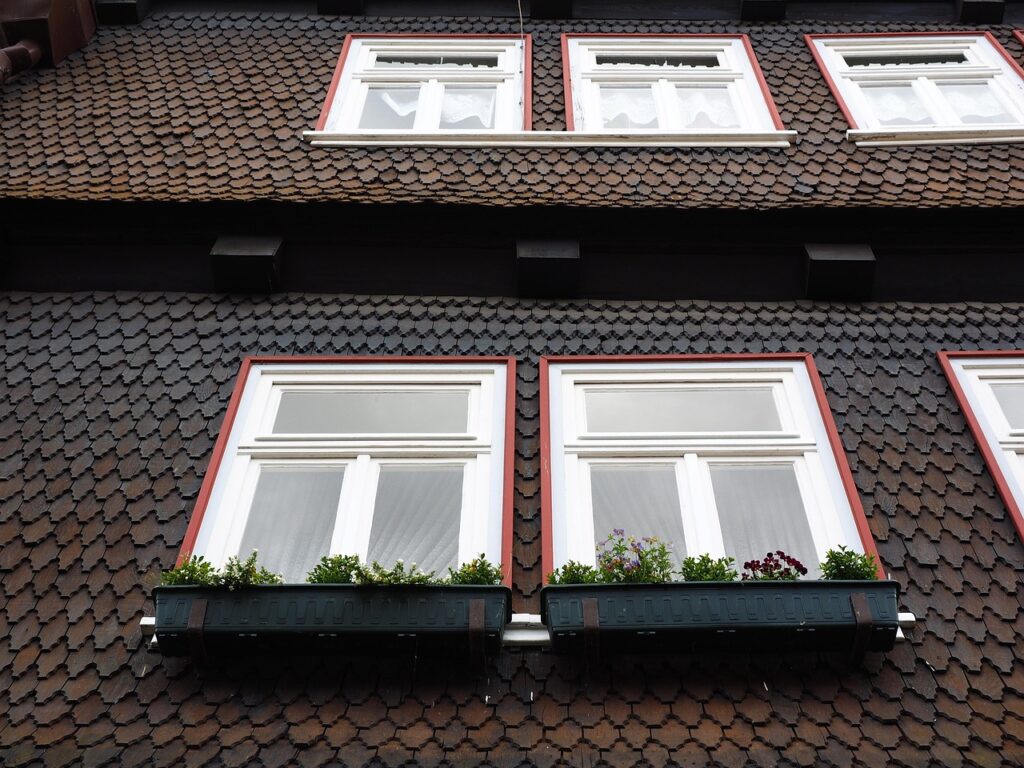
The most common version is a 12 by 24 inch rectangular shingle made of Portland cement bonded with chrysotile asbestos fibers. Look for these visual cues:
- Wavy bottom edge or three vertical ridges molded into the face
- Grayish, slightly chalky surface, often painted multiple times
- Two nails visible at the top of each shingle, never face-nailed in the middle
- Brittle feel — they crack rather than dent when struck
- Roughly 1/4 inch thick with a fibrous broken edge if any are chipped
You can also check building permits or insurance records for the install date. Anything sided between 1920 and 1973 is highly suspect. After 1973 the EPA began phasing asbestos out of building products, but stockpiled shingles were installed legally well into the early 1980s.
Get a Lab Test Before Doing Anything
Do not rely on visual ID alone. Send a sample to an accredited lab for polarized light microscopy testing. Costs run $30 to $50 per sample and turnaround is usually 3 to 5 business days. EMSL Analytical and SanAir Technologies are two national labs that accept mail-in samples.
Take the sample from a damaged or removable edge wearing an N95 minimum, ideally a P100. Wet the area first with a spray bottle, snap off a 1 by 1 inch corner with pliers, double-bag it in zip-top freezer bags, and label clearly. Even better, hire a licensed asbestos inspector for $250 to $500. They will test multiple areas of the home and provide a written report you need if you ever sell.
When You Can Safely Leave It Alone
Intact, painted asbestos cement shingles bonded to your house are not actively releasing fibers. The EPA, OSHA, and most state regulations treat them as low-risk if they are not damaged or disturbed. You can keep them in place if:
- No shingles are cracked, missing, or actively breaking
- The paint film is intact, sealing the fiber matrix
- You are not planning to drill, sand, saw, or pressure-wash them
Many homeowners keep their shingles for decades with no health impact whatsoever. The danger is only when fibers become airborne, which happens during demolition, mechanical damage, or aggressive cleaning.
Encapsulation: The Cheapest Real Option
Encapsulating is the budget-friendly middle ground. You seal the surface with a thick, flexible coating that locks fibers in place. Two common approaches:
- Two-coat acrylic encapsulant paint like Fiberlock 6453 or LiquidThermal, applied at 10 to 12 mils dry. Costs $1.50 to $3 per square foot in materials.
- Pressure-fitted vinyl or insulated vinyl siding installed directly over the shingles. Adds $4 to $8 per square foot installed but offers a complete cosmetic refresh.
If you choose vinyl-over, the installer should never face-nail into the shingles. Modern installs use furring strips screwed into studs through the shingles in pre-drilled holes, never with hammers or impact drivers.
Removal Costs in 2026
Full abatement and removal is the only solution if you are doing significant exterior work, replacing windows extensively, or planning a sale where buyers refuse the home. Licensed asbestos abatement contractors charge:
- $8 to $15 per square foot for removal and disposal in most US markets
- $12 to $22 per square foot in California, New York, Massachusetts, and other strict states
- Add $1,500 to $4,000 for setup, containment, and air monitoring
A typical 1,800 square foot two-story ranch has roughly 2,200 square feet of siding. Expect $20,000 to $35,000 just for the abatement, not including new siding. Get at least three written quotes — pricing in this trade varies wildly because of the licensing required.
What Replacement Siding to Choose
Once shingles are off, the structural sheathing usually needs new house wrap (Tyvek or Typar) and sometimes new sheathing where moisture got behind the original. Three replacement materials work well:
- Fiber cement (James Hardie HardiePlank or HardieShingle): $8 to $14 per sq ft installed. Mimics the original look exactly and lasts 40+ years.
- Engineered wood (LP SmartSide): $7 to $11 per sq ft installed. Lighter, easier to work, 30 year warranty.
- Vinyl shingle (CertainTeed or Mastic): $5 to $9 per sq ft installed. Most affordable, 20 to 30 year typical lifespan.
If you want to keep the historic curb appeal of the original shingles, Hardie’s Cedarmill shingles look closest. Plan to repaint exterior cement-fiber products every 12 to 15 years.
What Never to Do Yourself
Some tasks are non-negotiable professional jobs because of federal and state regulations:
- Never sand or grind asbestos shingles. Airborne fibers can stay aloft for hours and embed in lungs.
- Never use a power washer. The high-pressure water aerosolizes fibers and they coat your siding, soil, and neighbors’ yards.
- Never break or saw shingles to fit around new windows, dryer vents, or anything else.
- Never bury removed shingles in your yard or dispose of them in regular trash. Federal NESHAP rules require licensed transport to an approved landfill.
Selling a Home That Still Has Them
Disclosure laws vary by state, but most require written disclosure if you know about asbestos in any building material. Encapsulated and well-maintained shingles often pass home inspections without issue, especially in older neighborhoods where they are common. Buyers may negotiate $10,000 to $25,000 off the price to fund eventual removal, or request escrow funds to be held back. Pricing your home accordingly and being upfront tends to close faster than playing coy and being caught in the inspection.