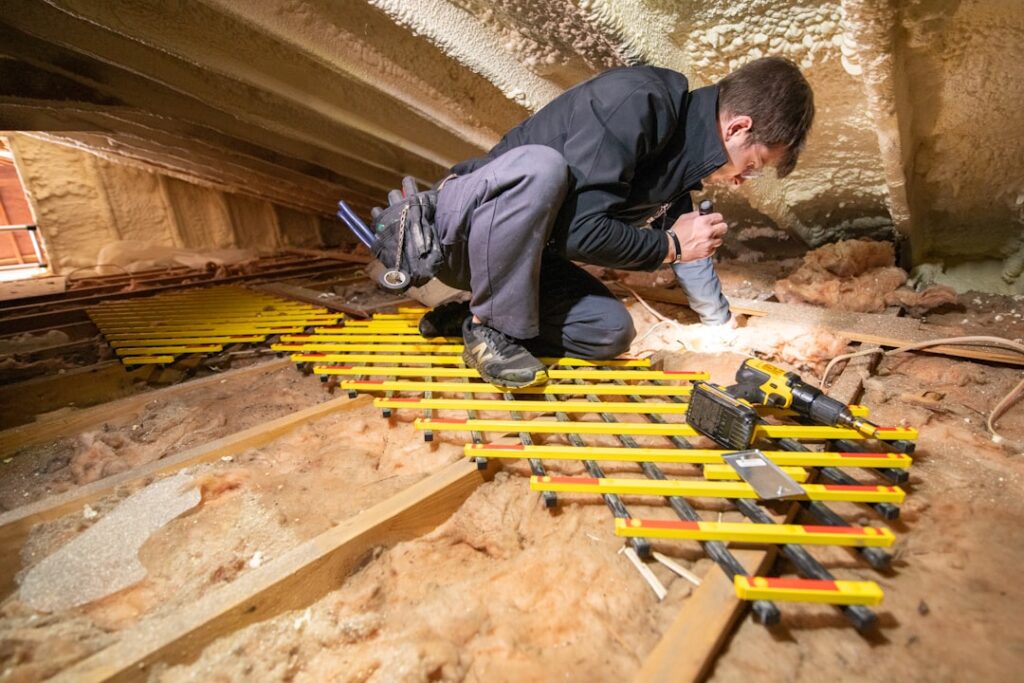
Understanding attic insulation cost is the first step toward one of the highest-return home improvements you can make. A properly insulated attic keeps heat from escaping in winter and blocks it from pouring in during summer, often trimming heating and cooling bills by 10 to 20 percent. For most American homes, insulating or re-insulating an attic runs between $1,500 and $4,000, but the actual figure depends on the insulation type, the R-value you target, your attic’s size and accessibility, and whether you hire a pro or do it yourself. This guide breaks down the numbers so you can budget with confidence.
- Average Attic Insulation Cost
- Cost by Insulation Type
- Understanding R-Value and Its Effect on Cost
- Factors That Change Your Price
- DIY vs. Professional Installation
- What About Removal of Old Insulation?
- The Payback: Why It’s Worth the Cost
- How to Budget Your Project
- Don’t Forget Air Sealing and Ventilation
- Rebates, Tax Credits, and Long-Term Value
Average Attic Insulation Cost
Nationally, homeowners typically spend $1,500 to $4,000 to insulate an attic professionally, with the average landing around $2,500. On a per-square-foot basis, expect roughly $1.50 to $7.00 installed, depending heavily on the material and R-value. A small attic of 500 square feet might cost $1,000 to $2,500, while a large 1,500-square-foot attic could run $3,000 to $8,000 for premium materials like spray foam. These figures include both materials and labor; DIY projects with batts or blown-in fiberglass can cut the cost substantially if you are comfortable with the work.
Cost by Insulation Type
The material you choose is the single biggest factor. Here are typical installed price ranges per square foot:
- Fiberglass batts: $1.50 to $3.50. The cheapest and most DIY-friendly, sold in rolls or pre-cut panels that fit between joists.
- Blown-in (loose-fill) fiberglass: $1.50 to $4.00. Blown in with a machine, it fills gaps and covers irregular spaces well.
- Blown-in cellulose: $1.50 to $4.00. Made from recycled paper, dense and good at blocking air, popular for existing attics.
- Open-cell spray foam: $2.50 to $5.00. Expands to seal and insulate, softer and less dense.
- Closed-cell spray foam: $4.00 to $7.00-plus. The highest R-value per inch and a moisture and air barrier, but the most expensive.
Understanding R-Value and Its Effect on Cost
R-value measures insulation’s resistance to heat flow, and higher R-value means better performance and higher cost. The U.S. Department of Energy recommends attic insulation of roughly R-30 to R-60 depending on your climate zone; colder northern regions need the higher end, while milder southern climates need less. Because you pay for material by the inch and the R-value you achieve, aiming for a higher R-value naturally raises the total. Blown-in materials let you build up to high R-values relatively affordably, while spray foam achieves high R-value in less thickness but at a steeper price. Matching your target R-value to your climate zone avoids both under-insulating and overpaying.
Factors That Change Your Price
- Attic size: More square footage means more material and labor, the biggest driver of total cost.
- Existing insulation: If old insulation must be removed, especially if it is damaged, moldy, or contaminated by pests, removal adds $1 to $2 per square foot or more.
- Accessibility: Tight, low-clearance, or hard-to-reach attics take longer and cost more to work in.
- Air sealing and prep: Sealing gaps, adding baffles for ventilation, or fixing moisture issues adds to the bill but improves results.
- Labor rates: Costs vary by region, with higher rates in expensive metro areas.
DIY vs. Professional Installation
Doing it yourself can cut costs significantly, especially with fiberglass batts or rented blown-in equipment. DIY batts might cost only $0.50 to $1.50 per square foot in materials, and many home centers rent or lend a blower with a bulk cellulose purchase. However, DIY has limits: batts must be cut and fitted carefully to avoid gaps that kill performance, blown-in requires a helper and a machine, and spray foam should almost always be left to professionals because of the chemicals and equipment involved. Professional installation costs more but ensures proper coverage, air sealing, and ventilation, and pros can identify problems like inadequate attic ventilation that a DIYer might miss. For simple batt or blown-in top-ups, DIY is reasonable; for spray foam or complex attics, hire a pro.
What About Removal of Old Insulation?
If your attic has old, matted, water-damaged, or rodent-contaminated insulation, it usually needs to come out before new material goes in. Removal typically adds $1 to $2 per square foot, or $1,000 to $2,500 for a whole attic, depending on the material and contamination. Insulation over old knob-and-tube wiring or with signs of mold or pest infestation must be handled carefully and sometimes by specialists. If your existing insulation is simply thin but clean and dry, you can often add new insulation on top rather than removing it, saving that cost entirely.
The Payback: Why It’s Worth the Cost
Attic insulation is one of the best returns in home improvement because heat rises and escapes through an under-insulated attic year-round. Adequate insulation can reduce heating and cooling costs by 10 to 20 percent, meaning a $2,500 project might save a few hundred dollars annually and pay for itself in several years, while continuing to save for the life of the home. Beyond the dollars, better insulation means more even temperatures, fewer drafts, and improved comfort. Many utilities and government programs also offer rebates or tax credits for insulation upgrades, which can offset a meaningful portion of the cost, so check local incentives before you begin.
How to Budget Your Project
To plan accurately, first measure your attic’s square footage and note your climate zone’s recommended R-value. Decide on a material based on your budget and goals: batts or blown-in for affordability, spray foam for maximum performance and air sealing. Get at least three written quotes from licensed insulation contractors, making sure each specifies the material, target R-value, whether old insulation removal and air sealing are included, and any ventilation work. Watch for quotes that seem unusually low, as they may skip critical air sealing or under-deliver on R-value. Factoring in potential rebates, most homeowners find that a mid-range blown-in or batt project offers the best balance of cost and performance.
Don’t Forget Air Sealing and Ventilation
A hidden factor in both cost and performance is the prep work that surrounds the insulation itself. Air sealing, which means caulking and foaming the gaps where air leaks between the attic and living space (around recessed lights, plumbing stacks, wiring holes, and the attic hatch), dramatically improves how well your insulation performs. Adding insulation over a leaky attic floor is like wearing a thick sweater with the windows open; the air still escapes. Reputable contractors include air sealing in their scope or offer it as an add-on for a few hundred dollars, and it is money well spent. Equally important is ventilation: soffit and ridge vents must stay clear so the attic can breathe, which prevents moisture buildup and ice dams. Installers place baffles at the eaves to keep insulation from blocking airflow. Paying for proper air sealing and preserving ventilation ensures the insulation you buy actually delivers the savings you expect.
Rebates, Tax Credits, and Long-Term Value
Before you write off the cost, investigate the incentives that can shrink it substantially. Federal energy-efficiency tax credits have covered a percentage of insulation costs up to annual limits, and many state programs and local utilities offer rebates for insulation upgrades, sometimes hundreds of dollars. Your utility may even provide a free or low-cost energy audit that identifies exactly where your home loses heat and qualifies you for those incentives. Stacking a tax credit with a utility rebate can meaningfully reduce your out-of-pocket cost. Beyond the immediate savings, better insulation adds to a home’s value and appeal at resale, since buyers increasingly value energy efficiency and lower utility bills. When you combine the upfront incentives, the ongoing energy savings, and the comfort improvement, attic insulation consistently ranks among the highest-return home improvements available.
With prices ranging from about $1,500 to $4,000 for a typical home, attic insulation delivers comfort and energy savings that few other projects can match dollar for dollar. Match your R-value to your climate, choose the material that fits your budget and attic, and weigh DIY against professional installation honestly, and you will make one of the smartest investments available for your home’s efficiency and comfort.