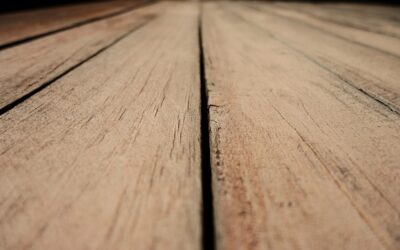
The traditional southern front porch was built from 5/4-inch tongue-and-groove pine, painted gray every five years, and replaced board-by-board after every wet decade. Azek porch flooring changed that math by introducing solid cellular PVC boards in the same T&G profile, sold under the Porch by AZEK line. After installing it on a screened wraparound in coastal North Carolina, I can confirm the marketing claims about rot resistance — but the install requires details that don’t apply to wood, and skipping them creates problems that won’t show up until year three.
What Azek Porch Flooring Is
The product is solid cellular PVC — closed-cell foamed plastic — extruded into 1-inch by 5.5-inch tongue-and-groove boards in 12-foot and 16-foot lengths. The face shows a brushed wood-grain texture in colors like Brownstone, Weathered Teak, and Slate Gray. Unlike composite decking (wood fiber plus plastic), Azek contains no wood, so it cannot rot, swell, or feed mold.
Pricing in 2026 runs $7.50 to $11.50 per linear foot for the boards, which works out to roughly $16 to $25 per square foot installed. That’s significantly above traditional pine T&G ($6-$10 installed) and above composite alternatives ($14-$20), but below mahogany or ipe T&G ($22-$32).
With your porch floor looking fresh, it’s worth thinking about the finishing touches. A porch swing is a classic addition, and a retractable awning helps protect both the floor and your furniture from sun and rain.
We may earn a commission when you purchase through our links.
Pros That Justify the Premium
Lifetime in coastal humidity is the headline. Pine T&G porch boards in salt air typically need full replacement at 12-18 years and partial replacement annually. AZEK Porch comes with a lifetime limited warranty against rot, splitting, cracking, and termites. I have seen well-installed 12-year-old AZEK porches that look identical to year one.
- No painting, staining, or sealing required for life of the porch
- UV-protected color through the full thickness, not just the surface
- Installs over open or solid framing on 16-inch joist centers
- Compatible with hidden fasteners or face screws with plug system
- Slip-resistant texture rated for porches under cover
Maintenance is the other quiet win. Soap-and-water washing twice a year is the only routine care. No annual restain, no spring sanding, no rot inspection — that recovers 8-12 hours of homeowner labor every year, which compounds against the premium upfront cost over a 20-year hold.
The Cons Worth Hearing
Azek expands and contracts with temperature more than wood does. A 16-foot board can move 1/2 inch from a 20°F winter to a 95°F summer, and that movement either gets absorbed in correct expansion gaps or tears out the tongue-and-groove joints. Manufacturer specs require a 1/8-inch gap between butt joints when installed at 60°F or above — and that gets ignored on roughly half the installs I inspect.
Surface temperature also matters. Direct full-sun afternoon exposure on a dark color can push surface temperatures past 140°F, which is uncomfortable to bare feet and softens the cellular core enough to permanent-dent under heavy planters. Specify Azek for covered porches, not exposed decks. Their TimberTech composite line is the right call for full-sun applications.
The third issue is the squeak. PVC T&G installed too tight against framing can develop seasonal squeaks at the joist contact points. Pre-drilling and using stainless deck screws to engage every joist properly mitigates this, but field-cut boards installed by drywall screws into a single bead of construction adhesive will squeak by year two.
Where AZEK Porch Belongs
Covered front porches, screened wraparounds, three-season rooms, and porte cocheres are the best fits. Coastal homes within 10 miles of saltwater are particular winners — the rot, mold, and insect resistance saves more on long-term replacement than the material costs upfront. Mountain homes with heavy snow loads also do well because the PVC ignores moisture cycling that punishes wood.
Avoid AZEK Porch on uncovered decks (use TimberTech instead), pool surrounds with constant chlorine spray (a different cellular PVC formulation is needed), and any application where boards run longer than 16 feet without an expansion break.
Installation Specs That Make or Break It
- Joist spacing: 16 inches on center maximum for residential, 12 inches for commercial
- Fasteners: #8 or #10 stainless steel deck screws through pre-drilled pilot holes
- Expansion gaps: 1/8 inch at butt joints, 1/4 inch at perimeter walls
- Tongue and groove: Drive each plank tight to the previous, never gap
- Cuts: Use a 60-tooth carbide blade for clean edges that don’t fuzz
- Acclimation: 24 hours on site before installation
- Glue: Use AZEK-approved adhesive (PVC trim adhesive) on butt joints, never construction adhesive
Cost Comparison Across Porch Materials
For a 12-foot by 24-foot covered porch (288 sq ft), expect installed costs in 2026: pressure-treated pine T&G $1,700-$2,900; mahogany T&G $5,800-$9,200; ipe T&G $7,800-$11,500; AZEK Porch $4,600-$7,200; TimberTech composite $4,000-$5,800. The ipe and mahogany have lower upfront cost than AZEK only when finishing and refinishing labor is excluded — over 20 years, AZEK pulls ahead.
Cleaning and Maintenance Reality
Twice-yearly wash with a soft brush, mild dish soap, and a garden hose. Pressure washing under 1,500 PSI from 12 inches away is acceptable; closer or higher pressure fuzzes the surface texture. Avoid bleach near plants but is otherwise fine on the boards. For sticky pine sap from overhead trees, use Krud Kutter or AZEK’s branded cleaner — never a citrus solvent, which can soften the surface.
Is AZEK Porch Flooring Worth Buying
For covered porches in any humid US climate, especially coastal and southeast regions, yes — the lifetime warranty and zero-refinish maintenance pay back the upfront premium within 8-12 years. Match the install spec exactly, choose lighter colors for sun-adjacent porches, and skip it for fully exposed decks where the engineered composite line is the correct product. Done right, AZEK porch flooring outlasts every other porch material on the market today.
Prefer to explore on your own?
See how new flooring looks in your actual room in seconds — free, no signup.
Try the free Floor Studio →