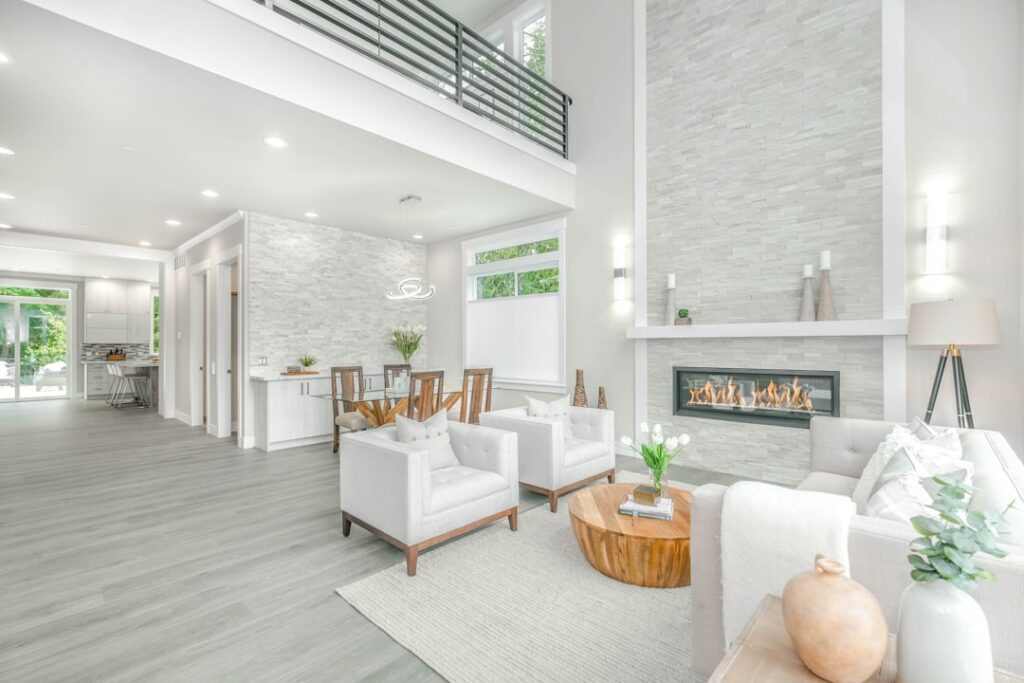
Bali roller shades are one of the most popular ways to add clean, modern light control to any room without the bulk of blinds or heavy drapes. Sold widely at home improvement retailers and online, they come in a broad range of fabrics, opacities, and lift options. This guide covers the styles, features, measuring, installation, and costs so you can choose the right shade with confidence.
- What Roller Shades Are
- Bali’s Fabric and Opacity Options
- Understanding Solar Shade Openness
- Lift Options: Corded, Cordless, and Motorized
- Measuring for Inside vs. Outside Mount
- Step-by-Step Installation
- How Much Bali Roller Shades Cost
- Energy and UV Benefits
- Cleaning and Maintenance
- Common Mistakes to Avoid
- Choosing Colors and Textures
- Dual and Layered Roller Shades
- Motorization and Smart Home Integration
- Warranty and Buying Tips
- Final Recommendation
What Roller Shades Are
A roller shade is a single, flat panel of fabric that wraps around a tube at the top of the window. Pulling the shade down covers the glass; raising it wraps the fabric back onto the roller, leaving a slim, tidy stack at the top. There are no slats to dust or cords running the length of the window, which gives roller shades a streamlined, contemporary look that suits modern and minimalist interiors.
Bali’s Fabric and Opacity Options
Bali offers roller shade fabrics across the full opacity spectrum, and choosing the right one is the most important decision:
- Sheer: Softly filters light and preserves an outside view while adding daytime privacy.
- Light filtering: Diffuses light for a warm glow while blocking direct glare; good for living rooms.
- Room darkening: Blocks most light for better privacy and sleep, though some light may leak at the edges.
- Blackout: Uses an opaque or coated fabric to block nearly all light, ideal for bedrooms and media rooms.
Bali also offers solar screen fabrics rated by openness percentage, from 1 percent for maximum glare and UV control up to 14 percent for a clearer view.
Understanding Solar Shade Openness
If glare and heat are your main concern, Bali’s solar roller shades are worth a look. The openness factor describes how tight the weave is. A 3 to 5 percent openness cuts strong glare and UV while keeping a hint of the view, while 10 to 14 percent openness preserves more visibility but lets in more light. Lower openness also improves daytime privacy but does little at night, when interior lights make the room visible from outside.
Lift Options: Corded, Cordless, and Motorized
Bali roller shades come with several control choices:
- Continuous cord loop: A beaded chain on one side raises and lowers the shade with smooth control, common on larger shades.
- Cordless: A spring mechanism lets you raise and lower by hand with no dangling cords, a safer choice for homes with children and pets.
- Motorized: A battery or hardwired motor operates the shade by remote, app, or voice through smart home platforms, ideal for hard-to-reach or numerous windows.
Cordless and motorized options meet the current best-practice guidance for child-safe window coverings.
Measuring for Inside vs. Outside Mount
Accurate measurement is critical. Decide first between an inside mount, which sits within the window frame for a clean recessed look, and an outside mount, which covers the frame for maximum light blocking and to make a window appear larger.
- For an inside mount, measure the exact width at the top, middle, and bottom, and use the narrowest. Measure height at left, center, and right, and use the longest. The factory makes small deductions for clearance.
- For an outside mount, measure the area you want to cover and add about 3 to 4 inches to the width and height for overlap and light control.
- Use a steel tape measure, record to the nearest eighth of an inch, and note whether your window has enough depth for an inside mount, typically at least 1 to 2 inches.
Step-by-Step Installation
- Hold the mounting brackets in position and mark the screw holes with a pencil.
- Drill pilot holes, then secure the brackets with the provided screws. For inside mounts, place brackets at the top corners of the frame.
- Snap or slide the roller tube into the brackets until it clicks into place.
- Attach the valance or cassette cover if your shade includes one to hide the roller.
- Test the operation, raising and lowering fully to confirm smooth movement.
- For cordless or motorized models, follow the included steps to set upper and lower limits.
Most roller shades install in 15 to 30 minutes with a drill and screwdriver.
How Much Bali Roller Shades Cost
Pricing depends on size, fabric, and lift type. Basic light-filtering roller shades often start around $30 to $70 per window for smaller sizes. Solar screen and blackout fabrics, larger windows, and cordless mechanisms push prices to roughly $70 to $180. Motorized roller shades typically run $150 to $350 or more per window depending on the motor and options. Custom sizing and premium fabrics add cost, but roller shades are generally among the more affordable custom window treatments.
Energy and UV Benefits
Roller shades do more than control light. Solar and room-darkening fabrics block a significant portion of ultraviolet rays, protecting flooring, furniture, and artwork from fading. Cellular and dual shades insulate better, but even a standard roller shade reduces solar heat gain in summer and adds a small insulating layer in winter, helping your HVAC work less. Blackout fabrics offer the most heat and light control for bedrooms.
Cleaning and Maintenance
Roller shades are low maintenance. Dust them regularly with a soft cloth, feather duster, or vacuum brush attachment on low suction. For spots, blot gently with a damp cloth and mild soap, then let the fabric dry fully before rolling it up to prevent water marks or mildew. Solar screen fabrics are especially easy to wipe clean. Avoid soaking the fabric or using harsh chemicals, which can damage coatings on room-darkening and blackout materials.
Common Mistakes to Avoid
- Measuring only once or in a single spot instead of at three points across the window.
- Choosing a light-filtering fabric for a bedroom and being disappointed by the light leak.
- Forgetting to check window depth before ordering an inside mount.
- Picking corded lifts for a child’s room instead of a cordless or motorized option.
- Overlooking openness percentage on solar shades and losing either the view or the glare control you wanted.
Choosing Colors and Textures
Beyond opacity, Bali offers a wide palette of colors, patterns, and textures that affect both looks and function. Light-colored fabrics reflect more heat and brighten a room, while darker fabrics absorb heat and provide crisper glare control and a cleaner view through solar screens. Textured and patterned fabrics add visual interest but can show dust more readily. When matching a room, consider the wall color, trim, and whether you want the shades to blend in or stand out. Ordering fabric samples before committing is wise, since screen colors rarely match the real material exactly.
Dual and Layered Roller Shades
For rooms that need both daytime view and nighttime privacy, Bali offers dual or day-night roller shades that combine two fabrics on a single system. Typically one layer is a sheer or solar fabric for daytime use and the other is a room-darkening or blackout fabric for evenings, and you switch between them as needed. This layered approach gives you the flexibility of two shades in one, which is especially useful in bedrooms, living rooms, and home offices where light needs change dramatically from day to night.
Motorization and Smart Home Integration
Motorized Bali roller shades can transform how you use a room. Battery-powered or hardwired motors let you raise and lower shades with a remote, wall switch, or smartphone app, and many integrate with smart home systems for voice control and scheduling. You can program shades to lower at sunset to save energy and add privacy, or rise in the morning as a gentle wake cue. Motorization is especially valuable for tall, wide, or hard-to-reach windows, and for households that want an all-cordless setup for child safety.
Warranty and Buying Tips
Bali roller shades typically come with a limited warranty covering defects in materials and workmanship, so keep your order details and register the product if requested. When buying, order fabric samples first, measure each window individually rather than assuming they are identical, and double-check your inside-versus-outside mount choice against the recess depth. Watch for seasonal promotions, which can meaningfully lower the cost of a whole-house order, and consider phasing rooms if the budget is tight, starting with the most sun-exposed or most-used spaces.
Final Recommendation
Bali roller shades offer a versatile, budget-friendly path to modern light control, with fabric opacities from sheer to blackout and lift options from corded to fully motorized. The keys to a great result are choosing the right opacity for each room, measuring carefully for inside or outside mount, and picking a cordless or motorized lift for safety around kids and pets. Get those details right and you will enjoy clean-looking, easy-to-use shades that control light, glare, and privacy for years.