Solar roller shades are single-panel window coverings made from a woven mesh fabric that blocks glare and UV rays while preserving your view to the outside. They roll neatly onto a tube at the top of the window and are prized in modern homes and offices for their clean look and heat control. This guide explains openness factors, sizing, cost and how to pick the right shade for each room.
- How Solar Shades Work
- Understanding Openness Factor
- UV and Heat Protection
- Fabric Color Matters
- Manual vs Motorized
- Measuring Your Windows
- What Solar Roller Shades Cost
- Room-by-Room Recommendations
- Hardware and Options to Consider
- Room Darkening Limits
- Energy Performance Numbers
- Installation Basics
- Solar Shades vs Other Window Treatments
- Dual and Layered Shade Systems
- Motorization and Smart Home Control
- Common Buying Mistakes
- Care and Longevity
How Solar Shades Work
The fabric is a tight weave of vinyl-coated polyester with tiny, evenly spaced holes. Those holes let filtered light and a view pass through while the material reflects and absorbs solar heat and ultraviolet radiation. Unlike blackout shades, solar shades are meant to reduce glare and heat without fully darkening a room.
Understanding Openness Factor
Openness factor is the single most important spec. It measures the percentage of the fabric that is open weave versus solid, and it controls the trade-off between view and privacy or heat blocking.
- 1% openness: Maximum glare and UV blocking, strongest privacy, dimmest view. Great for media rooms and hot west-facing windows.
- 3% openness: The most popular all-around choice. Good glare control with a usable view.
- 5% openness: Brighter, clearer view but less heat and glare reduction. Best for shaded or north-facing windows.
- 10% openness: Preserves the most view; minimal privacy and heat control.
Remember that daytime privacy on solar shades is one-directional: you can see out, but at night with interior lights on, people can see in. For nighttime privacy, layer with drapes or add a dual roller with a blackout shade.
UV and Heat Protection
A 3% solar shade typically blocks 95% or more of UV rays, protecting hardwood floors, artwork and furniture from fading. A 1% shade can block up to 99%. On heat, solar shades reduce solar heat gain, easing the load on your air conditioner. Darker fabrics absorb more heat but give a sharper view out, while lighter fabrics reflect more heat but can slightly wash out the view.
Fabric Color Matters
Color changes both performance and appearance:
- Dark fabrics (charcoal, bronze): Best view clarity and glare reduction, but absorb more heat.
- Light fabrics (white, ivory): Reflect more solar heat and brighten a room, but reduce outward visibility and can glare.
- Dual-sided fabrics: Light-colored exterior to reflect heat and a dark interior for a clear view, offering the best of both.
Manual vs Motorized
Solar shades come with a continuous-loop bead chain, a cordless spring mechanism, or a motor. Motorized shades add $150 to $300 per window but allow scheduling, remote control and integration with smart home systems so shades lower automatically during peak afternoon sun. Cordless and motorized options are safer in homes with children and pets since there are no dangling cords.
Measuring Your Windows
- Decide mount type: Inside mount sits within the window frame for a clean look; outside mount covers the whole opening and blocks more light.
- Inside mount width: Measure the exact opening width at top, middle and bottom; use the narrowest. The factory deducts for clearance.
- Inside mount height: Measure left, center and right; use the longest.
- Outside mount: Add 2 to 3 inches on each side and top for overlap and light control.
- Check depth: Inside mounts usually need at least 1.5 to 2.5 inches of frame depth for the roller tube.
What Solar Roller Shades Cost
Prices vary by size, fabric and operation:
- Budget manual shades: $40 to $90 per standard window.
- Mid-range custom shades: $100 to $200 per window.
- Motorized custom shades: $250 to $500 or more per window.
Professional installation adds roughly $35 to $100 per shade, though DIY mounting takes only a drill and about 20 minutes each.
Room-by-Room Recommendations
- Living room with a view: 3% or 5% in a dark fabric to keep the view while cutting glare.
- Home office with a monitor: 1% or 3% to kill screen glare.
- West-facing rooms: 1% dark fabric for maximum afternoon heat control.
- Bedrooms: Pair a 3% solar shade with a separate blackout shade or drapes for sleep.
Hardware and Options to Consider
Beyond the fabric and openness, several hardware choices affect the finished look. A cassette or fascia is a valance that hides the roll of fabric at the top for a clean, finished edge, versus an exposed roll that shows the tube. A bottom hem bar can be sealed inside the fabric for a minimal look or exposed as an aluminum bar for weight. Reverse roll lets the fabric come off the back of the tube closer to the glass, reducing the light gap on the window side. These small upgrades add $20 to $60 per shade but noticeably improve appearance and light control.
Room Darkening Limits
It is important to set expectations: even a 1% solar shade is not a blackout shade. The tight weave blocks glare and most UV, but light still passes through the tiny openings and around the edges, so a bedroom fitted only with solar shades will not be dark enough for many sleepers. If darkness is the goal, either add a blackout liner in a dual system or choose a separate blackout shade or lined drapery. Solar shades are purpose-built for glare, heat and UV control with a view, not for total darkness.
Energy Performance Numbers
Solar shades are rated by openness factor and by their solar performance, sometimes expressed through metrics like solar transmittance, reflectance and absorptance, which together add to 100%. A light-colored 3% fabric might reflect 50% or more of solar energy, keeping heat out, while a dark 3% fabric reflects less and absorbs more but gives a sharper view. Blocking UV at 95% to 99% protects hardwood floors, rugs, artwork and upholstery from fading, which alone can justify the cost in sun-drenched rooms with valuable furnishings. On hot west and south exposures, solar shades measurably reduce cooling load during peak afternoon hours.
Installation Basics
Most solar shades install like any roller shade: mount the brackets to the frame or wall, snap in the tube, and attach the chain tensioner or motor. Use a level, pre-drill pilot holes, and anchor into the frame or into wall studs for heavier or wider shades. Test the roll for even tracking before finalizing.
Solar Shades vs Other Window Treatments
- vs Blackout shades: Solar shades preserve a view and cut glare but never fully darken a room; choose blackout for bedrooms and media rooms, or layer the two.
- vs Cellular shades: Cellular shades insulate better with their honeycomb air pockets, while solar shades win on view retention and glare control.
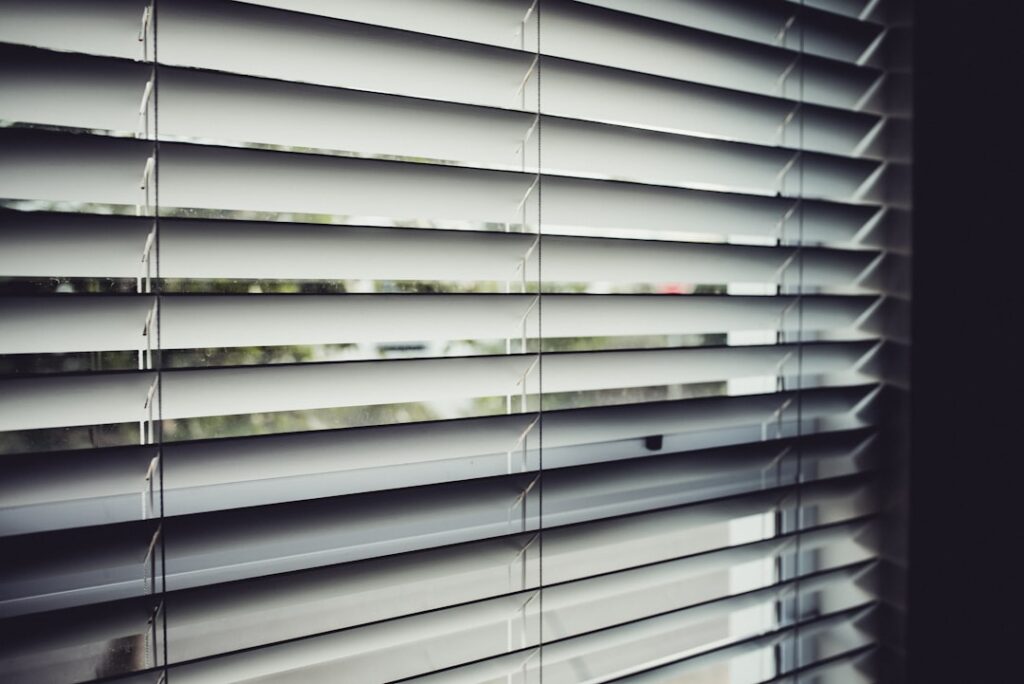
- vs Blinds: Blinds tilt for adjustable light but leak sun between slats and offer no consistent UV screen; solar shades give even, uninterrupted coverage.
- vs Drapes: Drapes add softness and full darkness but block the view entirely; many homeowners pair solar shades with drapes for daytime view and nighttime privacy.
Dual and Layered Shade Systems
Because solar shades do not provide nighttime privacy, a popular solution is a dual roller system: two shades on one bracket, a solar shade for daytime glare and view, and a blackout or room-darkening shade behind it for evenings and sleep. This layered approach lets one window handle every lighting situation. Expect dual systems to add $80 to $200 per window over a single shade, but they eliminate the need for separate drapery and give complete control from bright afternoon to full dark.
Motorization and Smart Home Control
Motorized solar shades shine on large or high windows and in whole-home glare management. Battery-powered motors run for months per charge, and an optional small solar charging strip keeps them topped up. Tie them into Alexa, Google Assistant or a hub and you can schedule shades to lower during the hottest afternoon hours, reducing solar heat gain and cooling costs automatically. For a wall of west-facing windows, coordinated motorized shades that drop together at 2 p.m. can noticeably lower room temperature and protect furnishings from fading.
Common Buying Mistakes
- Choosing openness by price alone: A 10% shade is cheaper-looking but blocks little heat; match openness to the window’s exposure.
- Expecting nighttime privacy: Remember the effect reverses after dark; plan a layered treatment if the room needs evening privacy.
- Skipping the depth check: Inside mounts need enough frame depth for the tube; measure before ordering.
- Going too light in a bright room: White fabrics can glare and wash out the view; a darker fabric often gives better real-world comfort.
Care and Longevity
The vinyl-coated mesh resists dust and cleans with a soft brush attachment or a damp cloth. Avoid harsh solvents that can degrade the coating. Quality solar shades last 7 to 10 years or more; motors typically carry a separate multi-year warranty.
In summary, solar roller shades give you glare control, UV protection and a preserved view in one clean-lined window treatment. Choose your openness factor and fabric color for each room’s exposure, plan for nighttime privacy with a layered treatment, and decide between manual and motorized operation to match your budget and comfort goals.