The bathroom packs more plumbing, moisture, and daily wear into a tiny footprint than any other room in the house, which is exactly why it generates a steady stream of headaches. Most bathroom problems share the same root causes: water going where it shouldn’t, drains clogging, or seals failing over time. The good news is that catching the small issues early, a slow drain or a hairline crack in the grout, prevents the expensive ones like rotted subfloor and mold remediation that can run thousands of dollars. Here’s how to diagnose and fix the most common ones.
Leaks: The Silent Damage Maker
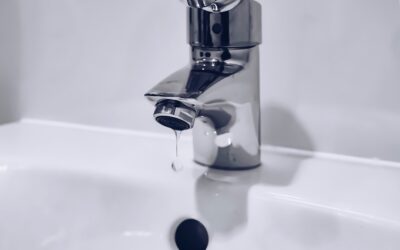
A dripping faucet wastes up to 3,000 gallons a year, but the leaks that really cost you are the hidden ones. Water seeping around a toilet base, behind a vanity, or under the tub can rot subfloor and feed mold for months before you notice a soft floor or a stain on the ceiling below. Check around your toilet’s base for moisture, inspect supply lines for corrosion, and watch for caulk that has pulled away from the tub.
A failing wax ring under the toilet is a frequent culprit and costs only $5 to replace, though the labor of pulling and resetting the toilet takes an hour. If you spot a leak you can’t trace, shut off the fixture’s supply valve and call a plumber before the damage spreads.
Slow and Clogged Drains
Hair, soap scum, and toothpaste build a sticky plug in bathroom drains over time. Before reaching for caustic chemical cleaners, which can corrode older pipes, try a drain snake or a $3 plastic zip tool that pulls out hair clogs in seconds. For organic buildup, pour half a cup of baking soda followed by a cup of white vinegar, wait 15 minutes, then flush with boiling water.
If multiple drains back up at once, the problem is likely in your main line, not the fixture. That’s a call for a professional with a motorized auger.
Mold and Mildew
Bathrooms hover at high humidity, and any surface that stays damp invites mold within 24 to 48 hours. The fix is ventilation: run an exhaust fan rated for your room size (1 CFM per square foot) for at least 20 minutes after every shower. Existing mold on grout and caulk responds to a spray of equal parts water and white vinegar, or a diluted bleach solution for stubborn black spots.
- Squeegee glass doors after showering to cut surface moisture
- Replace cracked caulk annually to block water entry
- Keep humidity below 50% with a fan or small dehumidifier
Running Toilets and Weak Flushes
A toilet that runs constantly usually has a worn flapper, a $5 part you can swap in 10 minutes. If the tank fills but the flush is weak, mineral deposits may be clogging the rim jets; clear them with a wire and a vinegar soak. A toilet that rocks when you sit signals loose floor bolts or a deteriorating flange, both of which let sewer gas and water escape.
Cracked Grout and Loose Tile
Grout is the first line of defense against water reaching your subfloor, and it cracks as a house settles and tiles shift. Regrouting a small section costs under $20 in materials and a couple hours of work. Loose or hollow-sounding tiles need attention fast, because water that gets behind them can delaminate an entire wall.
Low Water Pressure and Temperature Issues
A faucet or showerhead that’s lost its punch is usually clogged, not broken. Mineral scale builds inside the aerator and shower jets, especially in hard-water areas. Unscrew the aerator and soak it in white vinegar overnight, or tie a vinegar-filled bag around the showerhead, to dissolve the buildup and restore flow for free. If pressure drops throughout the house, the problem may be a failing pressure regulator or a partially closed main valve.
Water that runs cold too fast or never gets hot enough points to the water heater. Sediment in the tank, a failing heating element, or a thermostat set below 120°F are the usual suspects. Flushing the tank once a year clears sediment and extends the heater’s life.
Poor Ventilation and Peeling Paint
If your bathroom paint bubbles, the mirror fogs for an hour, or the ceiling shows water stains, ventilation is failing. An undersized or vent-less exhaust fan lets moisture sit on every surface. Upgrade to a fan rated for your square footage and confirm the duct actually exits through the roof or a wall, not just into the attic. Using moisture-resistant, semi-gloss paint in the bathroom also helps surfaces shed humidity instead of absorbing it.
Caulking and Sealing Trouble Spots
Caulk is cheap insurance, and failing caulk causes an outsized share of bathroom problems. Inspect these high-risk seams and re-seal any that have cracked, shrunk, or discolored:
- Tub-to-tile and tub-to-floor joints: the most common leak path
- Around the base of the toilet: seals out splashes and shows leaks early
- Sink-to-countertop and backsplash edges: blocks water from the cabinet
- Window and shower-door frames: stops water reaching the wall cavity
Use a 100% silicone caulk rated for kitchens and baths; it stays flexible and resists mold far better than cheaper acrylic-latex versions.
Odors and Sewer Gas
A persistent sewer smell in the bathroom usually traces to a dry P-trap or a failing wax ring. The P-trap under each drain holds a small amount of water that blocks sewer gas; in a rarely used sink or shower, that water evaporates and lets gas seep in, so simply running water for 30 seconds refills the trap. If the smell lingers near the toilet, a deteriorated wax ring or a cracked vent pipe may be the cause. Both are fixable, but sewer gas can be hazardous, so don’t ignore it.
Musty rather than sulfurous odors typically point to mold or trapped moisture behind tile or under the vanity, which ties back to ventilation and caulk maintenance.
Prevention Beats Repair Every Time
Most bathroom problems are cheaper to prevent than to fix. Run your exhaust fan, recaulk yearly, snake drains before they fully clog, and inspect under sinks every few months for early drips. A 15-minute seasonal check, looking at supply lines, caulk lines, and the toilet base, catches the vast majority of issues while they’re still a $5 fix rather than a $5,000 one. Stay ahead of the moisture, and your bathroom will stay watertight for decades.