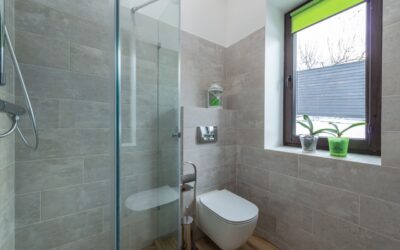
A window inside the shower floods the space with light and makes a small bathroom feel like a spa, but it also puts a hole in your wall right where water sprays daily. Done correctly, bathroom windows in shower walls last for decades; done carelessly, they rot framing, breed mold, and invite costly water damage. The difference is entirely in the waterproofing, materials, and detailing. Here is an honest look at how to make a shower window work and where the real risks lie.
Part of our Bathroom Remodeling & Flooring guide — explore the full guide →
- The Core Challenge: Water and Wood Do Not Mix
- Choose a Waterproof Frame Material
- Slope the Sill So Water Drains Out
- Waterproof Behind the Tile: Flashing and Membrane
- Privacy and Glass Options
- Managing Mold and Humidity
- Caulking and Sealing Details
- Alternatives if a True Window Is Risky
- Ventilation Is Part of the System
- Should You Put a Window in Your Shower?
The Core Challenge: Water and Wood Do Not Mix
A shower window sits in a constantly wet, humid zone. Any water that gets behind the tile or past the frame finds the wall cavity, where it rots wood framing and feeds mold you cannot see until it is severe. Every decision, from the frame material to the slope of the sill, exists to keep water moving out and away rather than soaking in. If you take nothing else from this guide, take that the waterproofing details matter far more than the look.
Choose a Waterproof Frame Material
Wood-framed windows do not belong in a shower. Even sealed and painted, wood eventually absorbs moisture, swells, and rots in this environment. Choose a frame that shrugs off water.
- Vinyl frames: Affordable, fully waterproof, and a common choice for shower windows.
- Fiberglass frames: Strong, stable, and water-resistant, with a more premium feel.
- Composite frames: Engineered to resist moisture and warping.
- Block windows: Glass block walls eliminate a frame in the wet zone entirely and offer built-in privacy.
Aluminum is durable but can sweat with condensation, so vinyl and fiberglass remain the safest practical picks for a wet wall.
Slope the Sill So Water Drains Out
A flat windowsill in a shower holds standing water, which is the fastest path to rot and mold. The sill must be sloped, pitched downward toward the shower interior, so water runs off rather than pooling. Tile the sill with this slope built into the mortar bed, and use a single piece of stone or a properly pitched tiled surface rather than a flat ledge. A sloped, sealed sill is non-negotiable for a window that survives.
Waterproof Behind the Tile: Flashing and Membrane
The most critical work happens out of sight. Before tile goes up, the window opening must be integrated into the shower’s waterproofing system. That means proper flashing at the window, lapped so water sheds outward, and a continuous waterproofing membrane that ties the window into the surrounding wall protection. Liquid-applied membranes and waterproof board systems are designed exactly for this, sealing the rough opening so any water that reaches it cannot enter the framing.
This is detailed, unforgiving work. If you are not experienced with shower waterproofing, this is the stage to hire a qualified tile or waterproofing professional. A beautiful tile job over failed flashing will leak invisibly for years before the damage shows.
Privacy and Glass Options
A clear window in a shower offers no privacy, so most homeowners choose a glazing that lets in light while obscuring the view.
- Frosted or obscure glass: Built-in privacy and light, a popular factory option.
- Textured or patterned glass: Rain, reed, or seeded patterns add style and privacy.
- Glass block: Maximum privacy with a soft, diffused light.
- Applied window film: A retrofit option for an existing clear window.
For a window facing neighbors, choose obscure glazing rather than relying on a blind or curtain that will get soaked and grow mildew.
Managing Mold and Humidity
Even a perfectly waterproofed shower window needs help fighting mold. Condensation collects on the glass and frame, and a sloped sill still gets wet daily. A few habits keep mold at bay: run the exhaust fan during and after every shower, wipe down the sill and glass with a squeegee or cloth, and inspect the caulk and grout around the window periodically. Re-caulk with a mildew-resistant silicone the moment you see a gap. Trapped moisture, not occasional spray, is what grows mold over time.
Caulking and Sealing Details
Seal every joint where the window meets tile with a quality mildew-resistant silicone, not paintable latex caulk, which fails in wet zones. Pay special attention to the corners of the sill and the bottom of the frame, where water lingers. Inspect these seals at least once or twice a year and re-seal at the first sign of cracking or mildew. Good caulk maintenance is cheap insurance against expensive hidden damage.
Alternatives if a True Window Is Risky
If the water-intrusion risk gives you pause, several alternatives deliver light without putting an operable window in the spray zone. Glass block panels bring in diffused light with no frame to fail and built-in privacy. A skylight or solar tube routes daylight from the roof into the bathroom without a wall opening in the wet area. A transom window placed high above the shower, outside the direct spray, lets in light and ventilation while keeping the most vulnerable detailing away from the worst of the water.
You can also relocate a planned window to the dry side of the bathroom and rely on a quality exhaust fan for ventilation. These options sidestep the hardest waterproofing while still solving the dark-bathroom problem that drives most shower-window requests.
Ventilation Is Part of the System
A window alone is not a substitute for mechanical ventilation, and relying on it can backfire. People rarely open a shower window mid-shower in cold weather, so an exhaust fan does the real work of clearing humidity. Install a properly sized fan vented to the outside, not into the attic, and run it during and after every shower. Good ventilation lowers the ambient moisture that feeds mold around the window and throughout the bathroom, protecting both the window detailing and the rest of the room.
Should You Put a Window in Your Shower?
Honestly, it depends on your tolerance for detailing and maintenance. A shower window delivers wonderful light and ventilation, and millions function fine for decades. But it is a genuine water-intrusion risk that demands waterproof frames, a sloped sill, correct flashing and membrane, privacy glazing, and ongoing seal upkeep. If you are renovating, build it right with professional waterproofing from the start. If you have an existing wood-framed window in a shower, watch it closely for any sign of rot, and budget to upgrade it. Treated with respect, bathroom windows in shower walls are a feature, not a liability.