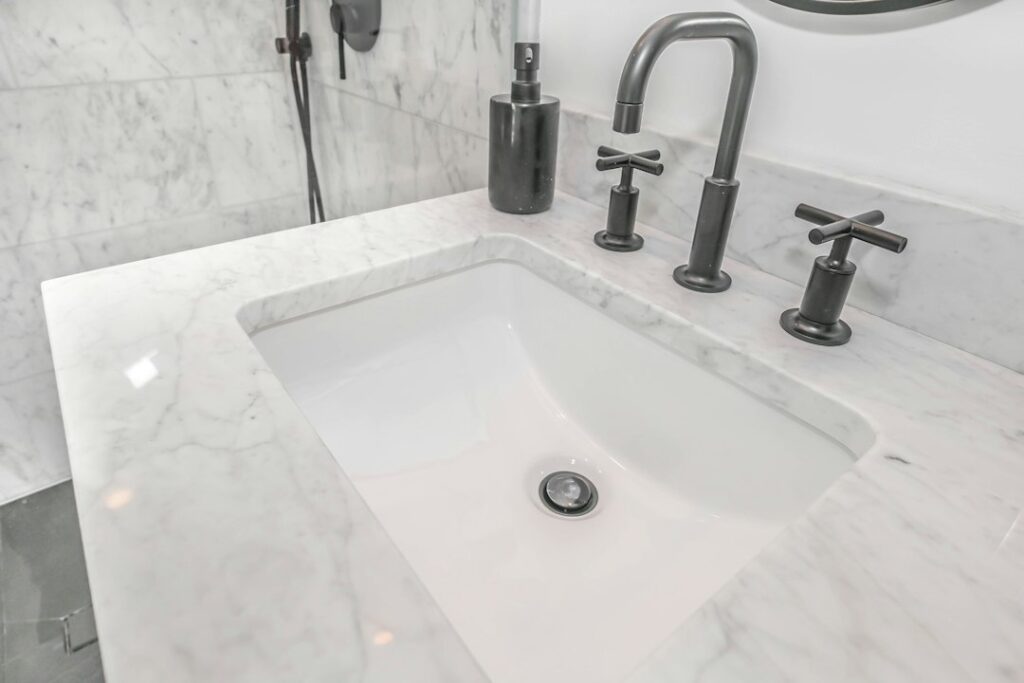
That small slot near the top of your sink isn’t a design accident, and it isn’t optional. The bathroom sink overflow serves two functions — preventing flooding when the drain is closed, and pulling air into the drain line for better flow. When it stops working, you end up with foul odors, slow draining, or a sink that overflows onto the vanity in 90 seconds flat. This guide covers how the overflow actually works, why it gets gross, and the realistic fixes for each common problem.
Part of our Bathroom Remodeling & Flooring guide — explore the full guide →
- How the Overflow Actually Works
- Why It Smells
- How to Clean an Overflow Channel Properly
- When the Sink Drains Slowly Despite the Overflow Being Clear
- Sealing a Cracked Overflow
- What If Your Sink Doesn't Have an Overflow?
- Replacing the Overflow Cover Plate
- Preventing Future Overflow Issues
- When to Call a Plumber
How the Overflow Actually Works
The overflow hole connects to a hidden channel that runs down the back of the basin to a tee fitting just above the drain trap. When water rises to the overflow level (usually 1 to 1.5 inches below the rim), it spills into the channel and rejoins the drain line through that tee. The water never touches the cabinet floor below.
The second function matters even more in daily use. When water drains, it pushes air out of the pipe. Without an air inlet, you get the same effect as plugging your finger over a straw — flow slows to a trickle and you get gurgling sounds. The overflow channel lets air enter as water leaves, keeping drainage smooth.
Why It Smells
The overflow channel is dark, damp, and rarely cleaned. Soap scum, toothpaste, hair, and skin cells coat the inside of the channel. Bacteria grow on this biofilm and produce sulfur compounds — that’s the rotten egg or musty sock smell coming from your “clean” sink.
This is by far the most common bathroom sink overflow complaint. The fix is mechanical cleaning, not just running water through it.
How to Clean an Overflow Channel Properly
Step-by-step deep clean that handles 95% of odor cases:
- Plug the drain with the stopper or a rubber plug
- Pour 1 cup baking soda into the overflow hole — use a funnel ($1) to avoid spilling
- Follow with 1 cup white vinegar slowly. It will foam aggressively, which is what you want.
- Let it sit 15 minutes
- Boil a kettle of water and pour into the overflow slowly
- Use a small flexible brush — a long-handled bottle brush or aquarium tubing brush ($6) — and scrub inside the channel
- Rinse with another kettle of hot water
For severe biofilm, a $4 pipe brush sold as an “overflow brush” or an aquarium cleaning brush threads down the channel. Scrub vigorously, then flush with diluted bleach (1 part bleach, 4 parts water). Rinse thoroughly afterward.
When the Sink Drains Slowly Despite the Overflow Being Clear
Slow drain plus a clean overflow points to a clog further down — usually in the P-trap under the sink. Remove the trap (place a bucket under it first), dump and clean it, then reinstall with hand-tight fittings plus a quarter turn.
If the trap is clean and water still drains slowly, snake the line. A $15 hand snake reaches 10-15 feet into the wall drain. For longer obstructions, a power auger handles up to 50 feet.
Sealing a Cracked Overflow
Older porcelain and ceramic sinks sometimes develop hairline cracks at the overflow opening. Water seeps into the cabinet below — usually noticed first as a wet smell or a swelling cabinet base.
For small cracks:
- Clean and dry the area thoroughly
- Apply 100% silicone caulk to the inside of the overflow hole with a small brush or your finger (gloved)
- Smooth into the crack, then wipe excess
- Cure 24 hours before using the sink
For larger cracks or breaks at the overflow seat, the sink usually needs replacement. Sink basins crack from clamping the drain too tight during install or from sudden temperature shock (hot water on cold porcelain in winter).
What If Your Sink Doesn’t Have an Overflow?
Some modern vessel sinks and certain modern designs omit the overflow entirely. These require a specific drain assembly called a “non-overflow drain” or “grid drain.” Standard drains with the overflow channel inlet won’t seal properly on these sinks and will leak from the side ports.
If you’ve installed an overflow drain on a non-overflow sink, swap it for a grid drain ($30-$80). The grid drain has no side openings and seals flat against the basin bottom.
Replacing the Overflow Cover Plate
The small chrome or plastic plate over the overflow opening can corrode, especially in homes with hard water. Most are friction-fit and pull straight out with a flathead screwdriver pry. Buy a replacement at any plumbing supply for $4-$12. Match the size and finish — most sinks use a 1.25 inch diameter cover, but some European brands use 1.5 inch.
Clean the seat behind the cover before installing the new one. Calcium buildup keeps the new cover from sitting flush.
Preventing Future Overflow Issues
The overflow is one of the most-neglected parts of a bathroom. Add it to a quarterly cleaning routine:
- Pour 1/2 cup baking soda followed by 1/2 cup vinegar through the overflow every 3 months
- Flush with hot water
- Brush the channel once a year
- Check for water in the cabinet below quarterly
This 5-minute routine keeps the overflow odor-free and prevents biofilm accumulation that takes hours to remove once established.
When to Call a Plumber
Most overflow issues are DIY. But certain symptoms warrant a pro:
- Water coming back up through the overflow when the drain is open — points to a vent stack problem on the roof or a deep clog
- Sewer gas smell that persists after cleaning the overflow and trap — could indicate a dry trap somewhere else, a broken vent, or a cracked drain pipe in the wall
- Visible mold growing around the overflow on the underside of the sink rim
- Cracks extending from the overflow hole into the basin
A plumber visit costs $90-$200 for diagnosis. Compare to potential damage from a cracked vent line ($1,000-$3,000 repair) and the call is usually worth making early.