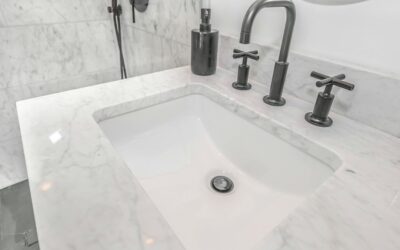
That small oval slot on the front or back of your bathroom sink bowl is not a design quirk — it is one of the most misunderstood plumbing features in the house. Most people never think about the sink overflow until it starts leaking under the counter, smelling like rotten eggs, or gurgling when the sink drains. Knowing what it does, how to keep it clean, and when it is actually broken prevents the kind of slow water damage that rots vanities from the inside out.
- What the Overflow Actually Does
- How the Overflow Channel Is Built
- Why the Overflow Smells Bad
- How to Clean Out the Overflow Channel
- When the Overflow Leaks Into the Vanity
- Is the Overflow Clogged?
- Backflow and Contamination Concerns
- Kitchen Fixtures Are Different
- Overflow Upgrades and Accessories
- When to Replace the Sink
What the Overflow Actually Does
The overflow serves two functions, and homeowners usually only know about one.
First, it prevents flooding. If the drain clogs and you leave the faucet running, water fills the bowl until it reaches the overflow slot. Instead of cascading over the rim onto the vanity and floor, the excess water drains through a hidden channel inside the sink body and into the main drain below the trap. It is a last-ditch safety net.
Second — and this is the one almost no one knows — the overflow provides air to the drain. When water rushes down the bowl drain, it creates a partial vacuum behind it. The overflow channel lets air into the system so the drain pulls cleanly and doesn’t gurgle or slow down. Think of it like the little hole in the tip of a juice carton.
How the Overflow Channel Is Built
Inside the porcelain, ceramic, or stainless sink, a molded or welded channel runs from the overflow slot down to the drain tailpiece just above the P-trap connection. The channel is completely enclosed — water passing through it cannot escape into the vanity. That is critical to understand: a leak under the sink is almost never the overflow channel itself (unless the sink is physically cracked). It is almost always the drain tailpiece, trap, or supply lines.
Undermount and vessel sinks sometimes skip the overflow entirely. Check your specific model. Farmhouse sinks often have one; many high-end vessel sinks do not.
Why the Overflow Smells Bad
The number one complaint about these drain slots: a persistent musty or sewer-like odor. The cause is biofilm — a slimy mix of soap scum, hair, skin cells, toothpaste residue, and bacteria that accumulates in the enclosed channel where air and water circulate but no one ever cleans.
The channel creates the perfect dark, moist environment for bacteria. In bathroom sinks, the buildup is worse because of toothpaste, mouthwash, and cosmetic residues. Left alone for a year, the overflow channel can host active mold colonies that release spores into the bathroom every time the drain moves water.
How to Clean Out the Overflow Channel
Proper cleaning is a 15-minute job once per quarter. Here is the approach that actually works:
- Flush first: run hot tap water for 60 seconds down the drain. This softens biofilm in the channel.
- Brush the slot: use a stiff-bristle bottle brush or an overflow-specific brush ($6-10 on Amazon, roughly 10 inches long with a narrow profile). Insert through the overflow slot and scrub up and down. Pull out the hair and sludge that comes up with it.
- Baking soda and vinegar: pour 1/2 cup of baking soda into the overflow slot, followed by 1 cup of white vinegar. It will fizz and foam — good. Wait 15 minutes.
- Hot water flush: pour 2-3 quarts of boiling water into the overflow slot to wash out the loosened debris.
- Finish with enzyme cleaner: Bio-Clean or Zep Drain Care poured down both the overflow and the main drain. Leave overnight — enzymes digest the remaining organic matter while you sleep.
Repeat this every 3 months in a heavily used bathroom sink, every 6 months in a guest bath. If the smell persists after enzyme treatment, the problem is deeper — either the P-trap is dry, the vent is blocked, or there is a main-line issue upstream.
When the Overflow Leaks Into the Vanity
The overflow channel should never leak water onto the vanity floor. If it does, one of three things is happening:
- Crack in the sink body: porcelain and ceramic can hairline-crack from thermal shock or impact. The only fix is replacement — epoxy patches fail within months.
- Failed seal around the drain assembly: the pop-up drain is loosening. Pull it out, reapply plumber’s putty under the flange, re-tighten the nut below.
- Drain tailpiece leak: the connection between the drain and the trap loosened. Tighten the slip nut by hand plus 1/8 turn with channel locks.
Slide a dry paper towel under every connection, run water into the overflow by filling the bowl with the drain plugged, and watch where water appears. That identifies the leak point in 60 seconds.
Is the Overflow Clogged?
Signs of a clogged channel:
- Gurgling sound from the drain when water runs out
- Slow drain even after snaking the main drain line
- Water rising to the overflow slot during heavy faucet use and not leaving promptly
- Persistent odor that returns within a day or two of cleaning
If cleaning doesn’t fix it, the channel itself may have hard buildup or debris lodged in it. A flexible drain auger (1/4 inch) fed through the overflow slot can sometimes clear it. For severe cases, the only real fix is removing the sink to access the channel internally — at which point most homeowners just replace the sink.
Backflow and Contamination Concerns
The overflow connects the bowl to the drain line. In rare circumstances — a blocked main sewer, heavy rainwater infiltration, or a failed vent — drain water can back up through the overflow channel into the sink. Most building codes address this with proper venting requirements and the P-trap water seal, but old or poorly plumbed systems can have issues.
If you see dark water rising in the overflow slot, or smell sewer gas strongly from the overflow (not just biofilm funk), the problem is deeper in the system. Call a plumber — venting or main-line issues are not DIY territory for most homeowners.
Kitchen Fixtures Are Different
Kitchen sinks generally do not have traditional overflows. Instead, they use the garbage disposal drain and a loop vent or air admittance valve (AAV) to manage air flow. If your kitchen sink bowl has a small hole near the top rim, it is usually for a dish soap or sprayer, not overflow drainage. The dishwasher air gap on the counter serves a related but different purpose — preventing dishwasher drain backflow into the clean water supply.
Overflow Upgrades and Accessories
A few products make overflow maintenance easier:
- OXO Good Grips overflow brush ($8): narrow and stiff enough to reach the full channel
- Bio-Clean enzyme drain maintainer ($30 for 2 lbs): monthly use prevents biofilm from ever taking hold
- Overflow covers: small stainless or plastic snap-in covers that hide the slot for aesthetic reasons. Only use on little-used guest baths — they reduce drain airflow
When to Replace the Sink
Chronic overflow issues — hairline cracks, biofilm that won’t stay clean, persistent odor after every tested fix — often point to replacing the fixture. A decent new bathroom sink runs $75-200 at Home Depot, and swapping it takes 2-3 hours. Compare that to a plumber service call at $150-250 for diagnosis alone, and replacement is often the smarter move.
A well-maintained overflow slot is the kind of plumbing detail that works perfectly invisibly for decades. Quarterly cleaning, enzyme maintenance, and awareness of what it actually does are all it takes to keep yours out of your life — until you need it, when that forgotten slot saves you from a flooded vanity.