The difference between an ordinary wood floor and a genuinely stunning one rarely comes down to budget alone. Beautiful hardwood floors are the product of deliberate choices: the right species, a finish that flatters the grain, a plank width suited to the room, and an installation that disappears into the architecture. This guide walks through each of those decisions so you can create a floor that draws compliments for decades, not just on day one.
Start with the Right Species
Wood species sets the entire mood of a room. Each has a distinct grain, color, and hardness, and choosing well is the foundation of a beautiful floor.
- White oak: The current favorite. Its tight, even grain takes stain beautifully, and its cooler undertone suits modern and transitional homes. Hard enough (around 1,360 Janka) for busy households.
- Red oak: Warmer and more pronounced in grain, a timeless American classic that hides wear well.
- Hickory: Dramatic color variation and exceptional hardness (around 1,820 Janka), ideal for rustic and high-traffic spaces.
- Walnut: Rich, chocolate tones and a luxurious look, though softer and best for lower-traffic rooms.
- Maple: Smooth, subtle grain and a bright, clean appearance that suits contemporary interiors.
Choosing a Finish That Flatters
Finish controls both the look and the longevity of your floor. Matte and satin sheens have largely replaced high-gloss because they hide dust, scratches, and footprints far better while looking more natural and sophisticated. Oil-based finishes penetrate the wood for a warm, hand-rubbed depth, while modern water-based and hardwax-oil finishes offer durability with a low-sheen, natural feel. For a beautiful, current look, most designers steer clients toward matte or low-satin finishes that let the wood, not the shine, be the star.
Color and Stain Strategy
Stain can transform a floor, but restraint usually wins. Light, natural tones make rooms feel larger and brighter and pair with almost any decor. Mid-tone browns offer warmth and versatility, while deep espresso and ebony floors look dramatic but reveal dust and scratches more readily. If you want longevity in your look, lean toward natural and mid-tone finishes that age gracefully and stay in style longer than trend-driven grays or near-black stains.
Plank Width and Layout
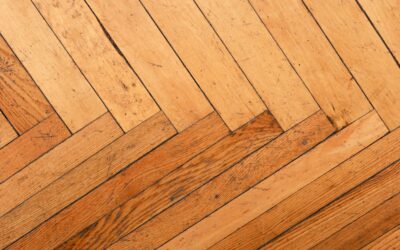
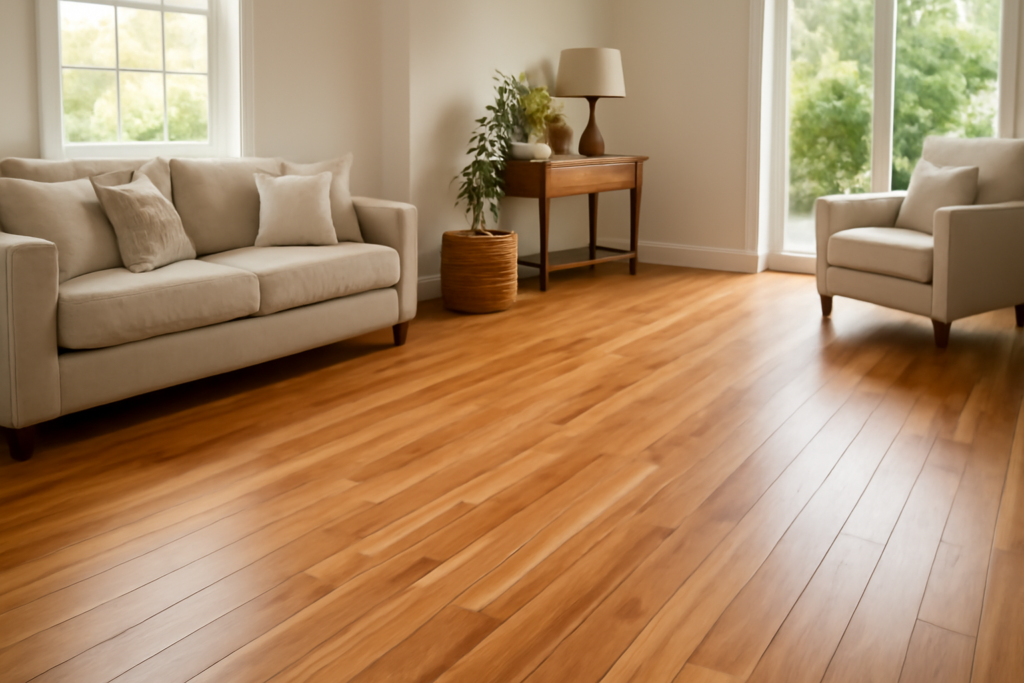
Plank width has an outsized effect on how refined a floor looks. Wide planks, generally 5 to 8 inches, read as modern, luxurious, and calm because there are fewer seams across the room. Narrow strips, around 2 to 3 inches, feel more traditional. For a beautiful result, match the width to your space and ceiling height, then run the planks parallel to the longest wall or toward the main light source to make the room feel larger.
Solid vs Engineered for Beauty and Stability
Both can look identical on the surface, so the choice is about your subfloor and climate. Solid hardwood can be refinished many times over a lifetime, making it ideal if you want a floor you can renew for generations. Engineered hardwood, with its stable layered core, resists humidity movement and installs over concrete slabs and in basements where solid wood cannot go. A thick-veneer engineered plank delivers the same surface beauty with far more versatility.
Installation Details That Make the Difference
The most beautiful floors hide their craftsmanship. Sweat these details:
- Acclimate the wood in the room for several days so it does not gap or cup after installation.
- Insist on a flat, dry subfloor; even small dips telegraph through and cause squeaks.
- Stagger end joints randomly for a natural, high-end look rather than a stepped pattern.
- Mix planks from several boxes as you go to blend color and grain evenly across the floor.
- Use tight, consistent expansion gaps hidden by baseboards and quarter-round.
Keeping Them Beautiful
A stunning floor stays that way only with the right care. Sweep or vacuum regularly to remove grit, the main culprit behind scratches, and clean with a product made specifically for hardwood, never a steam mop or excess water. Place felt pads under furniture legs, use rugs in high-traffic zones and entries, and wipe spills immediately. Plan to refresh a screen-and-recoat every several years to renew the finish before deeper damage requires a full sanding.
Texture and Surface Treatments
Beyond color and sheen, surface texture adds character that flat, glossy floors lack. Wire-brushed flooring, where the soft grain is gently scraped away to highlight the harder grain, brings subtle dimension and conveniently hides minor scratches and everyday wear, making it a favorite in homes with kids and pets. Hand-scraped finishes deliver a rustic, artisanal look with gentle undulations across each board. Smooth finishes, by contrast, read as sleek and contemporary. Choosing the right texture is as much about lifestyle as looks; textured surfaces forgive daily life, while smooth ones show every mark.
Lighting and Room Pairings
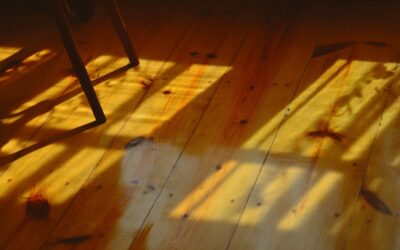
A floor never exists in isolation; light and surroundings transform how it looks. North-facing rooms with cooler natural light flatter warm-toned woods, which add coziness, while bright, sun-filled rooms can handle cooler grays and natural tones without feeling washed out. Always view samples in the actual room at different times of day before committing, because a stain that looks perfect in the showroom can read very differently at home. Coordinate the floor with cabinetry, trim, and wall color too; a beautiful floor should harmonize with the whole room, not fight it.
The Bottom Line
Grade selection is one more lever that quietly shapes a floor’s character. Hardwood is sold in grades that describe how much natural variation each board shows. Clear and select grades have minimal knots and color variation for a smooth, uniform, formal look, while character or rustic grades celebrate knots, mineral streaks, and color swings for a warm, lived-in feel. Neither is objectively better; the right grade depends on the look you want and your budget, since cleaner grades cost more. Deciding on grade up front prevents surprises when the boxes arrive and the boards do not match the showroom sample you fell for.
Creating beautiful hardwood floors is a series of smart choices stacked together: a species with the grain and hardness you love, a matte or satin finish that flatters it, a wide plank for a luxurious feel, and an installation that sweats the hidden details. Choose natural, timeless tones over fleeting trends, protect the surface with simple consistent care, and your hardwood floor will remain a centerpiece of your home for generations.
Prefer to explore on your own?
See how new flooring looks in your actual room in seconds — free, no signup.
Try the free Floor Studio →