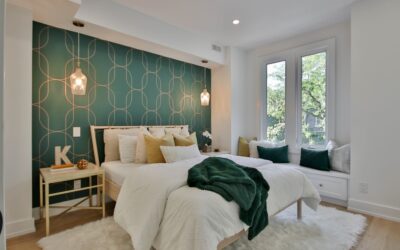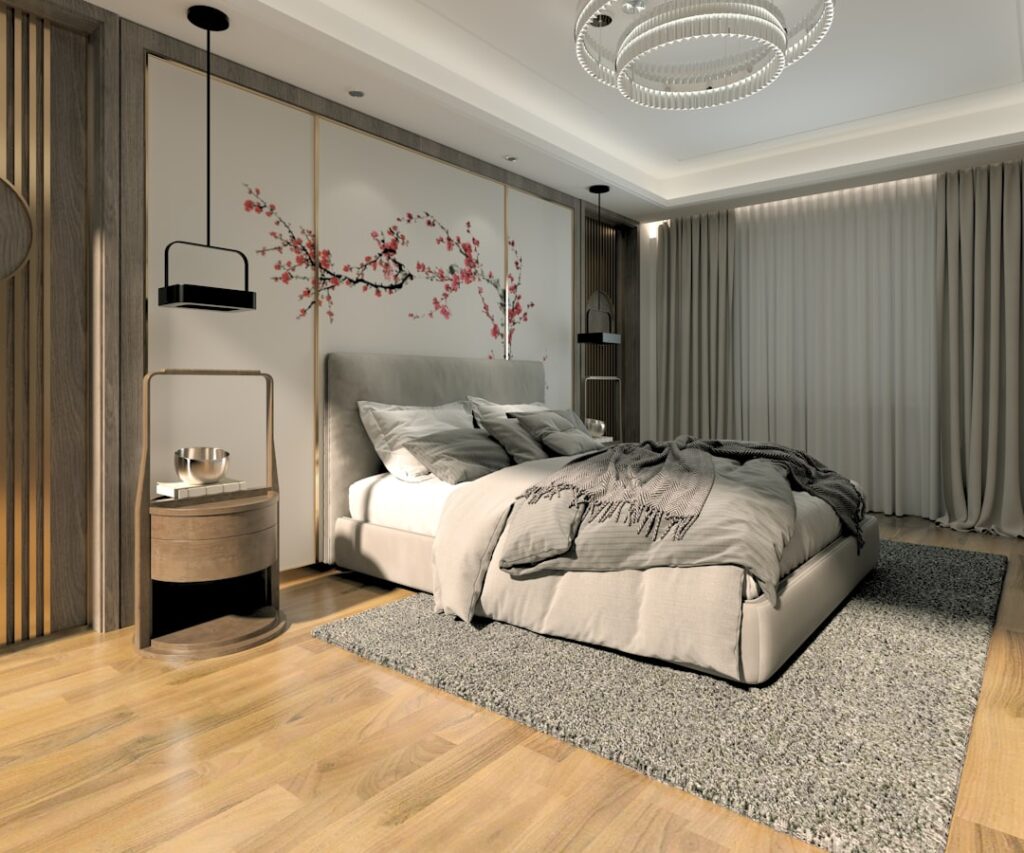
Bedroom carpet flooring remains the most popular choice for bedrooms, and for good reason. Nothing beats the feeling of stepping out of bed onto a soft, warm carpet on a cold morning. Carpet provides comfort, sound insulation, warmth underfoot, and a cozy atmosphere that hard flooring surfaces simply can’t match in a sleeping space.
This guide helps you choose the ideal bedroom carpet by covering fiber types, pile styles, padding options, color trends, and important considerations for allergy sufferers.
- Why Carpet Is the Best Flooring for Bedrooms
- Best Carpet Fibers for Bedrooms
- Carpet Pile Types for Bedrooms
- Bedroom Carpet Color Guide
- Carpet Padding for Bedrooms
- Allergy Considerations for Bedroom Carpet
- Bedroom Carpet Cost Guide
- Bedroom Carpet Maintenance Tips
- Frequently Asked Questions
- Final Thoughts
Why Carpet Is the Best Flooring for Bedrooms
While hard flooring options like hardwood and luxury vinyl plank dominate most of the home, the bedroom is where carpet truly excels:
- Comfort: Carpet with quality padding creates a cushioned surface that feels luxurious underfoot, especially on cold mornings.
- Warmth: Carpet acts as insulation, keeping your feet warm and the room temperature more stable than hard flooring.
- Sound reduction: Carpet absorbs sound rather than reflecting it, reducing both foot noise and ambient sound levels. This is especially valuable in upstairs bedrooms and multi-story homes.
- Safety: The soft, non-slip surface reduces injury risk from falls — particularly important in children’s bedrooms and for elderly family members.
- Affordability: Carpet is typically less expensive than hardwood, tile, or quality LVP, making it a budget-friendly way to floor multiple bedrooms.
- Design versatility: Available in thousands of colors, patterns, and textures to match any bedroom decor.
Best Carpet Fibers for Bedrooms
The fiber type determines how your bedroom carpet looks, feels, performs, and lasts. Here are the options ranked for bedroom use:
Nylon — Best Overall
Nylon is the most popular and versatile carpet fiber, offering the best combination of durability, softness, and stain resistance. Premium nylon (like Mohawk’s SmartStrand or Shaw’s Anso) includes built-in stain protection that won’t wash away over time.
- Durability: Excellent — resists crushing, matting, and wear
- Softness: Good to excellent (varies by product)
- Stain resistance: Very good with built-in stain treatment
- Price: $2 to $7 per square foot
- Best for: Master bedrooms, kids’ bedrooms, and any bedroom with moderate to heavy foot traffic
Polyester (PET) — Best Budget Softness
Polyester is inherently stain-resistant and delivers excellent softness at a lower price than nylon. The soft, silky feel of quality polyester carpet is hard to beat for bedroom comfort. The trade-off is lower durability — polyester mats down and shows wear faster than nylon in high-traffic areas.
- Durability: Moderate — best in low-traffic areas (perfect for bedrooms)
- Softness: Excellent — among the softest carpet fibers
- Stain resistance: Excellent (naturally hydrophobic)
- Price: $1 to $4 per square foot
- Best for: Master bedrooms, guest rooms, and bedrooms where comfort is the priority over heavy-duty durability
Triexta (SmartStrand) — Best Premium Option
Triexta (branded as SmartStrand by Mohawk) is a newer fiber that combines the durability of nylon with the stain resistance and softness of polyester. It’s made partially from renewable corn-based resources. SmartStrand’s built-in stain protection is permanent and won’t diminish with cleaning.
- Durability: Excellent — comparable to nylon
- Softness: Excellent
- Stain resistance: Outstanding (permanent, built-in)
- Price: $3 to $7 per square foot
- Best for: Any bedroom, especially homes with children and pets
Wool — Best Natural Luxury
Wool is the original premium carpet fiber, prized for its natural softness, durability, and luxurious feel. Wool carpet naturally regulates humidity, resists flames, and has a distinctive springy texture that synthetic fibers imitate but don’t quite match.
- Durability: Very good — natural resilience keeps fibers upright
- Softness: Excellent — naturally soft and warm
- Stain resistance: Moderate (naturally repels water-based stains but absorbs others)
- Price: $5 to $20+ per square foot
- Best for: Master bedrooms in homes where natural materials and luxury are priorities
Olefin (Polypropylene) — Budget Option
Olefin is the most affordable carpet fiber and is naturally moisture-resistant. However, it’s the least durable option, matting down quickly in any traffic area. For bedrooms, olefin works adequately in guest rooms and low-use spaces but isn’t recommended for master bedrooms.
- Durability: Low — mats and crushes easily
- Softness: Moderate
- Stain resistance: Good (moisture-resistant)
- Price: $0.50 to $2 per square foot
- Best for: Guest rooms and rental bedrooms where budget is the primary concern
Carpet Pile Types for Bedrooms
The pile (how the fibers are cut and arranged) affects how the carpet looks, feels, and wears:
Plush (Velvet) Cut Pile
Plush carpet has a dense, even surface with fibers cut to the same length. It creates a smooth, formal appearance and a luxurious feel. The downside is that footprints and vacuum tracks are visible, giving the floor a constantly “walked-on” look. Best for master bedrooms and formal spaces.
Saxony
Saxony is similar to plush but with slightly longer, twisted fibers that stand upright. It offers a refined look with better tracking resistance than plush. The twisted fiber tips create subtle texture variation that hides footprints. An excellent all-around choice for bedrooms.
Frieze (Twist)
Frieze carpet has tightly twisted fibers that curl in different directions, creating a casual, textured surface. It’s excellent at hiding footprints, vacuum tracks, and light soiling. The informal look suits bedrooms with a relaxed, comfortable aesthetic. Very practical for kids’ bedrooms.
Shag
Shag carpet features very long, loose fibers that create a deep, cozy pile. It’s the softest and most luxurious option for bedrooms but requires more maintenance (regular raking, careful vacuuming). Shag works well in master bedrooms as a statement floor and in rooms with minimal furniture.
Textured Cut Pile
Textured carpet combines cut fibers of varying heights to create a casual, multi-toned surface. It hides wear, footprints, and dirt well while providing good underfoot comfort. This is the most popular pile type for bedrooms because it balances looks, comfort, and practicality.
Cut and Loop
This style combines cut and looped fibers to create patterns and visual interest. Modern cut-and-loop carpets feature subtle geometric and organic patterns that add design depth to a bedroom without the busyness of traditional patterned carpet.
Bedroom Carpet Color Guide
Current Color Trends
- Warm neutrals: Greige (grey-beige), warm taupe, and creamy beige remain the most popular bedroom carpet colors. They complement virtually any wall color and bedroom furniture.
- Cool greys: Light to medium grey carpet creates a modern, calming bedroom atmosphere. Pairs well with white, navy, and blush pink accents.
- Soft blues and greens: Muted blue-grey and sage green carpets bring a nature-inspired serenity to bedrooms. These colors promote relaxation and work beautifully in coastal and organic design schemes.
- Deep jewel tones: Navy, emerald, and deep burgundy carpet makes a bold statement in master bedrooms. These rich colors create an intimate, cocoon-like atmosphere that enhances sleep quality.
Choosing the Right Color
- Room size: Light colors make small bedrooms feel larger. Dark colors create intimacy in large bedrooms.
- Natural light: North-facing rooms benefit from warm-toned carpets. South-facing rooms can handle cool tones.
- Wall color: Choose carpet 2 to 3 shades lighter or darker than your walls for visual depth without clash.
- Furniture: If your bedroom furniture is a focal point, choose neutral carpet that doesn’t compete. If furniture is simple, carpet can be the design statement.
- Maintenance: Medium tones (not too light, not too dark) hide dirt and stains best. Very light and very dark carpets show everything.
Carpet Padding for Bedrooms
The padding (or underlay) beneath your carpet is just as important as the carpet itself. In bedrooms, padding directly affects comfort, warmth, sound insulation, and how long your carpet lasts.
Padding Types
- Memory foam padding: The most luxurious option for bedrooms. Memory foam padding (6 to 8 lb density) provides exceptional underfoot cushion and insulates against cold and sound. It’s the premium choice for master bedrooms.
- Rebond (bonded urethane): The most common padding type, made from recycled foam scraps. Available in various densities. Choose 6 to 8 lb density for bedrooms — it provides good comfort at a moderate price.
- Fiber padding: Made from synthetic or natural fibers, fiber padding is firm and supportive. It works well under patterned carpet but doesn’t provide the plush cushion feel that most homeowners want in bedrooms.
- Waffle rubber: A budget option with a textured waffle pattern. Adequate for guest rooms but doesn’t match the comfort of foam padding for primary bedrooms.
Recommended Padding Specs for Bedrooms
- Thickness: 7/16 inch to 1/2 inch (thicker padding feels more luxurious but check your carpet manufacturer’s maximum thickness recommendation)
- Density: 6 to 8 lb per cubic foot for optimal comfort and carpet support
- Type: Memory foam or premium rebond for maximum bedroom comfort
Important: Don’t exceed the carpet manufacturer’s maximum padding thickness. Over-thick padding causes the carpet to flex excessively, which can break down the carpet backing and cause premature wrinkling.
Allergy Considerations for Bedroom Carpet
The concern that carpet worsens allergies is common but nuanced. Here’s what allergy sufferers need to know:
The Carpet and Allergy Debate
Carpet does trap allergens (dust mites, pollen, pet dander), but this can actually be an advantage. Trapped allergens stay in the carpet fibers rather than floating in the breathing zone, as they do when disturbed on hard floors. Regular vacuuming removes these trapped allergens effectively.
Tips for Allergy-Friendly Bedroom Carpet
- Choose low-pile carpet: Short, dense pile traps fewer allergens and is easier to vacuum thoroughly than deep pile or shag.
- Use a HEPA-filter vacuum: Vacuum the bedroom carpet at least twice weekly with a vacuum equipped with a HEPA filter. This removes allergens without redistributing them into the air.
- Select synthetic fibers: Nylon and polyester don’t support dust mite growth. Avoid wool carpet in allergy-sensitive bedrooms as wool can harbor dust mites.
- Professional cleaning: Have bedroom carpet professionally deep-cleaned once a year to remove embedded allergens.
- Hypoallergenic padding: Choose padding with antimicrobial treatment to prevent mold and mildew growth beneath the carpet.
- Consider carpet tiles: Modular carpet tiles can be removed and cleaned individually, and replaced easily if heavily soiled.
Green Label Plus Certification
Look for carpet with the Carpet and Rug Institute’s Green Label Plus certification, which ensures the product meets strict VOC (volatile organic compound) emission standards. Low-VOC carpet is important in bedrooms where you spend 6 to 8 hours breathing the air.
Bedroom Carpet Cost Guide
| Category | Carpet Cost (per sq ft) | Padding Cost (per sq ft) | Installation (per sq ft) | Total for 150 sq ft Room |
|---|---|---|---|---|
| Budget | $1 – $2 | $0.30 – $0.60 | $0.50 – $1.00 | $270 – $540 |
| Mid-Range | $2 – $5 | $0.60 – $1.00 | $0.75 – $1.50 | $503 – $1,125 |
| Premium | $5 – $10 | $1.00 – $2.00 | $1.00 – $2.00 | $1,050 – $2,100 |
| Luxury (Wool) | $10 – $20+ | $1.00 – $2.00 | $1.50 – $3.00 | $1,875 – $3,750+ |
Bedroom Carpet Maintenance Tips
- Vacuum weekly: At minimum, vacuum bedroom carpet once a week. Twice weekly in high-allergy households.
- Rotate furniture: Periodically rearrange bedroom furniture to distribute wear evenly and prevent permanent indentations.
- Address spills immediately: Blot (never rub) spills with a clean white cloth. Work from the outside edge toward the center to prevent spreading.
- Professional cleaning: Schedule professional deep cleaning every 12 to 18 months to remove embedded dirt and refresh the pile.
- Use area rugs: Place area rugs at bedside and in doorway paths to protect carpet in the highest-traffic zones.
- No shoes in the bedroom: A no-shoes policy dramatically reduces the dirt, grit, and contaminants tracked into bedroom carpet.
Frequently Asked Questions
What is the best carpet for a master bedroom?
For a master bedroom, choose a textured cut pile or saxony carpet in nylon or triexta fiber with 6 to 8 lb memory foam padding. This combination delivers the best balance of comfort, durability, and visual appeal. Polyester is a good budget alternative if the bedroom is low-traffic.
Is carpet or hardwood better for bedrooms?
Carpet is generally better for bedrooms because it’s warmer, softer, quieter, and more affordable than hardwood. Hardwood is easier to clean and more allergy-friendly, but it’s cold and hard underfoot. Many homeowners compromise by installing hardwood with large area rugs in bedrooms.
How long does bedroom carpet last?
Bedroom carpet typically lasts 10 to 20 years depending on fiber quality, padding, and maintenance. Bedrooms experience less traffic than living areas, so carpet in bedrooms generally lasts longer than carpet in other rooms. Premium nylon or triexta carpet with quality padding can last 15 to 20 years in a bedroom.
What color carpet is best for bedrooms?
Warm neutrals (greige, taupe, cream) are the most versatile and popular bedroom carpet colors. They complement any decor, hide moderate soiling, and create a calming atmosphere. If resale value matters, stick with neutral tones. For personal style, choose colors that make you feel relaxed and comfortable.
Is carpet bad for allergies in bedrooms?
Carpet traps allergens, which can be both good (keeping them out of the air) and bad (accumulating them over time). If you’re allergy-sensitive, choose short-pile synthetic carpet, vacuum twice weekly with a HEPA vacuum, and schedule annual professional cleaning. With proper maintenance, many allergy sufferers do well with bedroom carpet.
How thick should carpet padding be for a bedroom?
Choose 7/16-inch to 1/2-inch thick padding with 6 to 8 lb density for bedroom carpet. This provides a plush, comfortable feel without being so thick that it causes carpet wrinkling. Always check your carpet manufacturer’s maximum recommended padding thickness.
Final Thoughts
Bedroom carpet flooring delivers unmatched comfort and warmth where you need it most. For the best bedroom carpet experience, invest in quality fiber (nylon or triexta), choose a textured pile that hides footprints, and don’t skimp on padding — it’s the hidden layer that makes the biggest difference in how your carpet feels underfoot.
To explore all carpet options, visit our complete carpet flooring guide. If you’re considering hard flooring with area rugs instead, see our hardwood and engineered wood flooring guides.