Beige gets a bad rap as boring, but in a kitchen it’s the quiet workhorse that makes everything else look intentional. A beige backsplash tile reflects warm light, hides minor splatter between cleanings, and plays nicely with nearly every cabinet and countertop color you’ll ever own. That last point matters more than people realize. Resale-minded homeowners and design pros lean on warm neutrals precisely because they don’t fight the rest of the room. If you want a backsplash you won’t be tearing out in five years because it clashes with a new countertop, beige is one of the safest bets in the tile aisle.
Why Beige Works in a Kitchen
Beige spans a huge range — from creamy off-white to sandy taupe to a greige that leans gray. That breadth is the secret to its versatility. A warmer beige softens white shaker cabinets and pairs beautifully with butcher-block or oak. A cooler greige bridges the gap when your countertops have gray veining. Because the color is muted, it lets a bold range hood, brass hardware, or a patterned floor become the star without the room feeling cluttered. And in north-facing kitchens that get little direct sun, a warm beige backsplash adds a glow that crisp white tile can’t.
Tile Materials to Consider
The color is only half the decision. What the tile is made of determines how it cleans, how it ages, and what it costs.
- Ceramic — the budget-friendly standard, typically $2 to $7 per square foot. Easy to cut, easy to glaze in consistent beige tones, and plenty durable for a wall that never gets walked on.
- Porcelain — denser and more water-resistant than ceramic, often $4 to $12 per square foot. Worth it if your beige tile wraps around a sink or behind a steam-heavy cooktop.
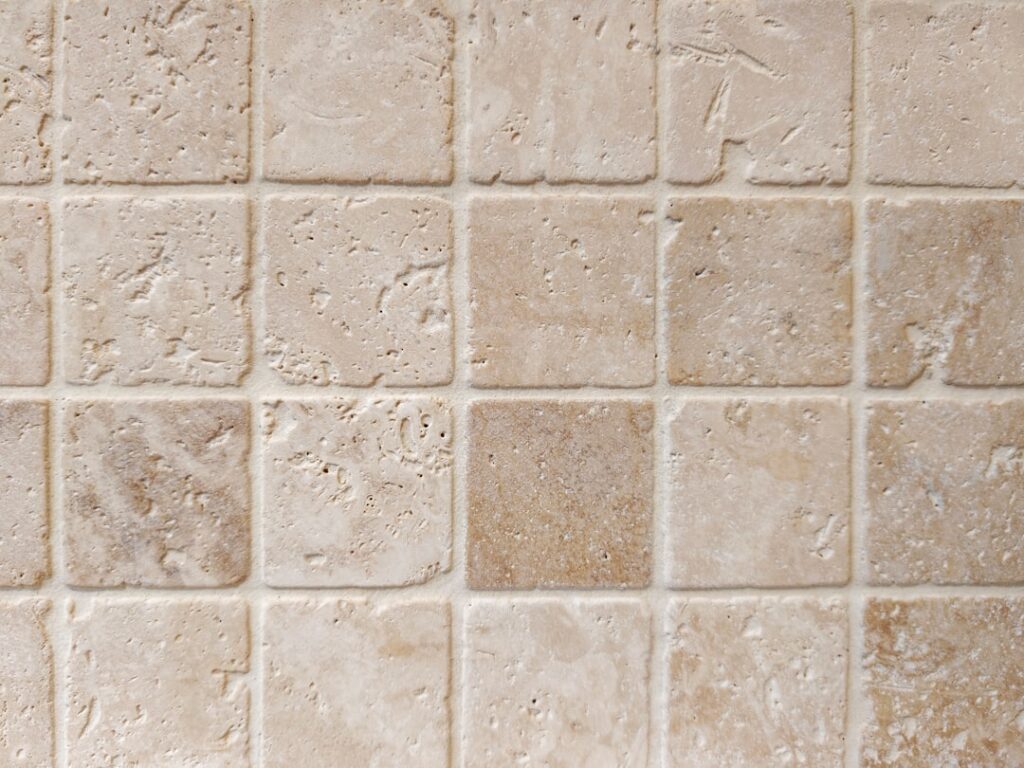
- Natural stone — travertine, limestone, and tumbled marble deliver genuine beige tones with natural variation, usually $7 to $20 per square foot installed. Gorgeous, but porous, so they need sealing.
- Glass — beige glass mosaics add subtle depth and reflect light, often $10 to $30 per square foot. They wipe clean instantly, which cooks appreciate.
Shapes and Layouts That Flatter Beige
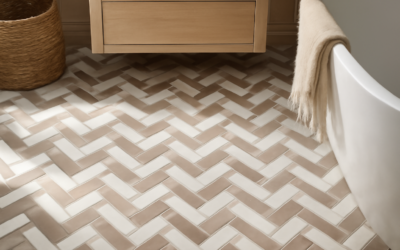
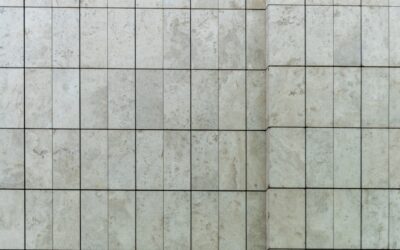
A single color can read a dozen ways depending on the tile’s shape and how it’s set. Classic 3-by-6 subway tile in beige gives you a clean, timeless wall, especially in a brick-bond offset. Want more texture? A handmade-look subway with slightly uneven edges throws shadow lines that keep a neutral color from going flat. Hexagons and elongated picket shapes add geometry without adding color noise. For a more contemporary feel, large-format beige porcelain in a stacked vertical layout reads modern and minimizes grout lines. If your kitchen leans traditional, a beige tumbled-stone mosaic in a Versailles or herringbone pattern brings old-world warmth.
Grout: The Detail That Changes Everything
Grout color does more to define a backsplash than almost any other choice, and it’s the one homeowners most often get wrong. Match the grout closely to the tile — a beige or sand grout against beige tile — and the wall reads as one seamless, calm surface. Choose a contrasting grout — a warm gray or even a soft charcoal — and suddenly every tile edge pops, turning a simple subway layout into a graphic statement. There’s no wrong answer, but decide deliberately. For practicality, skip stark white grout behind a cooktop; it stains. Most installers now recommend a quality urethane or epoxy-modified grout for kitchen backsplashes because it resists stains and rarely needs sealing.
Pairing Beige with Countertops and Cabinets
The whole point of beige is harmony, so build your palette around it.
- White or cream cabinets + warm beige tile = a soft, cottage-style kitchen. Add wood open shelving for contrast.
- Navy or sage cabinets + beige tile = a grounded, modern look where the tile keeps the saturated color from feeling heavy.
- Wood-tone cabinets + sandy beige tile = a cohesive, organic feel; pull a brown vein from the countertop into the grout.
- Granite or quartz with beige and brown movement = let the tile play a supporting role with a quieter, solid-toned beige.
Installation and What It Costs
A standard backsplash run between the counter and upper cabinets is roughly 25 to 35 square feet in an average kitchen. Material costs scatter widely based on what you pick, but most homeowners land somewhere between $300 and $1,200 for tile alone. Professional installation typically adds $10 to $25 per square foot depending on tile size, pattern complexity, and your region. Intricate mosaics and natural stone cost more to set because they’re slower work. A handy DIYer can tackle a straight subway run over a weekend with a tile saw rental, thinset, and patience; mitered outside corners and tricky outlet cuts are where many first-timers struggle.
Care and Maintenance
One reason beige backsplash tile is so practical is that it forgives the daily mess of cooking. Glazed ceramic, porcelain, and glass wipe down with a damp cloth and a little dish soap; no special products required. Natural stone is the exception — seal it on install and reseal it every year or two, and stick to a pH-neutral stone cleaner so you don’t etch the surface. Keep grout lines fresh by wiping splatter before it dries, and hit any discoloration with a soft brush and a gentle grout cleaner rather than harsh bleach, which can fade colored grout over time. Treat the wall well and a quality beige backsplash will look as good in fifteen years as the day it went up.
Is Beige Right for Your Kitchen?
If you want a backsplash that’s warm, flexible, and unlikely to date itself, beige earns its place. It’s the neutral that lets you change your accessories, repaint the walls, or swap the cabinet hardware without forcing a tile redo. Choose your material for how the space is used, set it in a shape that fits your style, and obsess a little over the grout — get those three things right and a beige backsplash tile will quietly anchor the whole kitchen for years.
Prefer to explore on your own?
See how new flooring looks in your actual room in seconds — free, no signup.
Try the free Floor Studio →