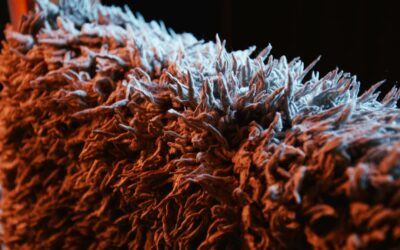
That cream rug with thin, dark diamond lines is everywhere, but most listings using the name are not what they claim. A true beni ourain rug is hand knotted from undyed sheep’s wool in the Middle Atlas mountains of Morocco, with a thick, springy pile and a slightly irregular pattern that no two pieces share. Replicas copy the look in polyester, polypropylene or machine-made wool at a fraction of the price. Both have a place, but you should know which one you are buying before paying handmade prices.
This style also sheds, needs a specific kind of pad on hard floors and prefers certain rooms. Here is how to judge authenticity, what to expect in the first months and how to care for the wool so it lasts decades.
What Makes a Beni Ourain Rug Distinctive
The traditional style comes from weaving traditions of mountain communities, where rugs served as bedding and blankets in a cold climate. That history explains the design features that still define it:
- Natural undyed wool: ivory, cream or oatmeal ground in the shade of the sheep’s fleece, not bright white.
- Dark geometric lines: brown or black diamonds, lattices or zigzags drawn freehand, so lines wobble and shapes vary in size.
- High pile: usually about 3/4 inch to 1.5 inches deep, soft and dense underfoot.
- Loose, irregular edges: sides may ripple slightly and the ends finish with hand-knotted fringe.
- Heavy weight: a handmade 5 x 8 foot piece often weighs 25 to 40 pounds.
Handmade vs Machine Replica: How to Tell
Use these checks in a store, or ask a seller for close-up photos before ordering online.
- Flip it over. A hand-knotted rug shows individual knots on the back, and the pattern appears there in slightly blurred form. A machine-made rug has a perfectly uniform grid, and a tufted rug has a glued cloth or latex backing that hides the stitching.
- Look at the fringe. On handmade rugs, fringe is the end of the warp threads that run through the whole rug. Sewn-on fringe attached to a separate strip signals a machine copy.
- Study the symmetry. Hand-drawn lines drift, diamonds vary in size and the design may not match side to side. Perfect repeats point to a loom or printer.
- Feel the fiber. Real wool feels slightly oily from lanolin, springs back when pressed and smells faintly of sheep when damp. Synthetic fibers feel slick and uniform.
- Check the price. A handmade 6 x 9 typically costs well into four figures. A price under a few hundred dollars for that size almost always means a replica.
None of this makes replicas bad. A washable moroccan rug made from low-pile synthetic fibers can go straight into a large washer, which is practical for homes with pets, toddlers or heavy traffic. Just judge it as a style copy rather than an heirloom.
Why Wool Rugs Shed and When It Stops
Shedding is the most common complaint after buying any handmade beni ourain rug. Hand spinning leaves short fibers loose in the yarn, and the deep pile holds them until foot traffic and vacuuming work them free. Expect noticeable fuzz for the first 3 to 6 months, sometimes up to a year on very high piles.
To manage it:
- Vacuum once or twice a week with suction only, or with the beater bar raised or turned off. A spinning brush pulls out more fiber and can fray the knots.
- Shake smaller rugs outdoors every few weeks.
- Do not pull loose tufts; snip any sprouting yarn level with the pile using sharp scissors.
- Expect shedding to slow gradually. If it continues heavily after a year, the wool may be low quality.
Best Rooms for This Moroccan Style
The plush pile makes this style ideal where you walk barefoot and traffic is moderate:
- Bedrooms: the classic spot, with the rug extending 18 to 24 inches past each side of the bed.
- Living rooms: works well under a sofa and chairs, with at least the front legs of seating resting on the rug.
- Nurseries and reading corners: soft for sitting on the floor.
Skip high-traffic entryways, kitchens and dining areas where chairs drag and food spills happen daily. A light, deep wool pile shows dirt quickly and is hard to clean after sauce or wine. In those spaces, a low-pile or flatweave wool area rug with a similar pattern is a better choice.
Choosing a Rug Pad for Hardwood and Other Floors
A thick pile rug on a smooth floor can slide or bunch, especially near doorways, creating a trip hazard. The right pad fixes that and protects the floor underneath.
- Felt and natural rubber combination pad: the best all-around choice on hardwood, LVP and tile. The rubber side grips the floor while the felt adds cushion.
- Thin natural rubber pad: for rugs near door swings where height matters.
- Avoid PVC or cheap plastic pads: some can react with polyurethane finishes and leave marks or discoloration on hardwood and vinyl.
- Size it correctly: trim the pad about 1 inch smaller than the rug on all sides so edges taper and stay flat.
On wall-to-wall carpet, use a thin felt pad or a pad made for rug-on-carpet use to stop the rug from creeping. Check edges often; a curled corner on a thick rug catches toes easily. Rotate the rug every 6 to 12 months so sunlight and traffic wear evenly, since ivory wool can yellow slightly in strong sun.
Cleaning and Wool Care
Wool resists stains naturally thanks to lanolin, but it dislikes heat, harsh chemicals and too much water.
- Blot spills immediately with a white cloth. Work from the outside of the spot inward, and never rub.
- Rinse with cool water and a small amount of wool-safe detergent. Avoid bleach, oxygen boosters and high-pH cleaners that can yellow or weaken wool.
- Dry quickly. Press with towels, raise the damp area on a rack and run a fan. Deep pile trapped wet against a floor can grow mildew and damage hardwood.
- Refresh the pile by brushing gently with your hand or a soft brush once it is dry.
- Schedule professional cleaning every 1 to 3 years with a cleaner who specializes in handmade wool rugs. Home steam machines use heat that can shrink or felt the fibers.
Moths love dark, undisturbed wool. Vacuum under furniture regularly, and if you store the rug, clean it first, roll it with the pile inward and wrap it in breathable cotton, never plastic.
Cost Ranges
Replicas in synthetic fiber often cost a few hundred dollars or less for a room-size rug. Machine-made wool versions land in the mid hundreds. Handmade vintage and new pieces from reputable importers commonly run from the low thousands into several thousand dollars for large sizes, depending on age, wool quality and knot density. A good rug pad adds a modest cost but protects both the rug and the floor.
When to Call a Pro
Bring in a specialist rug cleaner for pet urine, red wine, large water damage or any mildew odor. A rug restoration pro can repair loose fringe, unraveling edges or moth damage before it spreads. If moisture from a leak has soaked through to a hardwood floor underneath, have a flooring contractor check for cupping or finish damage.
Frequently Asked Questions
How can I tell if a beni ourain rug is authentic?
Check the back for visible individual knots, fringe that continues from the warp threads, irregular hand-drawn lines and the springy feel of real wool. Very low prices usually mean a replica.
Why does my wool rug shed so much?
Hand-spun wool leaves loose short fibers in the yarn. Shedding is normal for the first 3 to 6 months and eases with regular suction-only vacuuming.
Is a washable moroccan rug a good alternative?
Yes, for busy homes with pets or kids. Washable versions are usually low-pile synthetics that copy the pattern and can go in a large washing machine.
What rug pad works best on hardwood?
A felt and natural rubber combination pad grips without harming finishes. Avoid PVC pads, and trim the pad about 1 inch smaller than the rug.
Can I put this style of rug in a dining room?
It is not ideal. Deep pile catches crumbs and makes chairs hard to slide. A low-pile or flatweave wool rug with a similar pattern is easier to live with.