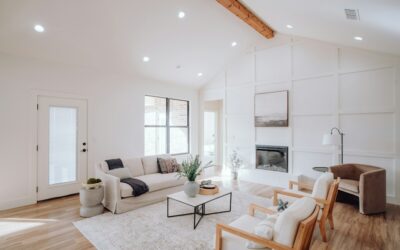
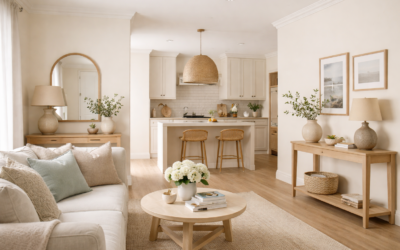
The Benjamin Moore Off-White Collection is a curated set of 152 whites and near-whites, numbered OC-1 through OC-152, that the manufacturer describes as its ultimate collection of white and off-white paint colors. Instead of hunting through thousands of chips, you get the whites that designers and painters reach for most often, gathered from several of the brand’s older collections into one fan deck. The catch is that 152 whites still look nearly identical on a small card, and the differences only show up once a wall is painted and the afternoon light hits it.
The quickest way to narrow the field is to compare three things: the chip number, the light reflectance value (LRV), and the undertone. LRV tells you how much light a color bounces back on a scale from 0 (black) to 100 (pure white), and undertone tells you whether the white will lean warm, cool or gray in your room. A quick-reference table of the chips people ask about most is the fastest way in, with numbers taken from the manufacturer’s own color pages.
- Benjamin Moore Off White Collection: Most-Used Chips at a Glance
- How the Off-White Collection Differs From Other Benjamin Moore Whites
- How to Choose the Right Off-White for Your Room
- Pairing Wall and Trim Colors Within the Collection
- Tools, Sheen and Coverage Tips
- Troubleshooting Common Off-White Problems
- Cost Ranges and When to Hire a Painter
- Frequently Asked Questions
- How many colors are in the Benjamin Moore Off-White Collection?
- What is the most popular white in the Off-White Collection?
- What does OC stand for on Benjamin Moore chips?
- Which off-white works best in a north-facing room?
- Is Pale Oak a white or a greige?
- Do I need primer when painting an off-white?
Benjamin Moore Off White Collection: Most-Used Chips at a Glance
Each LRV here was checked against the Benjamin Moore color page for that chip. Undertone notes use the manufacturer’s own wording where it gives one, and a plain description where it does not. Treat the “best room” column as a starting point, since your light, flooring and fixed finishes will shift every one of these.
| Color (number) | LRV | Undertone / character | Best room fit |
|---|---|---|---|
| Chantilly Lace (OC-65) | 90.04 | Clean, crisp, very little visible tint | Trim, ceilings, modern kitchens |
| Simply White (OC-117) | 89.52 | Crisp with the slightest hint of warmth | Cabinets, trim, bright living rooms |
| White Dove (OC-17) | 83.16 | Soft, classic white, gently warm | Whole-house walls, cabinets, trim |
| Swiss Coffee (OC-45) | 81.91 | Warm white with noticeable warmth | Bedrooms, north-facing rooms |
| Seapearl (OC-19) | 76.43 | Cool gray undertone | Bathrooms, sunny south-facing rooms |
| Classic Gray (OC-23) | 73.67 | Ultra-light gray that reads as off-white | Open-plan walls, hallways |
| Feather Down (OC-6) | 73.16 | Off-white that verges on beige | Traditional dining and family rooms |
| Pale Oak (OC-20) | 68.64 | Warm gray undertone | Living rooms, bedrooms with wood floors |
| Balboa Mist (OC-27) | 65.53 | Pale gray with a slightly warm cast | Larger rooms, accent walls in a white house |
A useful rule of thumb: chips with an LRV in the high 80s and 90s read as true white and suit trim, ceilings and cabinetry. Anything from roughly 80 to 85 reads as a soft white on walls. Once you drop into the 60s and low 70s, you are really choosing a pale neutral, and the color will look noticeably deeper on four walls than it does on the chip.
How the Off-White Collection Differs From Other Benjamin Moore Whites
Benjamin Moore runs several color systems side by side, and whites appear in most of them. That is why a single white can turn up with two different numbers. Classic Gray, for example, is listed as OC-23 in the Off-White Collection and as 1548 in the Benjamin Moore Classics collection, with the same 73.67 LRV on both pages. Nothing about the paint itself changes; it is simply filed in two decks.
Benjamin Moore Classics
The Classics collection uses plain four-digit numbers (such as 1548 or 1563) and is organized by color strip, so whites sit at the top of strips that darken into grays, beiges or blues. It is a great tool when you want a white and a deeper accent from the same family, because the related shades sit on one card.
Color Preview
Color Preview chips carry hyphenated numbers like 2088-40. The system is built around clearer, more saturated hues, and its whites tend to be the palest step of a colorful strip. If you want a white with a visible tint of pink, green or blue, Color Preview is a likely place to find it.
Historical Colors
Historical Colors use an HC prefix and lean toward traditional, slightly muted shades. Some of the most popular trim partners for off-whites, such as Elmira White (HC-84), live here.
What sets the Benjamin Moore off white collection apart is focus. Every chip on the OC deck is a white or near-white, so the side-by-side comparison you need when choosing between, say, White Dove and Swiss Coffee is already done for you. For a broader look at every white the brand makes, including ones outside the OC numbering, a general roundup of Benjamin Moore whites is the better companion read.
How to Choose the Right Off-White for Your Room
Choosing within the Benjamin Moore off white collection gets much simpler once you stop comparing chips in the store. Picking from 152 near-identical chips gets far easier if you follow a fixed process. Here is the sequence that wastes the least paint and the fewest weekends.
- Note your room’s light direction. North-facing rooms get cool, bluish daylight that makes gray and cool whites look chilly, so warmer chips like Swiss Coffee or White Dove usually feel better there. South-facing rooms get warm light all day and can handle cooler options such as Seapearl or Chantilly Lace.
- List your fixed finishes. Flooring, countertops, tile and large furniture do not change, and the paint has to work with them. Honey oak floors push many cool whites toward a sterile look, while gray tile can make a creamy white look yellow.
- Pick three candidates, not ten. Choose one cooler, one neutral and one warmer option within the LRV range that suits the job.
- Sample large. Paint or stick at least a 2 ft by 2 ft swatch per color. Peel-and-stick sample sheets save time and keep test patches off your old wall color, which can distort how a new white reads.
- Move the samples around. Look at each one near the window, on the darkest wall and next to the trim, in the morning, mid-afternoon and under your evening bulbs.
- Decide in context. Hold the swatch beside your flooring sample and cabinet door before committing. The winner is the one that looks clean without looking cold, and calm without looking dingy.
Pairing Wall and Trim Colors Within the Collection
A common approach is to use two whites from the same deck: a slightly deeper or warmer one on walls and a brighter one on trim, doors and ceilings. The contrast is subtle but gives the room crisp edges. Some pairings designers often use include:
- White Dove walls with Chantilly Lace trim for a soft, slightly warm room with sharp, bright woodwork.
- Pale Oak walls with White Dove trim when you want a warm greige feel without the trim looking stark.
- Classic Gray walls with Chantilly Lace trim for a light, airy look that still has some definition.
- Swiss Coffee on everything in a different sheen (eggshell walls, satin or semi-gloss trim) for a cozy, monochrome finish.
Using one color in two sheens is often underrated. The higher-sheen trim reflects more light, so it looks a touch brighter even though the color is identical, and you only need to buy and store one color.
Tools, Sheen and Coverage Tips
Whites are unforgiving. Lap marks, thin spots and roller texture show far more on a pale wall than on a mid-tone. A good paint roller and tray kit with a 3/8 inch nap cover for smooth drywall (or 1/2 inch for lightly textured walls), a 2 to 2.5 inch angled sash brush, painter’s tape, drop cloths and a sturdy step stool covers most rooms.
For sheen, eggshell or matte suits most walls, satin works well in kitchens and bathrooms that see moisture and wiping, and semi-gloss is the usual choice for trim and doors. Flat or ceiling-specific finishes go overhead. Most off-whites need two coats for even color, and going from a dark wall to a white usually calls for a primer coat first.
Budget-wise, premium interior paint generally runs in the mid to upper range of retail paint pricing per gallon, and one gallon typically covers about 350 to 400 sq ft per coat on smooth, primed drywall. A 12 by 14 ft bedroom with 8 ft ceilings usually needs about 2 gallons for two coats on the walls, plus a quart or gallon for trim. Check the current product data sheet for your chosen line, since coverage varies by product and surface.
Troubleshooting Common Off-White Problems
The white looks yellow
Warm bulbs, wood floors and beige carpet all reflect color onto walls. If a warm white like Swiss Coffee turns creamy or yellow, try a more neutral chip like White Dove, or switch your bulbs to a 3000K or 3500K color temperature.
The white looks gray or dingy
Cooler whites and lower-LRV chips can look flat in rooms with little daylight. Move up in LRV or toward a warmer undertone. Pale Oak and Balboa Mist especially need decent light to read as intended.
The wall looks blotchy
Uneven sheen (flashing) usually means patched areas were not primed or the second coat went on too thin. Spot-prime repairs and roll each wall top to bottom in one continuous session, keeping a wet edge.
Trim and walls clash
If two whites fight each other, the undertones differ too much. Pick a trim white from the same family or use the wall color in a higher sheen.
Cost Ranges and When to Hire a Painter
DIY painting of an average bedroom typically costs a few hundred dollars once you add paint, primer and supplies. Hiring a professional painter for the same room generally runs from several hundred dollars to over a thousand, depending on your region, ceiling height, wall condition and whether trim and ceilings are included. Whole-house interior jobs climb into the thousands.
Consider a pro for two-story foyers and stairwells, heavily damaged walls, or a large amount of trim and cabinetry where brush marks would show. If your home was built before 1978, test old paint for lead before sanding or scraping and follow lead-safe practices, or have a certified contractor handle prep.
If you are building a whole-house palette, the Benjamin Moore off white collection makes it easy to keep every room in the same family: one OC white for trim and ceilings throughout, and a slightly deeper OC chip for walls. Benjamin Moore updates its decks and color pages over time, so confirm the chip number and LRV on the manufacturer’s current color page before you order, especially if you are matching a color from an older project.
Frequently Asked Questions
How many colors are in the Benjamin Moore Off-White Collection?
The collection currently lists 152 colors, numbered OC-1 through OC-152, all of them whites or near-whites gathered from several of the brand’s other collections.
What is the most popular white in the Off-White Collection?
White Dove (OC-17), Chantilly Lace (OC-65) and Simply White (OC-117) are among the most widely used, thanks to their high LRVs and flexible undertones that suit walls, trim and cabinets.
What does OC stand for on Benjamin Moore chips?
The OC prefix marks colors that belong to the Off-White Collection. Some of these chips also carry a second number in another collection, such as Classic Gray, which is OC-23 and 1548.
Which off-white works best in a north-facing room?
Warmer whites usually look better in cool north light. Swiss Coffee and White Dove are common choices, while cool or gray-leaning chips can look flat there.
Is Pale Oak a white or a greige?
Pale Oak sits in the Off-White Collection, but with an LRV of 68.64 and warm gray undertones it reads as a very light greige on walls rather than a true white.
Do I need primer when painting an off-white?
Primer is recommended over patches, bare drywall, stains and dark existing colors. Over a clean, light, sound painted wall, two coats of a quality paint usually cover without it.