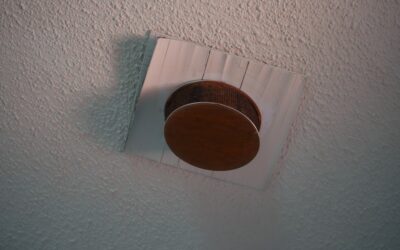
A bathroom fan that you have to remember to turn on, and remember to turn off, is a fan that often does its job poorly. The best bathroom fan with humidity sensor solves both problems by automatically switching on when moisture rises and off once the air clears, protecting your bathroom from the mold and damage that excess humidity causes. Choosing the right one comes down to a few clear specs: airflow for your room size, noise level, and how the sensor works.
Part of our Bathroom Remodeling & Flooring guide — explore the full guide →
Why a Humidity Sensor Matters
A humidity-sensing fan contains a sensor that detects rising moisture in the air and turns the fan on automatically, then shuts it off after the humidity drops back to normal. This means the fan runs exactly when it is needed, even after you have left the room, clearing the lingering steam that a manually switched fan often misses.
The payoff is real moisture control. Consistently removing humid air helps prevent mold growth, peeling paint, warped trim, and that musty bathroom smell, without relying on anyone to flip a switch.
Sizing the Fan: CFM for Your Room
Airflow, measured in cubic feet per minute (CFM), is the most important spec, and it must match your bathroom size. A fan that is too small will not clear moisture effectively. A common guideline for typical bathrooms is roughly 1 CFM per square foot of floor area, with a practical minimum often cited around 50 CFM for small baths.
To size a fan, measure your bathroom’s square footage and choose a CFM rating at or above that number. Larger bathrooms, and those with separate enclosed toilet or shower areas, may need more airflow or multiple fans. Higher ceilings also increase the air volume to move, so size up when in doubt.
Noise Level: Understanding Sones
Fan noise is rated in sones; the lower the number, the quieter the fan. A rating around 1.0 sone or less is considered quiet, while higher numbers (3 or more) are noticeably louder. For a comfortable bathroom, especially one near bedrooms, a low sone rating makes a big difference.
Be aware that very high airflow and very low noise can trade off, so balance the two. A quality fan sized correctly for your room can be both effective and quiet; bargain fans often achieve airflow only by being loud.
How the Sensor Features Work
Humidity-sensing fans vary in how their controls behave. Look for these features:
- Automatic on/off: the fan starts when humidity rises and stops after it normalizes.
- Adjustable sensitivity: lets you set how much humidity triggers the fan.
- Manual override: a switch to run the fan on demand regardless of the sensor.
- Built-in vs. switch sensor: some fans have the sensor in the unit; others use a humidity-sensing wall control.
Adjustable sensitivity is especially useful, since it prevents the fan from running constantly in naturally humid climates or barely running in dry ones.
Other Features Worth Considering
Beyond the core specs, several extras affect daily use and installation. Energy-efficient models, including ENERGY STAR-rated fans, lower operating costs, which matters for a fan that runs automatically. Integrated LED lighting can combine a fan and light in one fixture, and some units add night-lights or heaters.
Check the duct size the fan requires and whether it matches your existing ductwork, and confirm the fan vents to the outdoors, never into an attic or wall cavity. Proper venting outside is essential; otherwise you simply move moisture into the structure.
How to Compare Models Honestly
Rather than trusting marketing or unverifiable claims, compare fans on their published specifications:
- Confirm the CFM rating meets or exceeds your bathroom’s square footage needs.
- Check the sone rating for acceptable noise.
- Verify the humidity sensor’s behavior and whether sensitivity is adjustable.
- Look for an ENERGY STAR rating for efficiency.
- Match duct size and confirm proper exterior venting.
These objective specs tell you far more than any star rating. The “best” fan is simply the one whose specs fit your specific bathroom.
Installation and Safety Notes
Replacing an existing fan can be a DIY job if you are comfortable with basic wiring, but always turn off the breaker and verify the circuit is dead before working. Running new wiring or ducting, or any work you are unsure about, is a job for a licensed electrician, and local code may require it.
Choose a fan rated for the location, follow the manufacturer’s instructions, and ensure it vents fully outdoors. Sized correctly and installed properly, the best bathroom fan with humidity sensor quietly protects your bathroom from moisture damage, doing its job automatically long after you have left the room.
Maintenance to Keep It Working
A humidity-sensing fan only protects your bathroom if it keeps moving air, and dust is its enemy. Over time, lint and dust build up on the grille, blades, and motor, reducing airflow and making the fan work harder and louder. Plan to clean the cover and vacuum the interior a couple of times a year to maintain its rated performance.
Also check that the exterior vent cap is clear and its damper moves freely, since a blocked or stuck damper traps moisture indoors no matter how well the fan runs. Keeping both the fan and its ductwork clean ensures the humidity sensor keeps triggering an effective fan, not a clogged one. A well-maintained fan is quieter, more efficient, and lasts far longer.
Is a Humidity Sensor Worth It?
For most homeowners, the answer is yes, because the value is in what gets handled automatically. The most common cause of bathroom mold and moisture damage is a fan that simply never gets run long enough, since people turn it off when they leave. A humidity sensor removes that human error, running the fan until the air is genuinely clear.
It is especially worthwhile in bathrooms used by people who forget the fan, in homes prone to humidity, and in spaces where moisture problems have appeared before. Weigh the modest extra cost against the expense of repairing mold, peeling paint, and warped trim, and the best bathroom fan with humidity sensor usually pays for itself in protection and peace of mind.