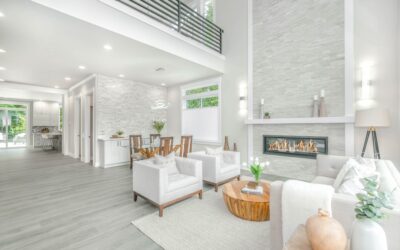
Beige fell out of fashion when builders ran the same yellow-toned shade in every spec home for two decades. The pendulum has swung back, but only for the right shades. The best beige paint colors today read warm, sophisticated, and slightly cool, with gray or green undertones that prevent the dated golden look. Knowing the difference between a 1998 beige and a 2026 beige comes down to undertone, light reflectance value, and how the color responds to your home’s specific lighting.
Part of our Paint & Walls guide — explore the full guide →
- What Makes a Modern Beige Different
- Sherwin-Williams Accessible Beige (SW 7036)
- Benjamin Moore Edgecomb Gray (HC-173)
- Sherwin-Williams Natural Linen (SW 9109)
- Benjamin Moore Manchester Tan (HC-81)
- Farrow & Ball Skimming Stone (No. 241)
- Sherwin-Williams Worldly Gray (SW 7043)
- Benjamin Moore Pale Oak (OC-20)
- How to Test and Choose
- Pairing Beige With Other Elements
- Frequently Asked Questions
What Makes a Modern Beige Different
Old-school beiges leaned heavily toward yellow and orange. Modern beiges, sometimes called greige (gray-beige) or warm neutral, sit closer to the gray-green axis. They have light reflectance values (LRV) typically between 55 and 70: light enough to brighten a room but warm enough to feel cozy.
The five best beige paint colors below have been tested in homes across the country, hold up under both natural and LED lighting, and pair well with white oak floors, warm whites, brass hardware, and matte black accents.
Sherwin-Williams Accessible Beige (SW 7036)
The most-used beige in the country, and for good reason. LRV 58, slight gray undertone, holds its color across north and south light without going yellow or pink. Reads warm without warming up so much that it feels saturated. Works in living rooms, bedrooms, hallways, and entire main floors.
Pairs beautifully with Sherwin-Williams Pure White trim and white oak floors. Skip if your room has very warm halogen or 2700K LED lighting; it can shift slightly tan in those conditions.
Benjamin Moore Edgecomb Gray (HC-173)
Sold as a “gray” but firmly in the beige family with a slight green undertone. LRV 63. The Historical Color collection’s most popular pick for modern farmhouses, cape cods, and traditional homes that want something updated.
Edgecomb reads almost like a chameleon: warmer in south light, more neutral in north light, and noticeably greige in artificial light. Test samples carefully if you have unusual lighting conditions.
Sherwin-Williams Natural Linen (SW 9109)
Slightly warmer than Accessible Beige, with a soft yellow-cream undertone. LRV 62. Best in homes with cooler natural light or rooms that need warming up. Reads almost like a creamy off-white in bright south light.
Pairs well with deeper accent colors like navy, hunter green, and warm terracotta. A good choice for kitchens and bedrooms where you want walls to recede.
Benjamin Moore Manchester Tan (HC-81)
The classic choice for a more traditional warm beige. LRV 65, slight green undertone, slightly more saturated than Edgecomb Gray. Works well in homes with significant amounts of natural wood (mid-tone hardwood floors, beadboard, paneling).
Manchester Tan can read slightly more golden in warm light, so test in your specific room. In northern climates with mostly cool natural light, it reads beautifully balanced.
Farrow & Ball Skimming Stone (No. 241)
The premium pick. LRV around 64, soft pink-beige undertone that reads warm without going orange. Farrow & Ball paint costs $115 to $130 per gallon, two to three times more than mainstream brands, and the depth of color genuinely shows. Coverage is exceptional and the finish has a velvety quality you cannot replicate cheaply.
Worth the cost for primary spaces (great room, primary bedroom). Pair with Farrow & Ball trim color Wevet or All White for a consistent vibe.
Sherwin-Williams Worldly Gray (SW 7043)
Slightly cooler and more gray-leaning than Accessible Beige but still firmly in the warm neutral family. LRV 57. Excellent for homes that want a gray look without going cold or blue. Pairs beautifully with cool whites and modern black-and-white kitchens.
Sherwin-Williams calls it a “gray” but most homeowners read it as a warm beige in most lighting conditions. Test against a true gray to see the warmth.
Benjamin Moore Pale Oak (OC-20)
The lightest pick on this list at LRV 70. Reads almost off-white but with enough warmth to register as beige. Excellent in dim rooms or basements where you need maximum light reflection without going stark white.
Pale Oak is forgiving across lighting conditions and works beautifully as a whole-home neutral. Pair with crisp white trim (Chantilly Lace or Decorator’s White) for a clean, modern look.
How to Test and Choose
Buy peel-and-stick samples from Samplize ($6 to $10 each) or quart-sized samples from the paint brand. Apply a 2-by-2-foot patch on the actual wall, ideally on multiple walls of the same room (north, south, east, west exposure). View the sample at 8 a.m., noon, and after sunset under your normal lighting.
Hold a piece of pure white printer paper next to the swatch to see undertone honestly. Beige next to white reveals whether the undertone leans yellow, pink, gray, or green. Most surprises in paint selection come from skipping this step.
Pairing Beige With Other Elements
Modern beige walls work beautifully with white oak or natural-finish hardwood floors, warm whites for trim (Cloud White, White Dove, Pure White), and hardware in matte black, brushed brass, or aged bronze. Avoid stark cool whites and cool grays that fight the warmth.
For accent colors, consider deep green (Sherwin-Williams Pewter Green, Benjamin Moore Hunter Green), navy (Hale Navy, Naval), terracotta, and warm cognac leather. Skip cool jewel tones (royal blue, emerald) which clash with warm undertones.
Frequently Asked Questions
What is the most popular beige paint color?
Sherwin-Williams Accessible Beige (SW 7036) consistently ranks as the top-selling beige nationally for residential interiors.
Are beige walls outdated?
The yellow-tan beiges from the early 2000s read dated. Modern greige and warm neutral beiges with gray-green undertones are widely used by current designers.
What undertones should I avoid in beige?
Heavy yellow and orange undertones (Tuscan, builder beige, almond) can read dated. Look for beiges with subtle gray or green undertones for a modern feel.
What trim color works best with beige walls?
Soft warm whites like Benjamin Moore White Dove, Sherwin-Williams Pure White, or Cloud White pair beautifully. Avoid stark cool whites that fight the warm wall color.