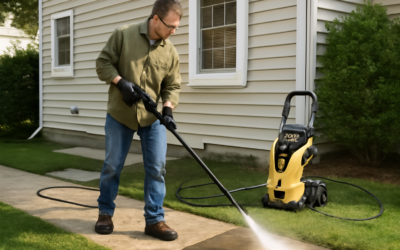
An electric pressure washer turns a half-day scrubbing chore into a 20-minute job, blasting away years of grime from siding, decks, driveways, and cars. But the specs that matter, and the ones marketing leans on, aren’t always the same. Finding the best electric power washer 2021 for your home comes down to understanding PSI, GPM, and the features that actually affect cleaning power and convenience. This guide cuts through the numbers so you can compare any two models confidently and buy the one that matches your real cleaning needs without overspending.
- Electric vs. Gas: Why Electric Wins for Most Homes
- Understanding PSI and GPM
- Match the Power to the Job
- Nozzles and Attachments
- Features Worth Paying For
- Build Quality and Pump Type
- Power and Cord Considerations
- Top Brands to Compare
- Using Detergent the Right Way
- Safety Basics
- Making the Smart Choice
Electric vs. Gas: Why Electric Wins for Most Homes
For typical homeowner tasks, electric pressure washers are the smarter pick. They start at the push of a button, run quieter, produce no exhaust so you can use them in a garage, weigh less, and need almost no maintenance, no oil changes, no spark plugs, no winterizing fuel. Gas units deliver more raw power for large commercial jobs and remote areas without outlets, but for cleaning a deck, car, patio furniture, or vinyl siding, electric does the job cleanly and easily.
Understanding PSI and GPM
Two numbers define a washer’s cleaning ability, and you need both to judge it.
- PSI (pounds per square inch) measures pressure, the force that blasts grime loose.
- GPM (gallons per minute) measures water flow, which rinses the loosened dirt away.
A high PSI with low GPM blasts hard but rinses slowly. The two multiplied give cleaning units (CU), a better overall measure of cleaning speed. Most quality electric models run 1,800 to 2,300 PSI and 1.2 to 1.6 GPM, plenty for the vast majority of home tasks.
Match the Power to the Job
More PSI isn’t always better; too much can damage softer surfaces. Match the tool to the task:
- 1,300-1,900 PSI: Cars, outdoor furniture, grills, light deck cleaning.
- 2,000-2,300 PSI: Siding, fences, patios, driveways, most home jobs.
- 2,300+ PSI: Heavy concrete stains, large driveways, and stubborn grime.
For washing a car, use a low-pressure nozzle regardless of the machine’s max rating to avoid stripping paint or wax.
Nozzles and Attachments
The nozzle controls the spray pattern, and the right one transforms how the washer performs. Most units include color-coded tips: a 0-degree red tip for a pinpoint blast (use rarely and carefully), 15-degree yellow for intensive cleaning, 25-degree green for general washing, 40-degree white for gentle rinsing, and a black soap nozzle for low-pressure detergent. Some models use an adjustable all-in-one nozzle instead. A turbo or rotary nozzle, which spins the stream, dramatically speeds up tough jobs and is worth having.
Features Worth Paying For
Beyond the core numbers, certain features make a washer far nicer to live with.
- Onboard detergent tank for applying soap without a separate sprayer.
- Total Stop System (TSS) that shuts the motor off when the trigger is released, saving energy and extending pump life.
- Long hose (25+ feet) so you’re not constantly moving the unit.
- Hose reel and onboard storage for nozzles and the power cord.
- Wheels and a sturdy handle for maneuvering around the yard.
Build Quality and Pump Type
The pump is the heart of the machine. Cheaper units use plastic-headed axial pumps that work fine for occasional use, while higher-end models feature induction motors and metal pump components that run cooler, quieter, and last longer under frequent use. If you plan to use your washer regularly, paying more for a brushless induction motor and a brass pump head pays off in longevity.
Power and Cord Considerations
Electric washers plug into a standard 120-volt outlet but draw significant current, so check the amperage and use only the manufacturer-approved extension cord, or better, plug directly into the outlet. A GFCI-protected plug is standard for safety around water. Position your power source thoughtfully, since cord reach plus hose length determines how far you can roam from the outlet.
Top Brands to Compare
Several manufacturers consistently earn strong owner reviews in the electric category, including Sun Joe, Ryobi, Greenworks, Karcher, and Ego. Rather than chasing a single model, compare units within your needed PSI/GPM range, weigh the included nozzles and hose length, and read recent owner reviews for reliability red flags like leaking pumps or short trigger-gun lifespans.
Using Detergent the Right Way
Soap does a lot of the cleaning that homeowners credit to pressure alone. Use a detergent formulated for pressure washers, never regular dish soap, which can foam excessively and damage the pump. Apply it through the black low-pressure soap nozzle, working from the bottom up to avoid streaks, then let it dwell for a few minutes without drying. Switch to a higher-pressure nozzle and rinse from the top down. For mildew on siding or decks, a cleaner with a mildewcide tackles the stain far better than blasting it with raw water at high pressure.
Safety Basics
An electric pressure washer is gentler than a gas unit but still dangerous if misused. The narrow 0-degree red nozzle can cut skin, gouge wood, and shatter glass, so use it rarely and never point any nozzle at people or pets. Wear closed-toe shoes and eye protection, since debris flies back at high speed. Keep the cord and connections away from standing water, and plug into a GFCI outlet. Maintain firm footing on ladders, or better, use an extension wand to reach high areas from the ground rather than climbing while operating the trigger.
Making the Smart Choice
The best electric power washer 2021 for you isn’t the one with the biggest PSI number; it’s the one matched to your surfaces, with a quality pump, a useful nozzle set, and a hose long enough to work comfortably. Decide what you’ll clean most, target the 2,000 to 2,300 PSI sweet spot for general home use, and prioritize build quality if you’ll run it often. Get those right and you’ll have a tool that makes exterior cleaning genuinely satisfying for years.