A dead flashlight during a power outage is a problem nobody wants to discover at 11 p.m. with the breaker panel in the dark. Finding the best flashlight on amazon means cutting through thousands of listings, inflated lumen claims, and no-name brands to land on a light that actually performs when you need it. This guide explains the specs that matter, the features worth paying for, and the categories of flashlights that consistently earn their reputation, so you can buy once and trust it for years.
The Specs That Actually Matter
Lumen counts get all the attention, but they’re only part of the picture. A flashlight rated at 1,000 lumens that runs for 12 minutes before dimming is worse than a 500-lumen light that holds steady for two hours. Pay attention to these four numbers instead:
- Lumens (brightness): 100 to 300 for everyday tasks, 500 to 1,000 for outdoor and emergency use, 1,000-plus for search and serious work.
- Beam distance (throw): Measured in meters, this tells you how far the usable beam reaches. A spotlight throws far; a floodlight lights up a wide nearby area.
- Runtime: Check the runtime at the high setting, not just the dim “moonlight” mode that manufacturers use to advertise huge numbers.
- IP rating: IPX4 resists splashes; IPX7 survives brief submersion. For a tool that lives in your car or toolbox, IPX7 is worth it.
Battery Types: Rechargeable vs. Disposable
Battery choice shapes how you’ll live with the light. Rechargeable models using built-in or removable 18650 lithium-ion cells (charged via USB-C) deliver the highest output and cost less over time, but they go dead if you forget to charge them. Disposable AA or AAA flashlights are ideal for emergency kits because alkaline batteries store for years on a shelf, and you can always grab spares at any store. The smartest setup for many homes is a rechargeable everyday-carry light plus a simple AA-powered backup stashed in the emergency kit that never moves.
Best Flashlight Categories and What to Look For
Rather than chasing one perfect model, match the flashlight to the job. Here are the categories that consistently deliver value.
Everyday Carry (EDC)
Compact lights around 4 to 5 inches that clip into a pocket. Look for 300 to 800 lumens, USB-C charging, and a pocket clip. Brands like Olight, ThruNite, and Fenix dominate this space with reliable output and quality control. Expect $25 to $60.
Tactical and Outdoor
Brighter, tougher lights built from aircraft-grade aluminum with knurled grips and 1,000-plus lumens. They feature a strobe mode and high IP ratings. Good for camping, hiking, and property security, typically $40 to $100.
Emergency and Household
Reliability beats brightness here. A 200-to-500-lumen light running on AA batteries with a long runtime is perfect for the junk drawer or car glovebox. Many include a magnetic base or a built-in red signal mode. These run $15 to $35.
Headlamps Deserve a Mention
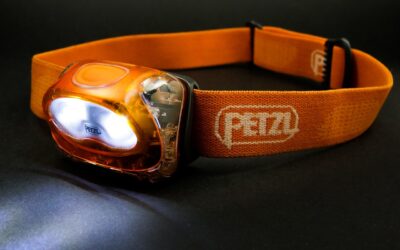
For any task that needs both hands, a headlamp beats a handheld flashlight every time. Whether you’re working under a sink, hiking at dusk, or fixing the car at night, a 200-to-400-lumen headlamp with an adjustable beam and a rechargeable battery is one of the most useful tools you can own. Look for a comfortable strap, a tilting head, and a red-light mode that preserves night vision. Quality headlamps from Black Diamond, Petzl, and Nitecore run $30 to $70.
Red Flags to Avoid
Amazon is full of listings claiming 90,000 or even 100,000 lumens for $12. These numbers are physically impossible for a pocket light; a true 100,000-lumen device would be blindingly hot and cost hundreds of dollars. Treat absurd lumen claims and brand names made of random capital letters as warning signs. Stick to established lighting brands with consistent reviews, real model numbers, and honest runtime charts. A trustworthy 1,000-lumen light from a known maker outperforms a fictional 90,000-lumen bargain every time.
Understanding Beam Type: Flood vs. Throw
One spec buyers overlook is beam shape, which matters more than raw brightness for real-world use. A “throw” beam concentrates light into a tight spot that reaches far, ideal for scanning a backyard, spotting an address, or signaling across a distance. A “flood” beam spreads light wide and close, perfect for working under a sink, walking a trail, or lighting up a whole room during an outage. Many quality lights offer an adjustable focus that zooms between the two. If you can only have one fixed beam, a slight flood with some throw, often called a “general purpose” beam, handles the widest range of household tasks.
Useful Extra Features
Beyond the core specs, a handful of conveniences separate a good light from a great one. A memory mode that returns to your last-used brightness saves you from cycling through a blinding turbo setting every time. A built-in power bank function lets a rechargeable flashlight top off your phone in an emergency, a genuinely useful feature during outages. A magnetic tail cap sticks the light to any metal surface for hands-free work on the car or furnace. A pocket clip, a lanyard hole, and a tail switch you can operate with gloves round out the practical extras worth seeking out.
- Mode memory: Returns to your last brightness instead of always starting on turbo.
- Battery indicator: Shows remaining charge so you’re never caught off guard.
- Lockout mode: Prevents accidental activation in a bag or pocket that drains the battery.
- Anti-roll body: A flat edge or clip keeps the light from rolling off a workbench.
How to Make Your Final Pick
Start by deciding the primary job: pocket carry, emergency backup, or heavy outdoor use. Then set a realistic lumen target, decide between rechargeable and disposable batteries, and confirm the IP rating matches where the light will live. Read the runtime at high output and scan reviews for complaints about premature dimming or charging failures. Follow that process, and the best flashlight on amazon for your needs becomes obvious, a dependable tool that lights up exactly when you reach for it.