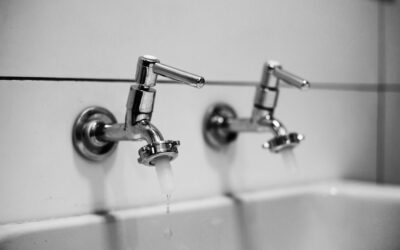
Most homeowners replace a faucet because the cartridge inside the cheap one they bought at the home center finally seized at year four. Picking the best sink faucet the first time around saves you a Saturday morning of demo work and another $200 down the road. Comparing specs, warranty terms and long-term owner reports for kitchens, baths, laundry rooms, and outdoor utility sinks, a clear short list of brands earns its price, while a few common upsells are not worth the markup. The real differentiators are cartridge type, valve body material, and warranty terms, not the marketing copy on the box.
- Top Picks on Amazon
- What Separates a Good Faucet From a Disposable One
- Top Kitchen Pick: Delta Leland Pull-Down
- Budget Kitchen Pick That Holds Up
- Best Bathroom Pick: Kohler Purist Widespread
- Bridge Faucets: Niche But Worth Knowing
- Touchless and Smart Faucets: Worth the Money?
- Finish Choices and How They Age
- Installation Tips That Prevent Callbacks
Top Picks on Amazon
What Separates a Good Faucet From a Disposable One
Three components determine how long a faucet survives: the cartridge, the valve body, and the spray head if applicable. Premium faucets use a ceramic disc cartridge from Kerox or Sedal that turns 500,000 cycles without leaking. Budget faucets use compression washers or low-grade ceramic that wear out in three to five years of daily use.
Valve bodies should be solid brass, not pot metal or zinc alloy. Pot metal corrodes from the inside out, especially in homes with mildly acidic well water. Look for the Lead-Free Brass mark on the spec sheet. Federal law mandates it under the Safe Drinking Water Act, but the construction quality still varies wildly across price points.
Top Kitchen Pick: Delta Leland Pull-Down
The touch version of Delta’s Leland uses the company’s Touch2O technology with a docking spray head. The valve is Delta’s Diamond Seal, which Delta says lasts twice as long as the industry standard, and it is backed by a lifetime warranty.
If you do not want the touch-on feature, the manual version is the Leland 9178-DST. Either version handles 1.8 gallons per minute, which is enough flow for filling stockpots without splashing in standard 8-inch deep sinks. The docking spray head is designed to stay seated rather than droop after a year, a common failure point on cheaper pull-downs.
Budget Kitchen Pick That Holds Up
The Moen Adler 87233 is the value champion. Moen replacement cartridges are available everywhere: every plumbing supply house in America stocks them. The Adler is a basic pull-down without bells and whistles, but the construction is honest and the lifetime warranty is real.
Avoid the under-$70 faucets at big-box stores. The plastic cartridges and pot metal bodies look fine on day one but start dripping at year three. The cost to replace the cartridge often equals the cost of a new budget faucet, so the lifecycle math never works out.
Best Bathroom Pick: Kohler Purist Widespread
Kohler’s Purist line uses solid brass throughout, a ceramic disc cartridge, and a finish that genuinely resists water spotting. The widespread configuration with three holes drilled 8 inches apart looks deliberate and high-end on stone or quartz countertops. Brushed nickel and matte black finishes hold up better than polished chrome over the long term; chrome shows every fingerprint.
For single-hole bathroom installs, the Kohler Composed K-73050 delivers the same internal quality with a cleaner countertop look. Both qualify as WaterSense at 1.2 GPM, enough flow for hand-washing without feeling weak.
Bridge Faucets: Niche But Worth Knowing
Bridge faucets connect the hot and cold valves with a visible horizontal bar across the front of the deck. They suit period-correct restorations of Victorian, farmhouse, and traditional kitchens. Most bridge faucets require three-hole installation with the spout on a separate base. Rohl, Newport Brass, and Waterstone make the better versions.
Expect to spend $600 to $1,400 for a quality bridge faucet. They function identically to standard two-handle faucets but cost more because of the styling and the additional brass tubing. Skip them in modern kitchens, since they look out of place with shaker or slab cabinetry.
Touchless and Smart Faucets: Worth the Money?
Motion-activated and voice-controlled faucets are mainstream now. Delta’s VoiceIQ, Moen’s U by Moen, and Kohler’s Konnect all integrate with Alexa and Google Assistant for hands-free operation. The novelty wears off fast, but the practical benefit shows up when your hands are covered in raw chicken or bread dough.
The downside is electronics inside a wet environment. Sensor faucets need a 6V or AC power source under the sink and the modules tend to fail at year five or six. Expect to replace the sensor pack at least once during the faucet’s life. Pay attention to whether the manufacturer sells replacement boards. Delta and Moen do; many off-brands do not.
Finish Choices and How They Age
Polished chrome remains the most affordable and most fingerprint-prone option. Brushed nickel and stainless finishes hide spots better and have dominated the past decade. Matte black is the current trend and looks striking but requires gentle cleaning, because abrasive pads strip the powder coat. Champagne bronze and brushed gold have come back from the 1980s with a more refined PVD coating and now resist tarnishing for 10-plus years.
Whatever finish you pick, match it across the rest of the room. Mismatched finishes between faucets, cabinet pulls, and lighting are the fastest way to make a kitchen look unintentional. Two finishes used deliberately can work; three or more rarely do.
Installation Tips That Prevent Callbacks
Use braided stainless supply lines, not plastic. The plastic ones split at the crimp fitting within five years. Hand-tighten the connection at the valve first, then snug it with a wrench just past finger-tight. Over-tightening crushes the gasket and causes the slow leak that ruins the cabinet bottom.
Pull out the aerator before turning the water back on for the first time. Sediment from the supply lines will clog the screen if you do not flush the line for thirty seconds with the aerator removed. Re-thread it after the water runs clear and verify the flow rate is normal. Replacing aerators every couple of years keeps flow consistent and is a $4 fix instead of an $80 service call.