
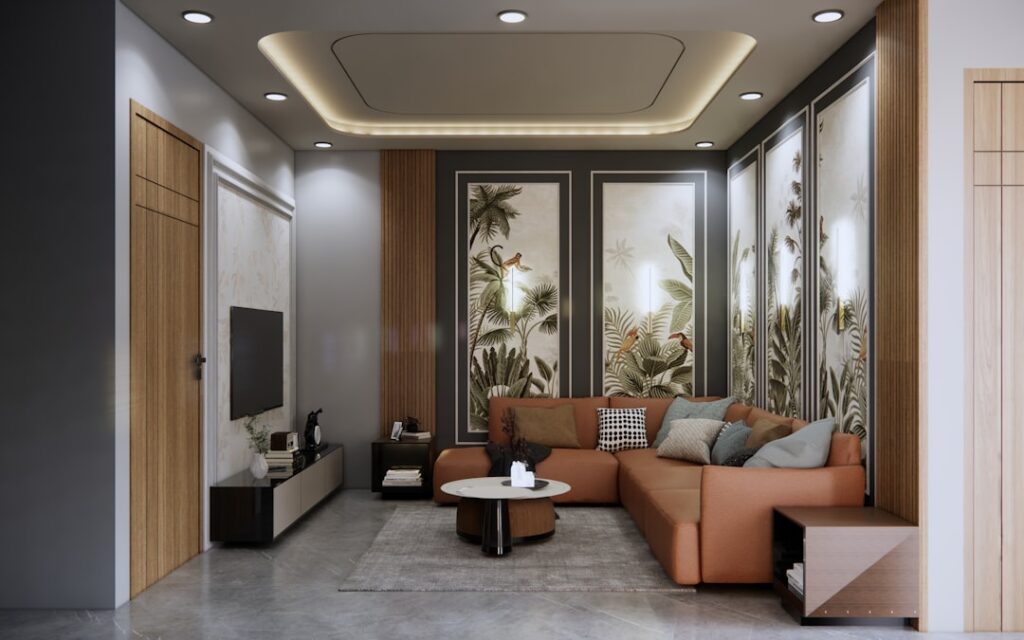
A floor that’s fine for everyone else can turn a hallway into an obstacle course for someone using a wheelchair or walker, where a thick rug or a half-inch threshold becomes a real hazard. The best flooring for wheelchairs and walkers is firm, smooth, slip-resistant, and free of high thresholds, so wheels roll easily and walker legs stay stable. Whether you’re aging in place or building an accessible home, this guide covers the top materials, what to avoid, and how to make transitions safe.
What Makes Flooring Accessible
Mobility-friendly flooring comes down to a handful of non-negotiable qualities. Get these right and almost any room becomes easier to navigate:
- Firm and hard surface: Wheels and walker legs need a solid base; soft, cushy floors create drag and instability.
- Smooth but slip-resistant: Easy to roll across, yet textured enough to prevent slips for those walking.
- Low or no pile: Thick carpet grabs wheels and catches walker tips.
- Flush transitions: No raised thresholds between rooms; height changes are a tripping and tipping risk.
- Easy to clean: Spills should wipe up fast to keep the surface safe and dry.
Top Pick: Luxury Vinyl Plank and Rigid Core
For most accessible homes, luxury vinyl plank (LVP) and rigid-core SPC flooring are the strongest all-around choice. They’re firm underfoot, smooth enough for effortless rolling, and available with slip-resistant textured finishes. The planks are thin, so transitions stay low, and they’re waterproof, which matters in homes where spills are more common. LVP is also comfortable, slightly softer than tile underfoot, and quieter than hard ceramic.
Look for a commercial-grade wear layer of 20 mil or more for durability under constant wheelchair traffic, which can scuff lighter residential products.
Porcelain and Ceramic Tile
Tile is a superb accessible surface when chosen carefully. It’s extremely firm, rolls beautifully, and lasts for decades. The key is slip resistance:
- Choose a textured or matte finish with a higher slip-resistance rating, not polished tile, which is slick when wet.
- Use larger tiles with minimal grout lines so wheels don’t bump across constant joints.
- Keep grout flush and well-sealed for a smooth, cleanable surface.
The trade-offs are that tile is cold and hard, so falls hurt more, and it requires a flat install. Adding area rugs is risky, so consider radiant heat for comfort instead.
Low-Pile Commercial Carpet
If carpet is preferred for warmth or fall cushioning, choose low-pile commercial-grade carpet or glued-down carpet tiles. These have a dense, short pile, often a quarter inch or less, with a firm backing that resists the drag of wheels. Glued-down installation eliminates the soft padding that makes residential carpet so hard to roll across. Avoid plush, high-pile, or cushioned-pad carpet entirely, since wheels sink in and walkers snag.
What to Avoid
Some popular floors are poor choices for mobility devices:
- Thick, plush carpet with padding: Creates major rolling resistance and instability.
- High thresholds and saddles: Anything over about a quarter inch becomes a barrier; bevel or eliminate them.
- Polished or glossy tile: Dangerously slick when wet.
- Loose area rugs: A leading trip and tip hazard; remove them or tape them flush.
- Uneven or wide-gap planks: Caster wheels and walker tips can catch.
Transitions and Thresholds Matter Most
Even the best floor fails if the doorways are bumpy. For true accessibility, aim for flush, beveled transitions throughout. Where two floors meet, use a low-profile beveled transition strip, ideally no more than a quarter inch high, sloped rather than stepped. Carrying the same flooring through multiple rooms eliminates transitions entirely, which is the gold standard for wheelchair use.
Cost to Budget
Accessible flooring spans a range:
- Commercial-grade LVP/SPC: Roughly $3 to $6 per square foot for materials.
- Slip-resistant porcelain tile: About $3 to $8 per square foot, plus higher install cost.
- Low-pile commercial carpet tiles: Around $2 to $5 per square foot.
- Beveled transition strips: A modest add, but essential to budget for.
Room-by-Room Considerations
Accessibility needs shift from room to room, so tailor the floor to each space:
- Bathrooms: Slip resistance matters most here; textured porcelain or slip-rated vinyl, with grab bars and a curbless shower entry.
- Kitchens: Spills are constant, so a firm, waterproof, slip-resistant LVP or matte tile works well.
- Living areas and bedrooms: LVP for easy rolling, or low-pile glued carpet if warmth and quiet matter.
- Hallways and entries: Durable, smooth flooring with flush transitions so wheels glide between rooms.
Carrying one continuous floor across these spaces eliminates transitions entirely and is the ideal scenario for someone using a wheelchair every day.
Safety Beyond the Floor
The floor is the foundation, but a few companion measures make a home truly mobility-friendly. Good, even lighting helps users see surface changes and avoid hazards. Removing loose rugs and securing any necessary mats with double-sided tape prevents trips. Adequate turning space, generally a 5-foot clear circle for a wheelchair, keeps maneuvering smooth on the new floor. Grab bars near transitions and in bathrooms add stability for walker users. None of these replace the right flooring, but together with a firm, flush, slip-resistant surface they create a home that’s genuinely safe and easy to move through.
Planning for Aging in Place
If you’re choosing flooring with the future in mind, it pays to build in accessibility before it’s urgent. Selecting firm, smooth, slip-resistant flooring with flush transitions now means you won’t have to tear it out later when mobility needs change. Rigid-core LVP is a popular aging-in-place choice precisely because it satisfies both today’s everyday comfort and tomorrow’s potential wheelchair or walker use. When remodeling, consider widening doorways to at least 32 inches of clear width, eliminating thresholds, and carrying one floor type through the main living areas. These choices cost little extra during a renovation but are expensive to retrofit afterward. Thinking ahead turns a routine flooring decision into a long-term investment in independence and safety.
The Bottom Line
The best flooring for wheelchairs and walkers is firm, smooth, slip-resistant, and flush from room to room. Rigid-core LVP is the most versatile choice, slip-resistant porcelain tile is the most durable, and low-pile glued-down carpet works when warmth matters. Avoid thick carpet, glossy tile, loose rugs, and raised thresholds, and prioritize beveled, flush transitions. Get the surface and the doorways right and the whole home becomes safer and easier to move through.
Prefer to explore on your own?
See how new flooring looks in your actual room in seconds — free, no signup.
Try the free Floor Studio →

