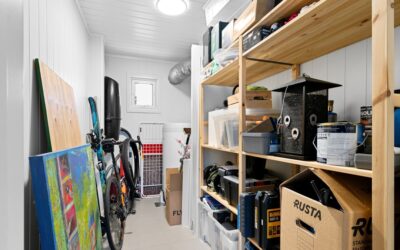
The average two-car garage holds enough clutter that one in four of them can no longer fit a single car. Reclaiming that space is not about buying more bins; it is about getting items off the floor and onto the walls and ceiling. The best garage organization systems use vertical and overhead space so the floor stays clear for vehicles, projects, and movement. This guide walks through the proven storage strategies, the products that hold up, and what it costs to turn a chaotic garage into a functional workspace.
Start by Getting Off the Floor
The golden rule of garage organization is simple: the floor is for parking and working, not storage. Every item you can mount on a wall or hang from the ceiling frees up usable square footage. Before buying anything, sort everything into keep, donate, and trash piles, then group the keepers by category, lawn and garden, tools, sports, automotive, and seasonal.
This sorting step tells you exactly how much wall, shelf, and overhead capacity you need, so you buy the right systems instead of guessing and over-spending. Most homeowners are surprised how much leaves during the purge alone, and a clearer garage often makes it obvious that you need far less storage than you assumed.
Wall Systems: Slatwall, Pegboard, and Rails
Walls are your biggest opportunity. The three main approaches each have a sweet spot:
- Slatwall panels: Horizontal grooved panels that accept hooks, baskets, and shelves anywhere. The most flexible and good-looking option, $4 to $10 per sq ft.
- Pegboard: The budget classic for hand tools, cheap and reconfigurable, though hooks pop out under heavy items, around $20 to $40 per 4×8 sheet.
- Rail/track systems: Brands like Rubbermaid FastTrack or Gladiator GearTrack use a wall rail with movable hooks rated for heavy items like bikes and ladders, $30 to $80 per kit.
Overhead Storage for Seasonal Items
The ceiling is prime real estate for things you use a few times a year, like holiday decorations, camping gear, and totes. Overhead racks bolt into ceiling joists and typically hold 250 to 600 pounds, suspending storage above where cars park or in the dead space near the garage door.
A standard 4×8-foot overhead rack runs $120 to $300 and can swallow a dozen storage totes. Just confirm the rack mounts into solid joists, leave clearance for the garage door track and opener, and keep the heaviest items low and balanced.
Shelving and Cabinets
For frequently used items you want at hand, freestanding or wall-mounted shelving and cabinets keep things visible and dust-free. Heavy-duty steel shelving units rated for 1,000-plus pounds total run $80 to $200 and hold paint, automotive fluids, and bulk supplies. Lockable cabinets are worth it for chemicals, power tools, and anything you want away from kids.
Wall-mounted cabinets keep the floor clear underneath, while tall freestanding units maximize storage in a corner. Look for adjustable shelves and a powder-coated finish that resists rust in a humid or unheated garage.
Specialty Storage Solutions
A few targeted products solve the most common garage headaches:
- Bike hooks and racks: Vertical wall hooks or ceiling pulleys clear floor space for multiple bikes.
- Tool organizers: Magnetic strips, drawer rolling carts, and french cleats keep hand and power tools sorted.
- Long-handle racks: Spring-grip or hook rails corral rakes, shovels, and brooms in one tidy line.
- Clear labeled totes: Stackable bins with labels make seasonal items easy to find and return.
Planning Your Layout and Budget
Zone the garage by function. Put automotive supplies near where you park, garden tools by the door to the yard, and a workbench in a corner with good light and an outlet nearby. Keep daily-use items at waist-to-eye height, heavy items low, and light seasonal items overhead.
Budget realistically: a basic DIY setup with shelving, a wall rail kit, and overhead racks can transform a two-car garage for $400 to $900. Premium slatwall plus cabinet systems run $1,500 to $4,000 or more, and professional design-and-install packages climb higher. Most homeowners get 80% of the benefit from the affordable mix of wall rails, overhead racks, and steel shelving.
The Bottom Line
Don’t Overlook the Floor and Climate
While the goal is to keep the floor clear, the floor surface itself deserves a thought. An epoxy or polyaspartic floor coating resists oil stains, wipes clean easily, and brightens the whole space, making an organized garage easier to keep that way. Interlocking PVC or rubber floor tiles are a DIY-friendly alternative that also protects the slab.
Climate matters for what you store and how. Unheated garages swing through temperature and humidity extremes, so keep anything sensitive, such as paint, electronics, and certain chemicals, in sealed containers or climate-controlled spots. Sealed bins also keep out the dust, pests, and moisture that damage stored goods over time.
Maintaining the System Long-Term
An organized garage stays organized only with light, regular upkeep. Do a quick reset every few weeks to return stray tools and items to their zones, and a deeper purge once or twice a year, ideally in spring and fall, to clear out what you no longer use. The one-in, one-out rule keeps clutter from creeping back: when something new comes in, something old goes out.
The best garage organization plan moves clutter off the floor and onto walls and ceilings, then keeps it there with zoned, labeled storage. Start by purging and sorting, invest in a flexible wall system and a couple of overhead racks, add heavy-duty shelving for bulk items, and reserve cabinets for anything that needs to be locked away. Do that and you will park in your garage again, find your tools in seconds, and keep the space functional for years.