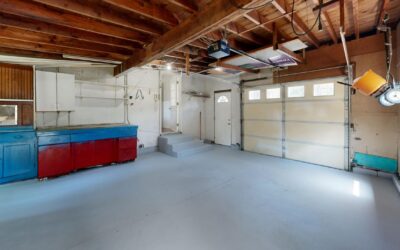
A garage swallows tools, sports gear, holiday bins, and half-finished projects until you can’t park a car in it. The most durable fix is metal garage storage, which outlasts particleboard and plastic because it shrugs off moisture, holds serious weight, and doesn’t sag or warp in an unconditioned space that swings from freezing winters to 100°F summers. The trick is matching the right type of metal storage to what you actually own.
- Why Metal Beats Wood and Plastic in a Garage
- The Four Main Types of Metal Storage
- Metal Cabinets: What to Look For
- Steel Shelving: Boltless Is Your Friend
- Wall Systems: Slatwall, Pegboard, and Rails
- Overhead Racks: Use the Ceiling
- Planning Your Layout
- Load Ratings and Safety
- Preventing Rust in a Damp Garage
- The Bottom Line
Why Metal Beats Wood and Plastic in a Garage
Garages are hostile environments for storage. They flood-splash from tires, collect road salt in winter, and bake in summer. Wood shelving swells and delaminates; plastic bins crack and shelving bows under load. Powder-coated steel and welded metal systems resist all of it. A quality metal cabinet holds 100 to 200 pounds per shelf, a metal wall bracket can hold a loaded bike, and heavy-duty steel racks carry hundreds of pounds without flexing.
The Four Main Types of Metal Storage
Most garage systems fall into four categories, and a well-organized garage usually combines all of them:
- Metal cabinets: Enclosed lockable storage for tools, chemicals, and anything you want hidden and dust-free.
- Freestanding steel shelving: Open boltless or riveted units for bins, paint, and bulk items.
- Wall-mounted systems: Slatwall, pegboard, and rail tracks that get gear off the floor.
- Overhead racks: Ceiling-mounted steel platforms for seasonal and rarely used items.
Metal Cabinets: What to Look For
Cabinets anchor most garage systems. When shopping, gauge is everything, and lower numbers mean thicker steel. Look for 20- to 24-gauge for light-duty and 18-gauge or heavier for a workshop that takes abuse. Check the shelf weight rating (100-plus pounds per shelf for real tool storage), adjustable shelves, and a powder-coat finish rather than cheap painted steel that chips and rusts. Base cabinets with a solid worktop can double as a workbench. Expect $150 to $500 per cabinet for solid consumer-grade units, and up to $1,500-plus for professional welded lines.
Steel Shelving: Boltless Is Your Friend
For open storage, boltless (rivet) steel shelving assembles in minutes with a rubber mallet and no tools. A typical 5-shelf unit measuring 72 inches tall by 48 wide by 24 deep holds 1,000 to 4,000 pounds total, distributed across shelves. Wire decking sheds dust and lets light through; solid steel or particleboard decks hold small items better. For a garage, buy units rated well above what you plan to load, because people always add more than they intend.
Wall Systems: Slatwall, Pegboard, and Rails
Vertical wall space is the most underused real estate in any garage. Metal wall systems reclaim it:
- Metal slatwall: Horizontal grooved panels that accept hooks, baskets, and shelves you can rearrange endlessly. Stronger than PVC slatwall for heavy tools.
- Steel pegboard: Far stronger than the classic hardboard pegboard and won’t tear out under a heavy tool.
- Track/rail systems: A mounted rail holds sliding hooks and accessories for bikes, ladders, and long-handled tools.
Whatever you choose, anchor it into studs. A wall system loaded with tools can carry hundreds of pounds, and drywall anchors alone will pull out.
Overhead Racks: Use the Ceiling
The space above the garage door and near the ceiling is perfect for bins you touch twice a year. Ceiling-mounted steel racks typically hold 300 to 600 pounds and hang 12 to 45 inches down from the ceiling. Two rules keep them safe: bolt the mounting brackets into ceiling joists, never just drywall, and keep the loaded rack clear of the garage door’s travel path and the door opener rails. Confirm clearance with the door fully open before you load it.
Planning Your Layout
Before buying, map the garage into zones. Group storage by how often you use things: daily tools at arm’s reach on wall systems, weekly items on shelving, and seasonal bins overhead. Keep at least 24 to 36 inches of walkway, and measure your parked vehicles with doors open so cabinets don’t block the swing. A common mistake is buying deep cabinets that eat into the parking bay; measure first.
Load Ratings and Safety
Respect the weight ratings printed on every unit, and remember those are for evenly distributed loads, not a single heavy item on one corner. Anchor tall freestanding shelving and cabinets to the wall with an anti-tip bracket, especially in earthquake regions and homes with kids. Store the heaviest items on lower shelves to keep the center of gravity low. For overhead and wall systems, always fasten into framing.
Preventing Rust in a Damp Garage
Even good steel can rust where moisture is constant. Choose powder-coated or galvanized finishes, keep units off a wet floor with feet or a base, and improve ventilation if condensation is a problem. Wipe up road salt and water splash, and touch up any chips in the finish promptly so bare steel doesn’t start corroding.
The Bottom Line
A smart metal garage storage plan layers all four types: lockable cabinets for tools and chemicals, boltless steel shelving for bins, wall systems to reclaim vertical space, and overhead racks for seasonal gear. Buy adequate gauge, respect load ratings, anchor everything into framing, and choose rust-resistant finishes. Do that and you’ll finally get the car back in the garage and keep it there.