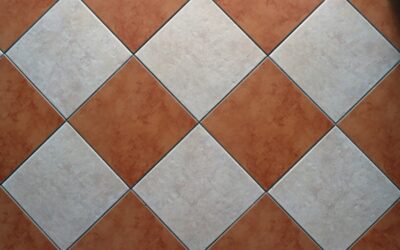
Choosing the best grout for shower floor installations comes down to one thing above all others: water resistance. A shower floor sees more standing water, foot traffic, and cleaning chemicals than almost any surface in your home, and the wrong grout will stain, crack, or turn moldy within a year or two. Getting the best grout for shower floor tile means weighing durability against ease of installation and cost.
Part of our Bathroom Remodeling & Flooring guide — explore the full guide →
- Top Picks on Amazon
- Why Shower Floor Grout Is Different
- Epoxy Grout: The Top Pick for Wet Areas
- Urethane Grout: The Easy Middle Ground
- Cement Grout: Budget Choice With Caveats
- Choosing the Right Grout Color
- Installation Tips for a Leak-Free Floor
- Sealing, Caulking, and Maintenance
- Final Recommendation
Top Picks on Amazon
Most homeowners default to whatever the tile store hands them, but grout is not a one-size-fits-all product. Below you will find a practical breakdown of the three main grout types, real price ranges, color guidance, and installation tips that keep your shower pan watertight for 15 to 20 years.
Why Shower Floor Grout Is Different
Shower floors demand more from grout than any wall or countertop. Water pools in the joints, drains constantly, and every joint on the floor sits at the low point where soap scum, hair, and hard-water minerals collect. The grout also has to flex slightly as the substrate expands and contracts with temperature swings from a hot shower to a cold morning.
Shower floor tiles are typically small format, meaning mosaic sheets measuring 1×1 inch or 2×2 inch, which creates dozens of extra linear feet of grout joint per square foot compared to a 12×24 inch floor tile. That extra joint area is exactly where failures start, so the grout you pick matters far more here than almost anywhere else in the bathroom.
Epoxy Grout: The Top Pick for Wet Areas
Epoxy grout is widely considered the best grout for shower floor use, and for good reason. It is made from epoxy resins and a filler powder rather than Portland cement, which makes it nearly waterproof, stain-resistant, and immune to the mold and mildew growth that plagues cement grout. You never have to seal it.
Expect to pay $8 to $15 per pound, with a typical shower floor needing 3 to 6 pounds, so budget $40 to $90 in materials. The tradeoff is working time: epoxy grout sets fast, often within 45 to 60 minutes, and it is stickier and harder to tool than cement grout. Brands like Laticrete SpectraLOCK and Mapei Kerapoxy are the standards. If you can afford it and have the patience to work in small sections, epoxy is the clear winner.
- Waterproof and stain-resistant with no sealing required
- Resists mold, mildew, and harsh cleaners
- Higher cost and a steeper learning curve to apply
- Best for shower floors, steam showers, and high-splash zones
Urethane Grout: The Easy Middle Ground
Single-component urethane grout, such as Bostik Dimension or TEC Power Grout, arrives premixed in a bucket and offers a genuine compromise between cement and epoxy. It is more flexible than epoxy, resists stains well, and skips the messy mixing step entirely. For DIY installers nervous about epoxy’s short pot life, urethane is often the smarter choice.
Pricing runs $30 to $60 per pail covering roughly 20 to 50 sq ft of small tile. The catch is cure time. Urethane needs good airflow and can take up to 7 days to fully cure, and it should not be used in constantly submerged areas or steam showers where it may soften. For a standard shower floor with normal drainage, it performs beautifully.
Cement Grout: Budget Choice With Caveats
Traditional cement-based grout comes in sanded and unsanded versions. For shower floor joints wider than 1/8 inch, use sanded grout; for tight joints under 1/8 inch, unsanded is appropriate. Cement grout is cheap at $15 to $25 for a 25-pound bag, and it is forgiving to work with, which is why it remains the most common option.
The downside is porosity. Cement grout absorbs water and must be sealed with a penetrating sealer at installation and re-sealed every 6 to 12 months. Skip the sealing and you will see discoloration, efflorescence, and mold. If budget is your main constraint, a quality polymer-modified cement grout like Mapei Ultracolor Plus FA, which is a hybrid with better stain resistance, is the best pick in this category.
Choosing the Right Grout Color
Color choice affects maintenance as much as looks. On a shower floor, medium-tone grays and beiges hide soap scum, hair, and mineral staining far better than bright white or jet black. White grout looks crisp on day one but shows every speck of dirt, while very dark grout reveals hard-water spots and soap film.
- Match grout to tile for a seamless, larger-looking floor
- Contrast grout to highlight a mosaic or geometric pattern
- Pick a mid-tone gray as the most forgiving all-purpose choice
Whatever color you choose, buy all your grout from the same lot number and mix full bags at once, because dye lots vary and partial mixing produces visible shading differences across the floor.
Installation Tips for a Leak-Free Floor
Even the best grout fails over a bad substrate. Confirm your shower pan is sloped at least 1/4 inch per foot toward the drain and that a waterproofing membrane sits beneath the tile. Grout is not waterproofing; it is a filler, and the membrane is what actually keeps water out of your subfloor.
Work in 3×3 foot sections, hold the float at a 45-degree angle to pack joints fully, and wipe diagonally with a barely damp sponge so you do not pull grout back out of the joints. For epoxy, keep a bucket of clean warm water and a scrub pad handy for the haze wipe, and never let residue dry on the tile face.
- Let thinset cure 24 to 48 hours before grouting
- Fill joints completely, pressing firmly with the float
- Wait 15 to 30 minutes, then do a light haze wipe
- Allow full cure before running water, typically 3 to 7 days
Sealing, Caulking, and Maintenance
Grout should never be run into the corners where the floor meets the walls or where the wall tiles meet. Those movement joints need flexible 100 percent silicone caulk color-matched to your grout, not rigid grout, because grout in a movement joint cracks as the structure shifts.
For cement grout, apply a penetrating silicone or fluoropolymer sealer 48 to 72 hours after grouting and reapply annually. Test whether sealing is still working by dripping water on the joint; if it beads, you are protected, and if it soaks in and darkens, it is time to reseal. Epoxy and urethane grouts need no sealer, which is a large part of their long-term appeal.
Final Recommendation
For most shower floors, epoxy grout is the best grout for shower floor durability and the lowest lifetime maintenance, and it is worth the extra cost and effort. If you want an easier install and can accept a slightly softer product, single-component urethane is an excellent runner-up. Reserve cement grout for tight budgets, and if you use it, commit to sealing on schedule. Whichever you choose, a properly sloped, waterproofed pan and clean caulk in the corners will do more for a leak-free shower than any grout upgrade alone.
Prefer to explore on your own?
See how new flooring looks in your actual room in seconds — free, no signup.
Try the free Floor Studio →