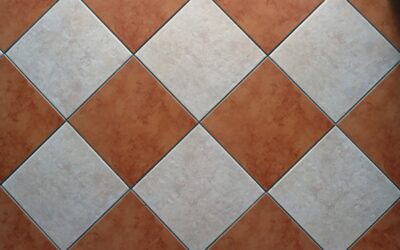
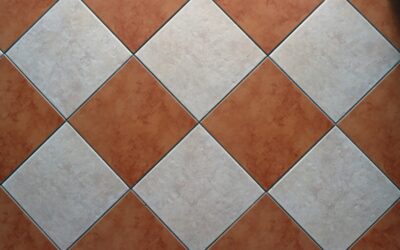
The wrong grout will stain inside three months and crack inside three years. The best grout for your project depends less on the brand and more on three things you control: the tile material, the joint width, and how much water the surface sees. Pick those right and a $40 bag does the same job as a $90 one. Pick wrong and you will be regrouting on a Saturday holding a grout saw and questioning your choices.
Part of our Tile & Grout guide — explore the full guide →
- Top Picks: Grout by Job and Joint Width
- 1. Custom Building Products Polyblend Plus Sanded Grout, 25 lb, Bone 382 (PBPG38225): Best Overall
- 2. Laticrete SpectraLOCK Pro Premium Epoxy Grout, Mini Unit Parts A and B: Best for Showers
- 3. Bostik EZ Clean TruColor Pre-Mixed Tile Grout, 9 lb, Misty Gray H144: Best Pre-Mixed
- 4. Mapei Keracolor U Unsanded Polymer Grout, 10 lb, Avalanche: Best Unsanded
- 5. Mapei Ultracolor Plus FA Powder Grout, 10 lb, Warm Gray 93: Best for Outdoor Patios
- The Three Real Grout Types
- Sanded Cement Grout: Best for Most Floors
- Unsanded Cement Grout: Walls and Tight Joints
- Epoxy Grout: Best for Showers and Wet Areas
- Urethane Grout: Halfway House
- Joint Width Determines the Pick
- Color Choice That Ages Well
- Sealing After Install
- Best Grout for Specific Projects
- What to Avoid
- Mixing and Application Tips
- Final Word
Top Picks: Grout by Job and Joint Width
Each recommended grout type is matched to an Amazon listing, checked for what the listing says about joint width, sealing, curing, and what comes in the package. Picks are based on published listings and maker claims, not hands-on tests.
| Product | Best for | Grout type | |
|---|---|---|---|
| 1. Polyblend Plus Sanded, Bone 382 | Best Overall | Sanded cement | Check price |
| 2. Laticrete SpectraLOCK Pro Mini | Best for Showers | Epoxy | Check price |
| 3. Bostik TruColor EZ Clean, Misty Gray | Best Pre-Mixed | Pre-mixed | Check price |
| 4. Mapei Keracolor U, Avalanche | Best Unsanded | Unsanded cement | Check price |
| 5. Mapei Ultracolor Plus FA, Warm Gray | Best for Outdoor Patios | Fine aggregate powder | Check price |
1. Custom Building Products Polyblend Plus Sanded Grout, 25 lb, Bone 382 (PBPG38225): Best Overall

Sealed sanded cement grout is the right call for about 90 percent of residential tile, and Custom Building Products is the workhorse brand for floor joints from 1/8 to 5/8 inch. This is the Polyblend Plus sanded version in Bone, a warm neutral that suits kitchen floor tile and hides everyday dirt better than bright white.
Custom Building Products describes it as polymer fortified, mixed with water only, with improved color consistency and better resistance to efflorescence. The 25 lb bag suits a full kitchen or bathroom floor rather than a small repair.
The listing does not give a joint width range, coverage figure, or sealing advice. As a cement grout it still needs a penetrating sealer within 72 hours of install, as covered above, and a fresh coat every two to three years on floors. Check the bag for the maker’s own mixing and cure times.
| Model | PBPG38225 |
|---|---|
| Type | Sanded, polymer fortified cement |
| Color | Bone 382 |
| Size | 25 lb bag |
| Mixing | Water only |
Why It Stands Out
- Sanded cement, the default for floor joints
- Bone color suits kitchen floors
- Full 25 lb bag for whole-room jobs
Pros and Cons
Pros
- Forgiving to mix and clean off tile
- Maker claims better efflorescence resistance
- Wide color range in the line
Cons
- Needs a penetrating sealer after install
- Listing gives no joint width or coverage
2. Laticrete SpectraLOCK Pro Premium Epoxy Grout, Mini Unit Parts A and B: Best for Showers

Laticrete SpectraLOCK Pro Premium is the gold standard epoxy grout for shower walls, shower floor pans, and backsplashes, anywhere water and food reach the tile. The mini unit suits a small shower or backsplash, the scale of job a DIYer can finish in a full Saturday with careful mixing in small batches.
Laticrete says it never needs sealing, has low absorption for consistent color, and uses a non-sag formula for walls and floors. The listing rates it for interior and exterior use, including showers, swimming pools, and fountains, and for both new installs and regrouting.
Read the package contents carefully. This listing is only the Part A and Part B liquids; the Part C color powder that completes the grout is sold separately, so order both at the same time. Working time and cleanup timing are not on the listing, so read the instructions before you open the first pouch.
| Model | S-225CQ-NS-00 |
|---|---|
| Type | Epoxy, non-sag |
| Package | Mini unit, Parts A and B only |
| Also required | Part C color powder, sold separately |
| Use | Interior and exterior, incl. showers and pools |
| Sealing | Never needs sealing (maker claim) |
Why It Stands Out
- Epoxy built for showers and backsplashes
- No sealing, per Laticrete
- Rated for pools and fountains
Pros and Cons
Pros
- Stain resistant once cured
- Works on walls and floors
- Strongest sales rank of the grout picks
Cons
- Color powder sold separately
- Epoxy cleanup is sticky and working time is short
3. Bostik EZ Clean TruColor Pre-Mixed Tile Grout, 9 lb, Misty Gray H144: Best Pre-Mixed

Bostik TruColor is a pre-mixed grout, the middle ground between cement and epoxy. It comes ready to spread from the bucket, and pre-mixed grouts flex slightly, which suits plywood subfloors and large-format tile where a little give helps the joints survive seasonal movement without cracking.
Bostik says it is water based, made in the USA, installs up to 50 percent faster than traditional grouts, and never needs sealing. Color-coated quartz aggregate is meant to keep color uniform across the job, with over 30 shades in the line. The listing gives light traffic after 24 hours and water exposure or heavy use after 3 days.
The listing does not give a joint width range or coverage per bucket, and it does not say whether it is rated for submerged use, a common limit of pre-mixed grouts. Do not use it in a pool or fountain without checking Bostik’s data sheet, and buy enough from one batch to finish the job.
| Model | 30629794 |
|---|---|
| Type | Water-based pre-mixed |
| Color | Misty Gray H144 |
| Size | 9 lb |
| Cure | Light traffic 24 hr; water or heavy use 3 days |
| Sealing | Never needs sealing (maker claim) |
Why It Stands Out
- No mixing, open and spread
- No sealing, per Bostik
- Clear cure times on the listing
Pros and Cons
Pros
- Faster install claim
- Uniform color from coated quartz
- Slight flex suits plywood subfloors
Cons
- No joint width or coverage listed
- Submersion rating not stated
4. Mapei Keracolor U Unsanded Polymer Grout, 10 lb, Avalanche: Best Unsanded

Mapei Keracolor U is an unsanded grout for joints narrower than 1/8 inch, mostly wall tile and polished marble where sand would scratch the surface. Use it wherever sanded grout would wedge into a tight joint and leave voids, and wherever a smooth, gritless finish matters on stone that shows every mark.
Mapei lists it as a premium unsanded grout with polymer for joints from 1/16 to 1/8 inch, rated for interior and exterior floors and walls. It comes in a 10 lb bag, a practical size for a backsplash or a shower wall.
As a cement grout it still needs a penetrating sealer, which the listing does not mention. The listing also notes that on-screen color is for reference only, and the product photo is shared across several color listings, so check a physical color chart before ordering.
| Part number | 8101021 |
|---|---|
| Type | Unsanded cement with polymer |
| Joint width | 1/16 to 1/8 in. |
| Color | Avalanche |
| Size | 10 lb bag |
| Use | Interior and exterior floors and walls |
Why It Stands Out
- Joint width stated on the listing
- Safe choice for polished stone
- Floor and wall rated
Pros and Cons
Pros
- Smooth finish in narrow joints
- Safe for polished marble
- Indoor and outdoor rating
Cons
- Needs sealing like any cement grout
- Same photo used for every color
5. Mapei Ultracolor Plus FA Powder Grout, 10 lb, Warm Gray 93: Best for Outdoor Patios
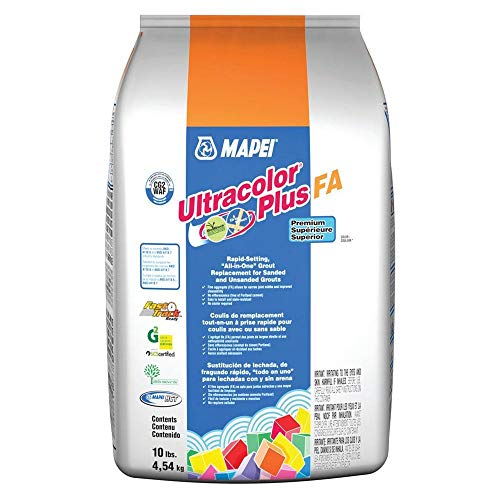
Mapei Ultracolor Plus FA is a strong choice for outdoor patio tile. Warm gray follows the rule of picking a warm neutral one shade darker than the tile on floors, so the grout does not look dingy after a year or two of foot traffic, dirt, and weather on an exterior slab.
Mapei lists a fine aggregate that allows narrow joint widths and improves cleanability, a stain-resistant finish that is easy to install, no efflorescence, and no sealer required. A 10 lb bag mixes with 1 to 1.1 quarts of water, so a patio-sized job will need several bags; plan quantities against your tile layout before mixing the first one.
The listing says the grout is free of Portland cement and needs no sealer, so its care differs from the sealing routine for cement grouts; follow the maker’s instructions for this product. The listing does not give a joint width range or coverage figure, so check Mapei’s data sheet for both before you buy bags.
| Part number | 6BU009305 |
|---|---|
| Type | Fine aggregate powder, free of Portland cement |
| Color | Warm Gray 93 |
| Size | 10 lb bag |
| Mixing | 1 to 1.1 qt water per bag |
| Sealing | No sealer required (maker claim) |
Why It Stands Out
- Suits outdoor patio tile
- No sealer needed, per Mapei
- Mixing ratio printed on the listing
Pros and Cons
Pros
- Resists efflorescence on exterior slabs
- Fine aggregate cleans off tile easily
- Warm neutral color
Cons
- Care routine differs from standard cement grout
- No joint width or coverage listed
Facts below come from Amazon listings as of October 2026 and can change, so check the current listing, color, and package contents before buying.
The Three Real Grout Types
Strip away the marketing and there are three categories of grout that matter:
- Cement-based (sanded and unsanded): cheapest, porous, needs sealing
- Epoxy: bulletproof, waterproof, expensive and tricky to install
- Urethane and pre-mixed acrylic: middle ground, ready out of the bucket
Each one has a job where it wins and a job where it fails. Use them in the right place and you will not think about your grout for 15 years.
Sanded Cement Grout: Best for Most Floors
Sanded cement grout (Custom Building Products Polyblend Plus Sanded) is the workhorse for tile floors with grout joints between 1/8 inch and 5/8 inch. The sand bulks up the mix and prevents shrinkage in wider joints. You must seal it with a penetrating sealer like Aqua Mix Sealer’s Choice Gold within 72 hours of installation, and again every two to three years.
It is forgiving to mix and clean off tile faces. Color selection runs deep: Mapei alone offers 40 standard colors. The downside is porosity. Coffee, wine, and bath products eventually win even with sealing.
Unsanded Cement Grout: Walls and Tight Joints
Unsanded cement grout is for joints under 1/8 inch, mostly wall tile and polished marble where sand would scratch. Mapei Keracolor U is reliable. Do not use sanded grout in joints under 1/8 inch; the sand wedges in, leaves voids, and looks gritty.
Epoxy Grout: Best for Showers and Wet Areas
Laticrete SpectraLOCK Pro Premium is the gold standard. It is a three-part system: Part A and Part B liquids plus a Part C color powder that is sold separately. Once cured, it is stain-proof, mildew-resistant, and never needs sealing. Showers, kitchen backsplashes, commercial floors: anywhere water and food touch tile, epoxy is the right answer.
The catch: working time is 45 to 75 minutes after mixing, and it is sticky and aggressive on tile faces. You need to wash the surface every 10 to 15 minutes during cleanup. Most pros charge a 25-30% premium to install it. For a DIYer doing a small shower, plan an entire Saturday and watch two installation videos before starting.
Urethane Grout: Halfway House
Bostik TruColor and Mapei Flexcolor CQ are pre-mixed urethane and acrylic grouts that come in a bucket ready to spread. They cost more than cement grout, cover about 60 sq ft of 12×12 tile with 1/8 inch joints, and offer better stain resistance than cement without epoxy’s headache. They flex slightly, which makes them a smart pick for plywood subfloors and large-format tile.
Limitations: not all are rated for full submersion (pools, fountains), and color selection is narrower than cement.
Joint Width Determines the Pick
Match the grout to the joint width or it will fail:
- 1/16 to 1/8 inch: unsanded cement or fine-grain urethane
- 1/8 to 3/8 inch: sanded cement, urethane, or epoxy
- 3/8 to 1/2 inch: sanded cement only
- Over 1/2 inch: wide-joint sanded grout, sometimes called brick joint
Color Choice That Ages Well
Light grout looks crisp on day one and dingy by year two on floors. For floor tile, choose a color one shade darker than the tile or a warm neutral like buff or pewter. White grout belongs on shower walls and kitchen backsplashes only, paired with epoxy. On natural stone, choose a color that matches the stone’s mid-tone, never bright white against travertine.
Sealing After Install
Cement grout requires sealing. Use a penetrating sealer, not a topical one. Wipe on with a foam brush, let dwell 5 minutes, and buff off with a clean rag before it dries on the tile face. Two coats are better than one. Reseal every 2 to 3 years on floors and every 4 to 5 years on walls.
Best Grout for Specific Projects
- Kitchen floor tile: Custom Polyblend Plus Sanded, Pewter or Bone color
- Shower walls: Laticrete SpectraLOCK epoxy
- Shower floor pan: Laticrete SpectraLOCK epoxy (small joints, sanded epoxy)
- Bathroom backsplash: Mapei Flexcolor CQ urethane
- Outdoor patio tile: Mapei Ultracolor Plus FA, a Portland-cement-free grout that needs no sealer
- Marble or polished stone: Mapei Keracolor U unsanded
What to Avoid
Skip the cheapest no-name cement grout from big-box clearance racks. The pigment fades unevenly and the polymer content is inconsistent. Skip caulk in places that need grout. Change-of-plane joints (corners, where wall meets floor) need 100% silicone, but every other joint should be grout. Caulk yellows, shrinks, and tears within five years.
Mixing and Application Tips
Mix cement grout to a peanut-butter consistency in a clean bucket. Let it slake for 5 minutes, then remix briefly before use. Spread with a 70-degree rubber float at a steep angle to push grout into joints, then a flatter angle to scrape excess off the tile. Wait 15 to 30 minutes before the first wash with a damp grout sponge. Too soon pulls grout from joints, too late and it sets on the tile face. Two passes with the sponge usually does it.
Final Word
For 90% of residential tile, sanded cement grout sealed properly is the best grout choice on cost and performance. Step up to epoxy in showers and step up to urethane on flexible substrates. Match the joint width, pick a color one shade darker than the tile, and seal it within 72 hours. The grout you forget about is the one you got right.