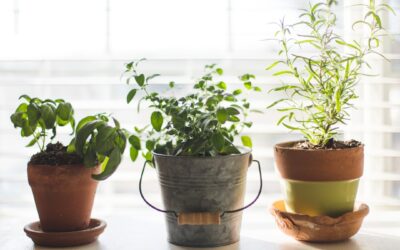
A windowsill herb garden fails most often in week three, and the culprit is almost never the plant. Too little light, overwatering, and cramming four varieties into a 6-inch pot kill more basil than any pest ever will. The best herbs to grow indoors are the ones matched to the light you actually have, not the ones the Pinterest photo promised. This guide walks through the eight most forgiving picks for a real-world US kitchen, plus the gear that keeps them alive through a January cold snap.
Part of our Windows & Doors guide — explore the full guide →
What Indoor Herbs Actually Need
Herbs are sun lovers. Most want 6 to 8 hours of direct light or 12 to 14 hours under a grow lamp. South-facing windows in Zones 5 through 9 usually deliver; north-facing windows rarely do without supplementation. A $35 Soltech Aspect clip light or a $60 Barrina LED strip solves the light problem for 90% of apartments.
Soil matters nearly as much. Use a fast-draining potting mix cut with 20 to 30% perlite. Skip garden soil entirely. It compacts in pots and holds water against roots, which is how most kitchen herbs drown by week four.
Basil: The Fast Grower
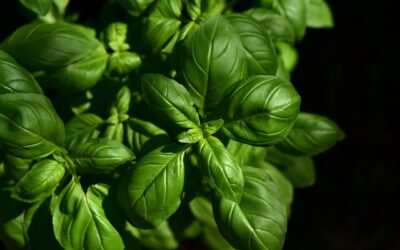
Basil is the crowd favorite and rightly so. Genovese and sweet basil varieties grow from seed to harvestable in 4 to 6 weeks at 70 to 75 degrees F. Pinch above a leaf pair every 10 days to force branching. One healthy plant yields a cup of leaves every two weeks.
Basil is also the dramatic one. It wilts within hours if the soil dries to bone, and it sulks below 60 degrees F. Keep it off cold window glass in winter.
Mint: Nearly Unkillable
Mint survives neglect, drought rebounds, and partial shade better than any herb I have grown. Spearmint and peppermint both do well in 6-inch pots with standard potting mix. Give it a spot with 4 to 6 hours of indirect light and water when the top inch of soil dries.
Plant mint in its own pot. Always. The runners will colonize any shared container within two months.
Chives: The Low-Light Winner
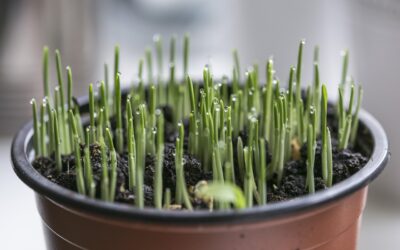
Chives tolerate the weakest windowsill in the house. A spot that gets 3 to 4 hours of filtered light is enough to keep a clump productive. Snip stems from the base with scissors, leaving 2 inches above the soil line to regrow.
Chives also do well under a grow lamp set to 12 hours daily. Divide the clump every 18 months to refresh growth.
Parsley: Slow and Steady
Flat-leaf Italian parsley outperforms curly types for culinary use and indoor growth alike. Germination takes 14 to 21 days, so many growers start with a nursery plant. Give it a 6 to 8 inch pot with at least 10 inches of depth for the taproot.
Parsley likes consistent moisture but despises soggy roots. Water when the top half-inch feels dry. Expect harvest cycles every 3 to 4 weeks.
Rosemary: The Diva
Rosemary is a Mediterranean shrub pretending to be a houseplant. It needs 6 hours of direct sun minimum, excellent drainage, and a careful hand with water. Let the top 2 inches dry completely between waterings. Yellow needles at the base almost always signal overwatering.
Choose a terracotta pot to help wick moisture. The Tuscan Blue and Arp varieties handle indoor conditions better than most.
Thyme, Oregano, and Sage: The Mediterranean Trio
These three share growing preferences: bright light, lean soil, and infrequent watering. All three do well in 4 to 6 inch pots with a gravel or perlite layer at the bottom. Water roughly once every 7 to 10 days in winter, twice weekly in peak summer.
- Thyme: English thyme is the most productive indoor variety
- Oregano: Greek oregano has the strongest flavor and upright growth
- Sage: Common garden sage stays under 14 inches indoors with regular pruning
Prune these three every 3 weeks to prevent woody stems. Once a stem goes woody, it rarely produces tender leaves again.
Gear That Pays for Itself
A 12-inch grow light rail, a moisture meter, and a basic self-watering planter cover most failure points. The XLUX soil moisture meter sells for around $10 and ends the guessing game on watering. A Click and Grow smart garden runs $100 to $200 and handles light, water, and fertilizer for six plants simultaneously, which makes it a reasonable gift for anyone who has killed more than two herb pots.
Fertilize lightly. A half-strength liquid kelp or fish emulsion every 3 to 4 weeks keeps indoor herbs producing. Heavy feeding pushes lush growth with weaker flavor.
Choosing What to Plant First
Start with three varieties that match your light and your cooking. For a sunny south window, a trio of basil, rosemary, and thyme covers 80% of weekday dinners. For lower light, pair mint, chives, and parsley. Running through this buying guide should make the best herbs to grow indoors for your specific kitchen obvious within a five-minute walkthrough.