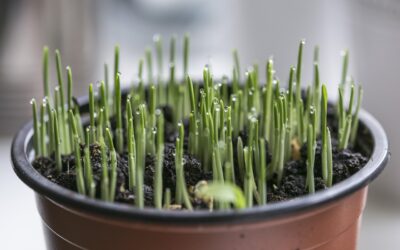
Growing your own herbs is one of the most rewarding home projects you can undertake. Fresh herbs enhance your cooking, save money on groceries, and bring life and fragrance to your living spaces. Whether you have a sprawling backyard or a small apartment balcony, there is a herb garden design that fits your space, budget, and lifestyle.
In this guide, we share 30 creative herb garden ideas for 2026, organized by location and style. We also cover the best herbs for beginners, layout tips, and how to integrate your herb garden with your outdoor patio and flooring design.
Indoor Herb Garden Ideas
1. Kitchen Windowsill Garden
The classic windowsill herb garden remains one of the most practical options. Line a south-facing window with matching terra cotta pots or a long planter trough containing basil, parsley, chives, and mint. Place a waterproof tray underneath to protect your laminate or hardwood flooring from drips.
2. Mounted Wall Planters
Wall-mounted planters save counter space and create a living art installation. Modular pocket planters, hanging mason jars, or wall-mounted rail systems with clip-on pots work well near kitchen windows where herbs get adequate light.
3. Tiered Indoor Herb Stand
A three or four-tier plant stand positioned near a sunny window holds six to twelve herb pots in a compact footprint. Metal, bamboo, and wood stands are available in styles that complement any kitchen decor.
4. Under-Cabinet Grow Light Garden
For kitchens without adequate natural light, install LED grow lights under cabinets and place herb pots on the counter below. Modern grow lights are slim, energy-efficient, and provide the full-spectrum light herbs need to thrive year-round.
5. Smart Indoor Herb Garden
Hydroponic smart gardens like the AeroGarden, Click & Grow, or Rise Garden automate watering, lighting, and nutrient delivery. These countertop units grow herbs 3 to 5 times faster than soil-based methods and require minimal maintenance. In 2026, several new models include app-connected monitoring and automatic nutrient dosing.
6. Hanging Macrame Herb Planters
Macrame plant hangers suspended from ceiling hooks or curtain rods bring a bohemian aesthetic while keeping herbs at window height for optimal light exposure. Group three to five hangers at varying heights for visual impact.
7. Repurposed Kitchen Container Garden
Plant herbs in repurposed containers — vintage tea tins, colanders, teapots, or ceramic mugs with drainage holes drilled in the bottom. This approach adds character and conversation pieces to your kitchen while being essentially free if you use items you already own.
Outdoor Herb Garden Ideas
8. Dedicated Herb Garden Bed
A traditional in-ground herb garden bed measuring 4 by 8 feet accommodates 10 to 15 different herb varieties. Position it near your kitchen door for convenient harvesting. Edge the bed with brick, stone, or landscape timber for a tidy, defined look that complements your patio flooring.
9. Herb Spiral
A herb spiral is a three-dimensional, spiral-shaped raised bed that creates multiple microclimates within a small footprint. Mediterranean herbs like rosemary and thyme go at the warm, dry top, while moisture-loving herbs like parsley and cilantro grow at the cooler, wetter base. A 5-foot diameter spiral accommodates 15 to 20 herb varieties.
10. Kitchen Garden Path Border
Plant low-growing herbs like thyme, oregano, and chamomile along garden paths. These herbs tolerate light foot traffic, release fragrance when stepped on, and soften the edges of stone or gravel pathways. This works particularly well alongside outdoor tile or paver patios.
11. Container Herb Garden on the Patio
Group herb-filled containers of varying sizes and heights on your patio or deck. Use a mix of terra cotta, glazed ceramic, and galvanized metal pots for visual interest. Elevate pots on plant stands or risers to prevent moisture damage to your deck or vinyl patio flooring.
12. Herb Garden in a Raised Stone Planter
Build a permanent raised planter from stacked stone, brick, or concrete blocks adjacent to your outdoor dining area. A 2 to 3-foot tall planter brings herbs to a comfortable harvesting height and creates an attractive landscape feature.
13. Wagon Wheel Herb Garden
An old wagon wheel (or a replica) laid flat on the ground creates natural divided sections for different herbs. Plant one variety in each section between the spokes. This classic design adds rustic charm and keeps herbs neatly organized.
14. Herb Garden Along a Sunny Fence Line
A long, narrow bed along a south-facing fence provides ideal growing conditions for most herbs. Tall herbs like dill and fennel go at the back (closest to the fence), medium herbs in the middle, and low-growing herbs at the front. For privacy fence options that complement your garden, check our guide on cheap privacy fence ideas.
Small Space & Apartment Herb Gardens
15. Vertical Pallet Herb Garden
Transform a wooden pallet into a vertical garden by stapling landscape fabric to the back, filling the slats with potting soil, and planting herbs in each opening. Lean or mount the pallet against a balcony wall for an instant garden that takes up almost no floor space.
16. Balcony Railing Planters
Railing-mounted planters hook over balcony railings and provide growing space without sacrificing any floor area. Choose planters with built-in drainage and saucers to prevent water from dripping onto neighbors below.
17. Stacking Planter Tower
Stacking planter systems (like the GreenStalk or Mr. Stacky) grow up to 30 plants in a 2-square-foot footprint. These tiered systems are ideal for apartment balconies and small patios. The top-watering design distributes water evenly to all levels.
18. Window Box Herb Garden
Exterior window boxes filled with herbs are visible from inside (adding greenery to your view) and accessible from outside for harvesting. Install them on south or west-facing windows for maximum sun exposure. Choose self-watering window boxes to reduce maintenance.
19. Shoe Organizer Herb Garden
A fabric over-the-door shoe organizer hung on a sunny wall or fence transforms into a vertical herb garden with 20 or more planting pockets. Poke drainage holes in the bottom of each pocket, fill with potting mix, and plant one herb per pocket. This is one of the most budget-friendly vertical garden solutions available.
Raised Bed Herb Gardens
20. Cedar Raised Bed
A 4 by 4-foot cedar raised bed is the perfect size for a kitchen herb garden. Cedar naturally resists rot and insects, looks beautiful, and is easy to build from standard lumber. Fill with a high-quality potting mix and plant your favorite culinary herbs in organized rows or clusters.
21. Galvanized Stock Tank Garden
Galvanized metal stock tanks (available at farm supply stores for $50 to $150) make attractive, durable raised beds for herbs. Drill drainage holes in the bottom, fill with soil, and plant. The industrial-farmhouse aesthetic is on trend in 2026 and complements modern outdoor living spaces.
22. Cinder Block Raised Bed
Standard cinder blocks stacked two or three courses high create an inexpensive raised herb bed. The hollow cores of the blocks can be used as individual planting pockets for smaller herbs like thyme, oregano, and chives, while the interior of the bed holds larger herbs.
23. Wicking Bed Herb Garden
A self-watering wicking bed uses a water reservoir beneath the soil to deliver moisture from below. This reduces watering frequency to once or twice a week and ensures consistent moisture levels. Wicking beds are particularly effective in hot, dry climates where herbs can dry out quickly.
Creative & Unique Herb Garden Designs
24. Herb Garden Chandelier
Repurpose an old chandelier by replacing the light fixtures with small pots of trailing herbs. Hang it from a porch ceiling or pergola beam for a whimsical, eye-catching conversation piece that doubles as a functional herb garden.
25. Herb Garden in a Birdbath
An old or cracked birdbath filled with potting soil creates a charming elevated herb planter. The shallow basin is perfect for drought-tolerant Mediterranean herbs like rosemary, thyme, sage, and lavender.
26. Gutter Herb Garden
Mount sections of rain gutter horizontally on a fence or wall, fill with soil, and plant herbs. This creates a multi-tier growing system for a few dollars per tier. Vinyl gutters work best as they do not corrode. Drill drainage holes every 6 inches along the bottom.
27. Herb Garden Table
Build or purchase a table with a built-in planter box in the center. Surrounded by seating, herbs are within arm’s reach during outdoor meals. Several furniture companies now sell patio tables with integrated herb planters designed for this purpose.
28. Mason Jar Herb Wall
Mount mason jars on a board using pipe clamps, fill with soil, and plant compact herbs like basil, chives, and cilantro. Hang the board in a sunny kitchen or on an exterior wall near your outdoor dining area.
29. Terraced Hillside Herb Garden
If your yard has a slope, terrace it with stone retaining walls and plant each level with different herbs. The natural drainage of a hillside is excellent for Mediterranean herbs that prefer drier conditions. This approach transforms an awkward slope into a productive and beautiful garden feature.
30. Herb Garden Wreath
Plant a living wreath form with compact herbs like thyme, oregano, and rosemary. Hang it on a kitchen wall or exterior door. As the herbs grow, they fill in the wreath shape, creating a fragrant, edible living decoration.
Best Herbs for Beginners
| Herb | Difficulty | Sun Needs | Water Needs | Indoor/Outdoor | Days to Harvest |
|---|---|---|---|---|---|
| Basil | Easy | Full sun (6+ hrs) | Moderate | Both | 60 – 90 |
| Mint | Very Easy | Partial to full sun | Moderate to high | Both | 60 – 90 |
| Chives | Very Easy | Full sun | Low to moderate | Both | 60 |
| Parsley | Easy | Full to partial sun | Moderate | Both | 70 – 90 |
| Rosemary | Easy | Full sun (6+ hrs) | Low | Both | 80 – 100 |
| Thyme | Easy | Full sun | Low | Both | 90 |
| Cilantro | Moderate | Partial to full sun | Moderate | Both | 45 – 70 |
| Oregano | Easy | Full sun | Low | Both | 80 – 90 |
| Dill | Moderate | Full sun | Moderate | Outdoor preferred | 40 – 60 |
| Sage | Easy | Full sun | Low | Both | 75 – 90 |
Layout & Design Tips
A well-designed herb garden is more productive and easier to maintain. Follow these layout principles for the best results.
Group by water needs. Mediterranean herbs (rosemary, thyme, sage, oregano, lavender) prefer dry conditions, while temperate herbs (basil, parsley, cilantro, mint, chives) need more moisture. Grouping herbs by water needs simplifies irrigation and prevents overwatering or underwatering.
Consider mature size. Rosemary can grow 4 feet tall, while thyme stays under 12 inches. Place tall herbs at the north side of the garden (or the back of the bed) so they do not shade shorter herbs.
Keep mint contained. Mint is aggressively invasive and will overtake a garden bed if not contained. Always plant mint in its own pot, even within a raised bed — bury the pot in the soil if you want a seamless look.
Include companion herbs. Some herbs grow better together. Basil and parsley are good companions, as are rosemary and sage. Avoid planting dill near fennel, as they can cross-pollinate.
Plan for succession planting. Fast-bolting herbs like cilantro and dill benefit from succession planting — sow new seeds every 2 to 3 weeks for a continuous harvest throughout the growing season.
Coordinate with your outdoor living space. Position your herb garden to complement your patio or deck design. A herb bed along the edge of a tile patio or next to an outdoor kitchen creates a functional and beautiful connection between cooking and growing spaces.
Frequently Asked Questions
What herbs can I grow indoors year-round?
Basil, chives, mint, parsley, oregano, and thyme all grow well indoors year-round with adequate light (at least 6 hours of direct sunlight or 12 to 16 hours of grow light per day). Rosemary and sage can also be grown indoors but prefer cooler temperatures and may struggle in heated winter environments. A south-facing window is ideal for indoor herb growing.
How much sun do herbs need?
Most culinary herbs need a minimum of 6 hours of direct sunlight per day. Mediterranean herbs (rosemary, thyme, sage, oregano) prefer 8 or more hours. Parsley, cilantro, and mint tolerate partial shade (4 to 6 hours of sun) and may actually perform better with afternoon shade in hot climates.
What is the easiest herb to grow?
Mint is widely considered the easiest herb to grow — it thrives in almost any condition and grows vigorously with minimal care. The challenge with mint is actually keeping it from taking over your entire garden. Chives and basil are also excellent choices for beginners.
How often should I water my herb garden?
Watering frequency depends on the herb, container size, and climate. As a general rule, check the soil daily and water when the top inch feels dry. Container herbs typically need watering every 1 to 2 days in warm weather. In-ground herbs need less frequent watering — about every 3 to 5 days. Mediterranean herbs prefer to dry out between waterings, while basil and parsley like consistently moist soil.
Can I grow herbs in the same pot?
Yes, but choose herbs with similar water and sun requirements. Good combinations for a single pot include rosemary, thyme, and sage (all drought-tolerant), or basil, parsley, and chives (all prefer moderate moisture). Avoid putting mint with anything else, as it will dominate the pot.
When is the best time to plant an herb garden?
For outdoor gardens, plant frost-sensitive herbs (basil, cilantro) after your last frost date. Hardy herbs (rosemary, thyme, sage, chives) can be planted 2 to 4 weeks before the last frost. Indoor herb gardens can be started any time of year. In most US zones, late spring (April to May) is the ideal planting window for outdoor herb gardens.