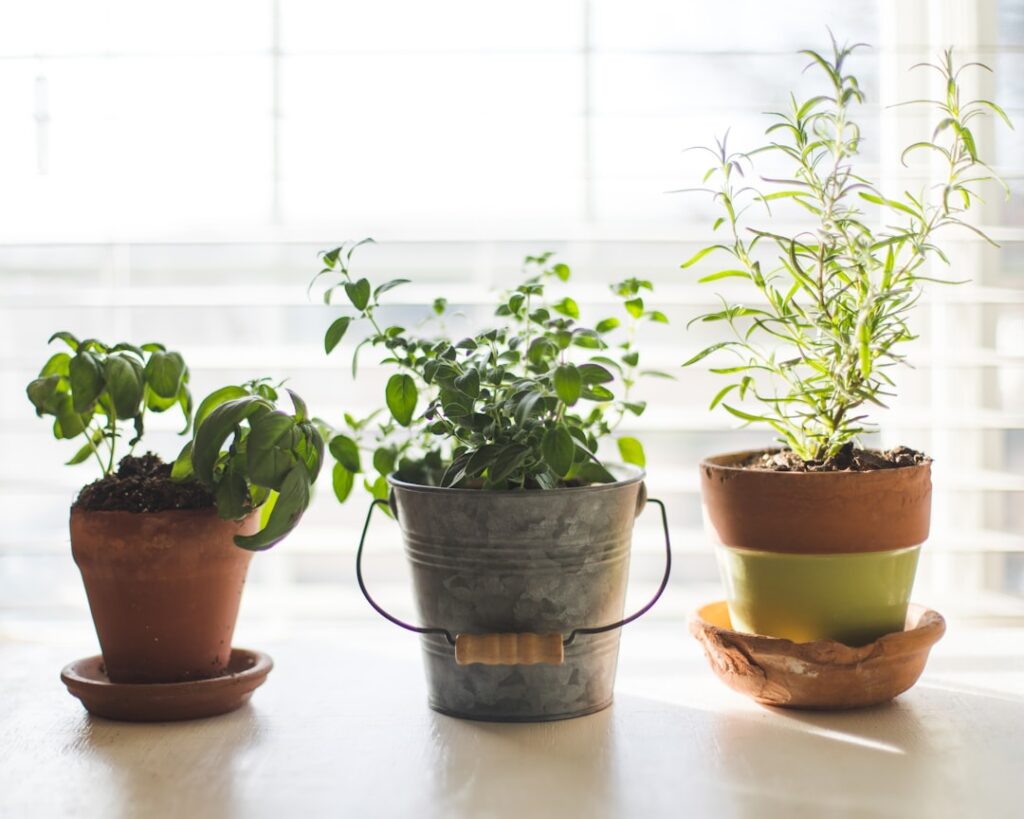
Fresh basil for pasta, mint for tea, and chives snipped straight into an omelet are all within reach, even if you have never gardened a day in your life. Knowing the herbs that grow well indoors is the first step toward a kitchen windowsill that produces flavor year-round, regardless of the weather outside. The trick is choosing plants suited to container life and matching them to the light your home actually offers. Get those two things right and the rest is easy.
Part of our Windows & Doors guide — explore the full guide →
This guide covers the most reliable indoor herbs, how much light and water they need, and how to harvest so your plants keep producing for months. Whether you have a sunny south window or nothing but a north-facing counter, there is a workable path forward.
The Most Reliable Indoor Herbs
Some herbs simply forgive beginners more than others. Basil tops most lists because it grows fast and signals its needs clearly, drooping when thirsty and perking right back up after a drink. Give it the warmest, brightest spot you have. Mint is nearly unkillable and actually prefers a pot indoors, since it would run rampant in a garden bed; a single plant supplies endless leaves for tea and cocktails.
Chives are another standout, tolerating cooler rooms and lower light while regrowing quickly after every trim. Parsley, both flat-leaf and curly, is a steady producer that handles moderate light gracefully. Together these four form the backbone of a beginner’s indoor herb garden and rarely disappoint even in an average kitchen.
Woody Mediterranean Herbs
Thyme, oregano, and rosemary come from the sun-baked Mediterranean and share a love of bright light and lean, well-drained soil. Thyme is compact and drought-tolerant, making it a natural fit for a small pot on a sunny sill; it asks only that you let the soil dry between waterings. Oregano behaves similarly and rewards regular pinching with bushier, more flavorful growth.
Rosemary is the diva of this trio. It craves at least six to eight hours of direct sun and good airflow, and it resents wet feet, which makes overwatering the leading cause of indoor rosemary death. If your home is dim in winter, rosemary is the herb most likely to need a supplemental grow light. Plant these three in a gritty mix and hold back on the watering can, and they will reward you with intensely aromatic leaves for cooking.
The Trickier Ones: Cilantro and More
Cilantro deserves an honest warning. It grows readily from seed but bolts quickly, sending up a flower stalk and turning bitter within a few weeks, especially in warm rooms. The workaround is to sow a fresh pinch of seed every two to three weeks so you always have young, tender plants coming along, a practice called succession sowing. Keep cilantro in your coolest bright spot to slow bolting.
Other worthwhile but slightly fussier options include sage, which wants excellent light and airflow, and lemongrass, which needs a large pot and warmth. Dill can work but grows tall and may need staking. For most homeowners, though, the reliable core of basil, mint, chives, parsley, thyme, oregano, and rosemary covers nearly every recipe without the frustration.
Light: Windows Versus Grow Lights
Light is the number one factor separating thriving herbs from leggy, pale failures. As a rule, most culinary herbs want at least six hours of direct sunlight a day. A south-facing window delivers the most and suits sun-lovers like basil and rosemary; east and west windows provide moderate light that parsley, chives, and mint handle well. A north window rarely supplies enough on its own.
When natural light falls short, especially from November through February, a grow light closes the gap. A simple full-spectrum LED fixture positioned 6 to 12 inches above the plants and run for 12 to 14 hours a day will keep herbs compact and productive. You do not need an expensive setup; even a clip-on LED bar over a cluster of pots transforms a dark kitchen into a viable growing space. Watch for stretching stems and wide gaps between leaves, the classic sign that a plant wants more light.
Watering, Soil, and Feeding
Overwatering kills more indoor herbs than any pest or disease. The reliable method is to check the top inch of soil with your finger and water only when it feels dry, then water thoroughly until liquid drains from the bottom. Basil and mint like consistently moist soil, while thyme, oregano, and rosemary prefer to dry out more between drinks. Always use pots with drainage holes and empty the saucer so roots never sit in water.
Use a quality potting mix rather than dense garden soil, which compacts and suffocates roots in a container. A pot 6 to 8 inches wide gives most herbs room to establish. Herbs are light feeders, so a diluted liquid fertilizer at half strength every three to four weeks during active growth is plenty. Overfeeding produces lush leaves with weaker flavor, so err on the lean side for the best-tasting harvest.
Harvesting to Keep Plants Producing
Harvesting correctly is what turns a single plant into a season of supply. For leafy herbs like basil, mint, and oregano, pinch or snip just above a pair of leaves or a leaf node, which prompts the plant to branch into two new stems. Never strip a plant bare; take no more than a third of its growth at once so it can recover and keep photosynthesizing.
For basil specifically, pinch out the top set of leaves regularly and remove any flower buds the moment they appear, since flowering signals the plant to stop producing leaves. Chives are harvested by cutting the grassy blades about an inch above the soil, and they regrow within a couple of weeks. Frequent, moderate harvesting actually keeps herbs bushier and more productive than leaving them untouched, so do not be shy about clipping.
Common Problems and Quick Fixes
Leggy, stretched-out stems almost always mean too little light; move the plant closer to a window or add a grow light. Yellowing lower leaves usually point to overwatering, so let the soil dry further and check that the pot drains freely. If leaf tips brown and crisp, the air may be too dry or the plant too close to a heat vent.
Pests occasionally hitchhike indoors, with aphids and spider mites being the usual suspects. A quick rinse in the sink or a spray of insecticidal soap knocks them back before they spread. Grouping herbs with similar needs together makes care simpler, but give each pot a little breathing room so air can circulate and fungal problems stay away.
Frequently Asked Questions
Which herbs are easiest for a total beginner?
Mint, chives, and basil are the most forgiving starting points because they grow fast and tell you clearly when something is off. Mint in particular is nearly impossible to kill and prefers a pot to the open garden. Master those three and you will build the confidence to branch into rosemary and thyme.
Can I grow herbs indoors without any direct sunlight?
You can, but only with a grow light making up the difference. Herbs need roughly six hours of strong light daily, and a north-facing room rarely provides it. A modest full-spectrum LED run 12 to 14 hours a day lets you grow a full herb garden even in a windowless kitchen corner.
How often should I water indoor herbs?
There is no fixed schedule; check the top inch of soil and water only when it feels dry. In practice that often means every two to four days for thirsty basil and mint, and less for drought-tolerant thyme and rosemary. Consistent checking beats a rigid calendar every time.
Why does my basil keep dying?
The usual culprits are too little light and too much water. Basil demands a warm spot with six or more hours of sun and soil that stays evenly moist but never soggy. Pinch off flower buds promptly and harvest from the top regularly to keep the plant vigorous and leafy.