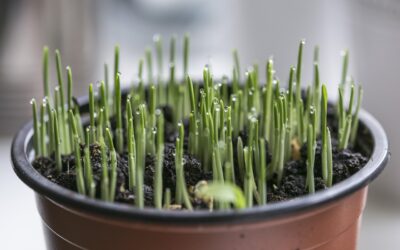
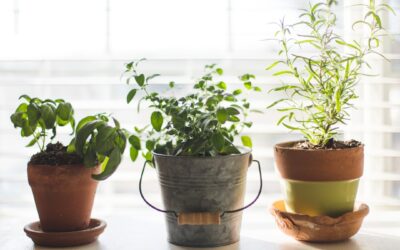
A bag of organic baby greens at the grocery store costs $5 and lasts maybe four days before it turns to slime. Learning to grow lettuce indoors turns that recurring expense into a 30-day-round harvest cycle that pays for itself in 8 weeks. Lettuce is forgiving, fast, and one of the few vegetables that genuinely thrives indoors year-round. This guide walks through container choices, lighting, soil versus hydroponic, the best varieties for small spaces, and the harvest method that keeps a single plant producing for weeks.
Part of our Windows & Doors guide — explore the full guide →
Why Lettuce Works Indoors
Lettuce evolved as a cool-season crop with shallow roots, modest light needs, and a fast life cycle. None of those traits require a sunny garden bed. With even a north-facing window plus a small grow light, you can keep three to four heads producing on a kitchen counter.
The plants do not need a pollinator, do not flower until they bolt, and tolerate a wide range of indoor temperatures (60 to 75 degrees F). Compare that to tomatoes or peppers, which need 8+ hours of intense light and pollination assistance, and lettuce wins on every dimension.
Pick the Right Variety
Not all lettuce performs equally indoors. Loose-leaf and butterhead types do best — they tolerate close spacing and produce continuously. Crisphead types (iceberg) want too much room and bolt quickly without the right cool nights.
- Buttercrunch — compact butterhead, sweet, slow to bolt
- Black Seeded Simpson — classic loose-leaf, fast and forgiving
- Salad Bowl — frilly green or red leaf, productive over 6+ weeks
- Tom Thumb — miniature butterhead, perfect for 4-inch pots
- Lollo Rossa — frilly red, looks great in a kitchen window
- Rouge d’Hiver — heritage romaine, cold-tolerant
Buy seed from Johnny’s, Botanical Interests, Burpee, or High Mowing. A $4 packet has 500 to 1,000 seeds — enough for years of indoor harvest.
Soil Setup
For container growing, lettuce needs:
- Pots 6 inches deep minimum (8 is better)
- Drainage holes at the bottom
- High-quality potting mix — Pro-Mix HP, FoxFarm Ocean Forest, or Espoma Organic
- Compost or worm castings mixed in at 10 percent volume
- Slow-release fertilizer (Osmocote) at half the labeled rate
Skip garden soil — it compacts in containers and brings pests indoors. A 12-inch shallow planter holds 4 to 6 lettuce plants in a cut-and-come-again rotation.
Lighting
Lettuce needs 10 to 14 hours of light per day. South-facing windows in summer can do it alone in many regions. Most other situations need supplemental light:
- LED grow lights — 20 to 40 watts of full-spectrum LED covers a 12×18 inch tray
- Fluorescent T5 fixtures — older but still effective, 2 to 4 inches above the plants
- Smart timers — set for 12 hours on, 12 hours off, ignore the rest
Position lights 4 to 8 inches above the leaves for LED, 2 to 4 inches for fluorescent. Lettuce that stretches and gets leggy needs more light or shorter distance.
Hydroponic Kits and the Counter Garden
Countertop hydroponic systems — AeroGarden, Click and Grow, iDOO, Rise Gardens — turn lettuce growing into a near-zero-effort hobby. Drop seed pods in, fill the reservoir with water and nutrients, and the system handles the rest. Harvest starts in 21 to 28 days and continues for 8 to 12 weeks per pod.
Costs run $80 to $400 for the unit, plus $15 to $20 in seed pods every cycle. The math works out roughly even with grocery-store prices over 18 to 24 months, though the convenience and freshness factor pushes most buyers to keep going.
For DIYers, a simple Kratky-method bucket (Mason jar plus net cup plus hydroponic nutrient solution) grows a head of lettuce for under $5 in materials and zero pumps or electricity beyond grow lights.
Watering and Feeding
In soil, water when the top half-inch dries out. Lettuce hates soggy roots — drainage is more important than moisture. A small drip tray under the pots catches overflow without letting plants sit in standing water.
Feed every 2 weeks with diluted liquid fertilizer (Fox Farm Big Bloom, Espoma Indoor!, or fish emulsion at half strength). Heavy feeding makes leaves grow fast but also pushes bolting. Lettuce wants steady moderate nutrition, not spikes.
For hydroponics, change the nutrient reservoir every 2 weeks and top off with plain water between changes.
Harvest Method That Keeps Plants Producing
The “cut-and-come-again” technique extends a single planting from one harvest into 4 to 6 weeks of continuous production. Instead of pulling the whole plant:
- Wait until the plant has 6+ true leaves
- Cut the outer leaves about 1 inch above the soil
- Leave the inner crown and growing point intact
- Repeat every 7 to 10 days as new leaves emerge
Plants typically produce 4 to 6 cuttings before they bolt or slow down. Stagger your seeding (start new pots every 2 to 3 weeks) for continuous supply.
Common Problems
Indoor lettuce hits four predictable problems:
- Leggy stretched plants — not enough light. Drop the light closer or upgrade.
- Bitter leaves — too warm (above 75 degrees F) or near bolting. Harvest sooner.
- Yellow leaves — overwatering or nutrient deficiency. Check drainage and feeding schedule.
- Aphids or fungus gnats — sticky traps, neem oil, or Mosquito Bits in the soil.
None of these are fatal — lettuce recovers fast once you fix the underlying cause.
Frequently Asked Questions
How long does indoor lettuce take to grow?
21 to 30 days from seed to first harvest with a cut-and-come-again technique. Heads take 50 to 70 days.
Do I need a grow light to grow lettuce indoors?
Strongly recommended. Even a south-facing window typically provides only 4 to 6 hours of usable light in winter.
What is the easiest lettuce to grow indoors?
Buttercrunch and Black Seeded Simpson — both forgiving, fast, and slow to bolt.
Can I grow lettuce in a small apartment?
Yes. A countertop hydroponic kit or a 12-inch planter on a sunny windowsill produces plenty for one or two people.
How many lettuce plants do I need for one person?
4 to 6 plants in continuous harvest mode, plus a new pot started every 2 to 3 weeks.