Fresh basil in February and a windowsill that smells like a Mediterranean kitchen are within reach of anyone with a few square feet of counter space. Indoor herb garden kits package everything a beginner needs, seeds or pods, growing medium, containers, and often a light, into one box, taking the guesswork out of growing herbs year-round. But the category spans everything from a $15 trio of seed pots to $200 self-watering hydroponic towers, and the right choice depends on your budget, your light, and how hands-on you want to be.
The payoff is real. A single grocery-store clamshell of fresh basil runs $3 to $4 and wilts in days, while a healthy plant produces continuously for months. Grow four or five herbs at once and a modest kit pays for itself within a season, all while giving you flavors that dried jars cannot match. Here is how to pick a system that actually thrives instead of dying on the counter by week three.
The Three Main Types of Kits
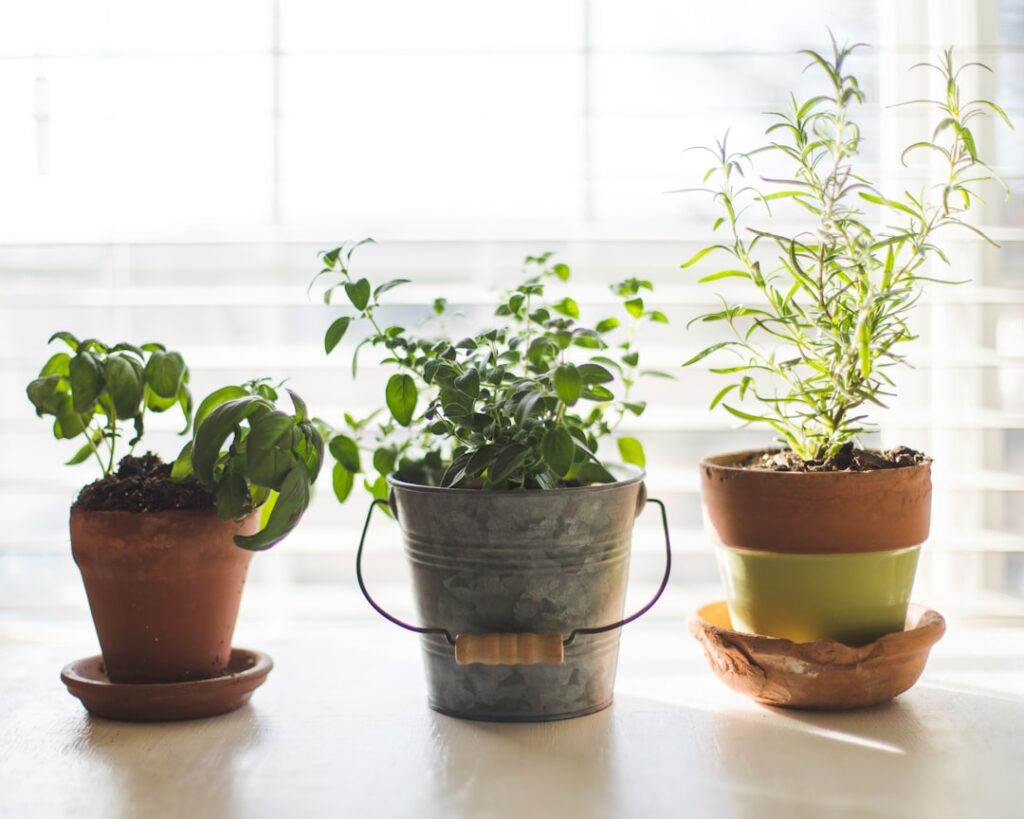
Soil-based kits are the simplest and cheapest, usually a set of small pots or a windowsill planter with peat pellets or potting mix and seed packets. They cost $15 to $40, feel familiar to anyone who has grown anything, and work well on a bright south-facing sill. The trade-off is that they depend entirely on the natural light you can provide and require you to judge watering by feel.
Hydroponic kits skip soil, suspending roots in water enriched with nutrients. These systems, from countertop units to vertical towers, run $60 to $250 and typically include a built-in LED grow light and a pump. Plants grow noticeably faster in hydroponics, sometimes 30 to 50 percent quicker than in soil, and the systems remove the guesswork of watering. The third category, grow-light kits, splits the difference, pairing soil pots with a small full-spectrum LED so you are not at the mercy of a dim apartment.
How Much Light Herbs Really Need
Light is the single factor that decides whether your herbs flourish or flop. Most culinary herbs are full-sun plants that want 6 to 8 hours of direct light daily. A south-facing window in summer can deliver that; the same window in December, or any north-facing window, cannot. This is why so many soil-only kits disappoint in winter and why built-in grow lights are worth the premium for most homes.
If you go the grow-light route, look for full-spectrum LEDs rated around 20 to 40 watts for a small counter unit, positioned 4 to 12 inches above the canopy and run on a timer for 14 to 16 hours a day. Herbs like basil, cilantro, and parsley reward good light with dense, flavorful growth, while starved plants stretch tall and pale, a condition called legginess that produces weak, bitter leaves.
The Best Herbs to Start With
Not every herb suits indoor life, so stack the deck in your favor. Basil, chives, mint, parsley, cilantro, and oregano are the reliable performers, germinating quickly and tolerating container life well. Basil in particular is the poster child of indoor herb kits: fast, forgiving, and productive with decent light.
Mint deserves a note of caution and praise. It grows so aggressively that it will crowd out neighbors in a shared planter, so give it its own pot, then enjoy how nearly unkillable it is. Rosemary, thyme, and sage grow more slowly and prefer drier conditions, making them better for patient gardeners. Avoid trying to grow woody perennials from seed in a beginner kit; buy those as starter plants instead if you want them.
What Separates a Good Kit From a Gimmick
Price does not always track quality, so judge on features. For soil kits, prioritize adequate pot size, at least 4 to 6 inches deep, since cramped roots stunt growth, and drainage holes with a catch tray. For hydroponic units, look for a decent water reservoir, roughly a week or more between refills, a quiet pump, and a light you can raise as plants grow.
Be wary of tiny novelty kits sold as decor, the ceramic hedgehog with a thimble of soil will grow almost nothing edible. The nicest touch on premium hydroponic systems is a low-water indicator and a nutrient-dosing reminder, which keep a busy household from accidentally starving the plants. Refill pods for brand-name hydroponic systems add ongoing cost, so factor $10 to $20 per replant into your budget.
Setting Up for Success
Place your kit before you plant. Herbs want a spot that stays between 65°F and 75°F, away from cold drafts and hot radiators. A kitchen counter near a bright window, or any spot where a grow light can run undisturbed, works well. Keep the setup away from the stove, where grease and heat swings stress plants.
Water is where most beginners fail, usually by overdoing it. Soil should feel like a wrung-out sponge, moist but never soggy, and letting the top inch dry between waterings prevents root rot, the number one killer of indoor herbs. Hydroponic systems handle this for you but still need periodic reservoir cleaning to prevent algae. Feed soil herbs a diluted liquid fertilizer every two to four weeks, since frequent harvesting depletes container nutrients fast.
Harvesting to Keep Plants Producing
Harvest correctly and a single planting feeds you for months. The golden rule is to never take more than a third of a plant at once, which lets it recover and keeps growth vigorous. Pinch basil and mint just above a leaf pair to encourage bushy branching rather than a single tall stalk, and snip chives near the base with scissors.
Regular harvesting is not just for the kitchen; it is essential maintenance. Herbs that are left unpicked will bolt, sending up flower stalks that turn the leaves bitter and signal the plant to slow leaf production. When basil tries to flower, pinch the buds off promptly to extend its productive life. Treated well, most indoor herb garden kits will keep a rotation of herbs on your counter for the better part of a year before you need to replant.
Common Problems and How to Fix Them
Even with a good kit, first-timers hit a few predictable snags, and each has a simple fix. Tall, pale, floppy stems mean the plants are stretching for light, so lower the grow light closer to the canopy or move the kit to a brighter window. Yellowing lower leaves usually signal overwatering; let the medium dry out more between waterings and check that pots are draining freely. Crispy brown leaf tips point to low humidity or salt buildup from over-fertilizing, remedied by flushing the pot with plain water and easing off the feed.
Slow or failed germination is almost always a temperature or moisture issue. Most herb seeds want soil around 65°F to 75°F and consistent moisture to sprout, so a cold windowsill or a mix that dries out will stall them. Cover newly seeded pots loosely to hold humidity until sprouts appear, then remove the cover so air can circulate. In hydroponic systems, watch for algae, the green film that grows in light-exposed water, and cut it off by shading the reservoir and cleaning it every couple of weeks. Catching these problems early keeps a productive kit from quietly declining into a row of struggling seedlings.
Is a Kit Worth It?
For most people, yes. A quality kit removes the two biggest barriers, light and watering discipline, that cause first-time herb gardeners to give up. If you have a genuinely sunny window and a green thumb, a simple $20 soil kit is all you need. If your home is dim, you travel, or you want the fastest, most foolproof results, spend the extra money on a hydroponic or grow-light system and enjoy fresh, homegrown flavor every day of the year.