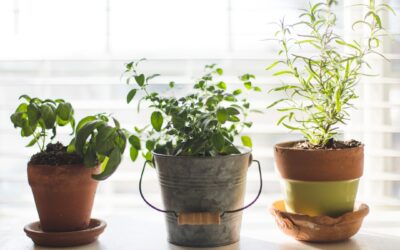
Most herbs that die in a container are not killed by pests or cold. They drown, or they starve for root room, because a thirsty basil and a drought-loving rosemary were planted in the same box and given the same watering. A good herb garden planter solves that with three decisions made before anything goes into the soil: a container deep enough for the roots you plan to grow, a mix that drains fast, and herbs grouped by how much water and sun they actually want.
The short version: choose a planter at least 8 to 12 inches deep, with drainage holes every few inches along the bottom. Fill it with a light potting mix cut with grit or perlite. Then put the Mediterranean herbs (rosemary, thyme, oregano, sage, lavender) together in one planter and the leafy, moisture-loving herbs (basil, parsley, cilantro, chives, dill) together in another. Mint goes in its own pot, no exceptions.
- Choosing the Right Herb Garden Planter Size
- Materials and What You Need
- Mixing Soil That Drains
- What to Group Together: Water and Sun Needs
- Step-by-Step: Planting Your Herb Garden Planter
- Hanging Herb Garden and Small-Space Options
- Ongoing Care and Harvesting
- Troubleshooting Common Problems
- General Cost Ranges
- When to Get Help
- Frequently Asked Questions
Everything else is refinement. Get sizing, soil, grouping and care right and you will have a planter that produces from late spring until frost instead of fading in July.
Choosing the Right Herb Garden Planter Size
Depth matters more than width. Shallow trays look tidy on a patio table, but most culinary herbs send roots down 8 inches or more once they settle in, and a shallow box dries out within hours on a hot afternoon. A deeper herb garden planter holds more soil, which means more stored water and steadier root temperatures.
Use these depth guidelines when you shop or build:
- 6 to 8 inches: chives, thyme, oregano, marjoram, cilantro grown for leaves. These root shallowly and tolerate a smaller soil volume.
- 8 to 12 inches: basil, parsley, sage, tarragon, mint. Parsley in particular has a long taproot and sulks in shallow soil.
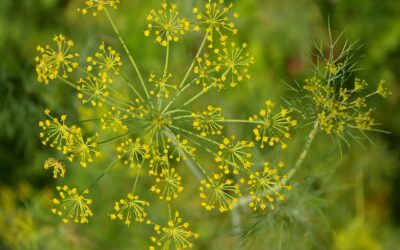
- 12 to 18 inches: rosemary, lavender, dill, fennel, bay. Woody perennials and tall umbel herbs need the extra depth to anchor and to survive a dry spell.
For width, give each herb roughly 10 to 12 inches of space. A planter 36 inches long and 12 inches deep comfortably holds three or four plants. Crowding five or six in that space works for a few weeks, then the plants compete for water and the smaller ones stall.
An elevated cedar planter box on legs is worth considering if you have a bad back, rabbits, or a deck where you would rather not set soil directly on the boards. Cedar resists rot naturally, the raised height puts the herbs at cutting level, and air moving under the box helps it drain. If you are building a raised herb bed at ground level instead, the same depth rules apply; you simply have more soil to work with.
Materials and What You Need
Gather everything before you plant so the roots are out of their nursery pots for as little time as possible.
- A planter with drainage holes (cedar, glazed ceramic, fabric, or thick plastic)
- High-quality potting mix (never bagged garden soil or topsoil, which compacts in containers)
- Perlite, pumice, or coarse horticultural grit
- Slow-release organic fertilizer or compost
- Landscape fabric or a fine mesh screen to keep soil from washing out the holes
- Pot feet or a stand if the planter will sit on a deck or patio
Material choice affects watering. Terracotta and unsealed wood breathe and dry faster, which suits Mediterranean herbs. Glazed ceramic and plastic hold moisture longer, which suits basil and parsley.
Mixing Soil That Drains
Herbs grown in containers need soil that holds some water but sheds the excess quickly. Plain potting mix stays too wet for rosemary and thyme, and garden soil turns to brick. Two mixes cover nearly every herb:
Dry mix for Mediterranean herbs
Combine about two parts potting mix with one part perlite or grit. Skip the moisture-retaining crystals some bagged mixes contain. Add only a light dusting of compost; these herbs develop stronger flavor in lean soil, and heavy feeding produces soft, bland growth.
Moist mix for leafy herbs
Use about three parts potting mix to one part compost, with a handful of perlite to keep it from packing down. Basil, parsley and cilantro are heavier feeders and appreciate the extra organic matter, plus a slow-release fertilizer worked in at planting.
In both cases, lay a piece of landscape fabric or mesh over the drainage holes. Skip the old advice of putting gravel in the bottom. A gravel layer actually raises the saturated zone in the pot rather than improving drainage, so roots sit in wetter soil, not drier.
What to Group Together: Water and Sun Needs
This is where most herb planters succeed or fail. Herbs come from very different native habitats, and a single box can only offer one watering schedule. Group them by need.
Mediterranean group: dry, full sun
Rosemary, thyme, oregano, sage, lavender, marjoram and savory evolved on rocky, sunbaked hillsides. They want 6 to 8 hours of direct sun and soil that dries out an inch or two down between waterings. In a planter together, water deeply, then wait. Overwatering is the most common way to kill them, and wet winter soil is a bigger threat to rosemary than cold.
Leafy group: moist, sun to part shade
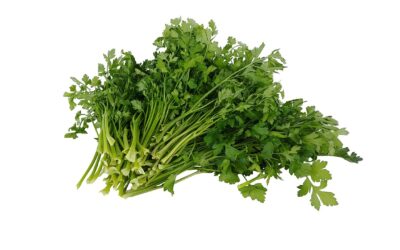
Basil, parsley, cilantro, chives, dill and chervil prefer evenly moist soil and will wilt fast if the planter dries completely. Basil wants full sun and warmth; parsley, cilantro and chervil tolerate afternoon shade and actually last longer before bolting when they get it. Water whenever the top inch feels dry, which in midsummer may be daily.
Mint and its relatives: alone
Mint, lemon balm and oregano’s more aggressive cousins spread by runners that will fill an entire planter in one season and choke everything else. Give mint its own pot, ideally 10 to 12 inches across. If you insist on including it in a mixed bed, plant it in a bottomless nursery pot sunk into the soil with the rim 2 inches above the surface, then trim runners that escape over the edge.
Step-by-Step: Planting Your Herb Garden Planter
- Pick the spot first. Watch the light for a full day. Mediterranean herbs need at least 6 hours of direct sun; leafy herbs need at least 4.
- Raise the planter. Set it on pot feet or a stand so water can escape and air can reach the base. On a wood deck, this also protects the boards from staining and rot.
- Cover the holes. Lay mesh or landscape fabric over the drainage holes.
- Fill and settle. Add your mix to within 2 inches of the rim, water it once to settle it, and top off any low spots.
- Loosen the roots. Tease apart circling roots gently. Plant at the same depth the herb grew in its nursery pot.
- Water in thoroughly. Water until it runs from the drainage holes, then let it drain completely.
- Mulch lightly. A thin layer of fine gravel around Mediterranean herbs keeps their crowns dry; a thin layer of shredded bark around leafy herbs slows evaporation.
Hanging Herb Garden and Small-Space Options
If you have no floor space, a hanging herb garden can work for compact, trailing herbs such as thyme, oregano, prostrate rosemary and chives. Hanging containers dry out much faster than floor planters because wind hits them from every side, so choose the largest basket your hook can safely support and line it with a moisture-retaining liner. Avoid basil and parsley in hanging baskets unless you can water twice a day in summer.
Ongoing Care and Harvesting
Harvest early and often. Pinching the top pair of leaves on basil every week makes it branch and keeps it from flowering. Cut no more than a third of any plant at once. For woody herbs, snip soft green tips and avoid cutting into old bare wood, which rarely resprouts.
Feed leafy herbs with a diluted liquid fertilizer every two to three weeks in summer. Mediterranean herbs need little or nothing beyond the initial compost. Check moisture by pushing a finger 1 to 2 inches into the soil instead of watering on a schedule; a planter in July and the same planter in May need very different amounts.
In cold climates, move rosemary and bay to a bright, cool indoor spot before the first hard freeze. Thyme, oregano, sage and chives usually overwinter outdoors in a planter if it drains well, though the roots are more exposed than they would be in the ground. Wrapping the container or pushing it against a sheltered wall helps.
Troubleshooting Common Problems
- Yellow lower leaves on rosemary or thyme: almost always too much water. Let the planter dry more between waterings and check that the holes are not blocked.
- Basil wilting by mid-afternoon: the planter is too small or too shallow. Move it to a larger container or give it afternoon shade.
- Cilantro flowering within weeks: heat triggers bolting. Sow cilantro in spring and fall, and give it afternoon shade.
- White crust on soil or pot: mineral buildup from tap water and fertilizer. Flush the planter with plain water until it drains freely once a month.
General Cost Ranges
A basic plastic or fabric planter costs very little, while a glazed ceramic pot runs moderately more. An elevated cedar planter box generally falls in the low to mid hundreds of dollars depending on size and construction. Potting mix, perlite and compost for a 36-inch planter usually add a modest amount, and nursery herb starts are inexpensive individually.
When to Get Help
For a large built-in planter on a deck or balcony, have someone confirm the structure can carry saturated soil. A local extension office can identify stubborn pests or diseases from a leaf sample.
Frequently Asked Questions
How deep should an herb garden planter be?
Aim for 8 to 12 inches for most culinary herbs. Shallow-rooted herbs like thyme and chives manage in 6 inches, while rosemary, lavender and dill do best with 12 to 18 inches.
Can I plant basil and rosemary in the same planter?
It is possible but not ideal. Basil wants consistently moist soil and rosemary wants to dry out between waterings, so one of them will usually suffer. Plant them in separate containers.
Why do I need to keep mint in its own pot?
Mint spreads aggressively by underground runners and will crowd out other herbs within one season. A separate pot keeps it productive without overtaking the rest of your planter.
Do herb planters need drainage holes?
Yes. Without drainage, water collects at the bottom and rots the roots. Choose a planter with several holes and avoid adding a gravel layer, which does not improve drainage.
How often should I water an outdoor herb planter?
Check the soil rather than following a calendar. Water leafy herbs when the top inch is dry and Mediterranean herbs when the top 1 to 2 inches are dry. In hot summer weather, leafy herbs may need water daily.