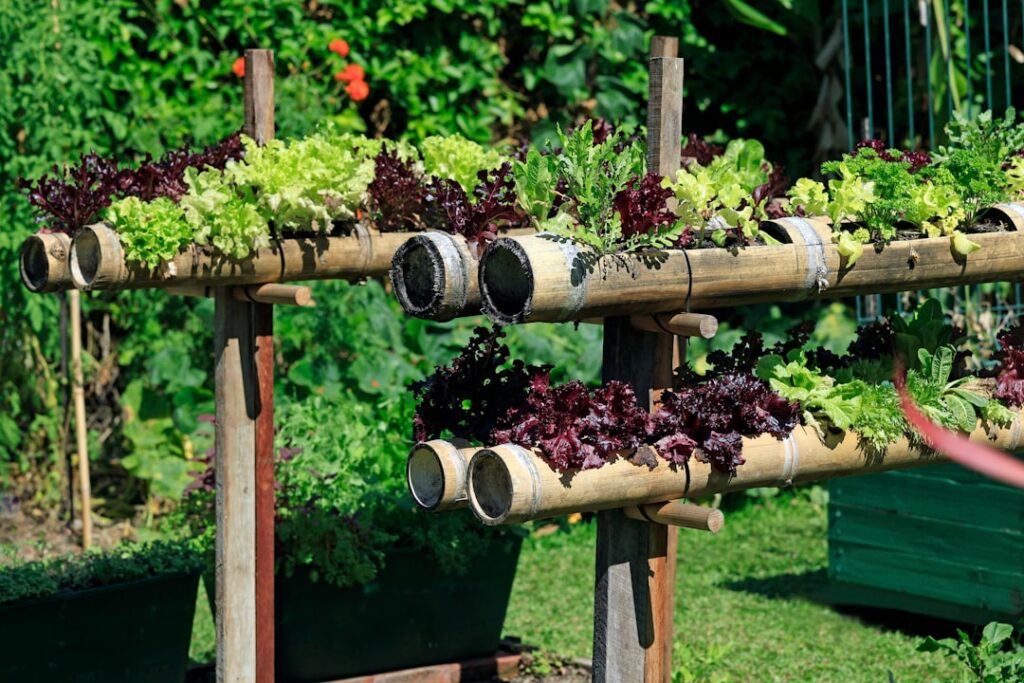
A windowsill holds maybe four small pots. A wall, on the other hand, can grow a dozen herbs in the same footprint. That is the appeal of a diy vertical herb garden: it turns unused vertical space into a productive, good-looking growing area without sacrificing floor room. Whether you have a sunny apartment balcony or a narrow patch beside the back door, building up instead of out lets you harvest fresh basil, thyme, and mint within arm’s reach of the kitchen.
Why Grow Herbs Vertically
Vertical gardening solves the two biggest problems home growers face: limited space and poor drainage. Stacked or wall-mounted planters keep soil from staying waterlogged, and they put plants closer to eye level so you actually notice when something needs water or harvesting. There is an ergonomic payoff too. You are not crouching over ground-level beds, which makes daily tending far easier on your back and knees.
Herbs are ideal candidates because most stay compact and have shallow root systems. A pocket planter only 6 to 8 inches deep is enough for cilantro, parsley, chives, and oregano. That shallow requirement is exactly why bulky vegetables like tomatoes struggle on a wall while culinary herbs thrive.
Planning Your Layout
Before buying anything, watch where the sun lands. Most culinary herbs want 6 hours of direct light daily, so a south- or west-facing wall is best in most US climates. Mark the wall height you can comfortably reach. A planter that tops out above 6 feet looks dramatic but becomes a chore to water and prune.
Sketch your spacing. Each herb needs roughly 6 to 8 inches of horizontal room and a few inches of air circulation between rows so leaves dry quickly after watering. Crowding invites mildew, the most common killer of indoor and balcony herbs.
Choosing a Structure
You have several proven options depending on budget and skill level:
- Wooden pallet planter: A reclaimed pallet stood upright, lined with landscape fabric and filled with soil, costs almost nothing and holds 9 to 12 plants. Sand it and seal with a food-safe outdoor finish.
- Hanging fabric pockets: Felt pocket organizers run $20 to $40 and mount with two screws. Each pocket drains on its own, which prevents the top plants from drowning the bottom ones.
- Stacked terra-cotta or rail planters: Clip-on rail boxes ($15 to $30 each) attach to a balcony railing and stack neatly along a sunny edge.
- PVC or gutter system: Lengths of vinyl rain gutter mounted in tiers create a clean, modern look and drain easily when end caps are drilled.
Step-by-Step Build
Here is a reliable sequence for a pallet-style wall garden, the most popular weekend project:
- Choose a heat-treated pallet stamped “HT” rather than chemically treated wood. Pry off any loose boards and sand the surface smooth.
- Staple landscape fabric across the back, bottom, and sides to form deep pockets that hold soil but let water drain.
- Lean the pallet flat and fill each cavity with a quality potting mix blended with about 20 percent perlite for drainage.
- Plant your herbs while the pallet is horizontal, then leave it lying down for two to three weeks so roots establish.
- Once roots grip the soil, lift the pallet upright and secure it to the wall with heavy-duty brackets or wall anchors rated for the loaded weight.
That waiting period matters. Tilting a freshly planted pallet vertically before roots take hold spills soil and stresses young plants.
Soil, Watering, and Feeding
Skip garden dirt entirely. It compacts in containers and drains poorly. Use a lightweight potting mix and amend it with perlite or coarse sand. Vertical gardens dry out faster than ground beds because more surface area is exposed to air, so check moisture daily in summer by pressing a finger an inch into the soil.
Top pockets always dry first. A simple drip line on a timer evens out moisture across the whole wall and saves you from hand-watering twice a day in July. Feed lightly every two to three weeks with a diluted liquid fertilizer at half the label strength. Herbs grown for flavor actually taste better when not overfed, so resist the urge to push growth.
Best Herbs for a Vertical Garden
Group plants by their water needs so neighbors stay happy:
- Thirsty herbs: basil, mint, parsley, cilantro. Keep these in lower or self-watering pockets.
- Drought-tolerant herbs: rosemary, thyme, oregano, sage. These prefer the faster-draining upper rows.
- Aggressive spreaders: mint and lemon balm. Always give them their own pocket or they will crowd everything else.
Mixing thirsty and dry-loving herbs in the same pocket is a common beginner mistake. One group always suffers.
Maintenance Through the Seasons
Pinch back leggy stems weekly to encourage bushy growth, and harvest from the top down so plants stay full. In cold climates, lift fabric or rail planters and bring them indoors near a bright window before the first hard frost. Perennials like rosemary and sage can overwinter outdoors in zones 7 and warmer if the wall offers some shelter.
Inspect for aphids and spider mites, which love the still air near a wall. A quick spray of insecticidal soap handles early infestations before they spread across the whole garden.
Light and Placement Indoors
If you are building your wall garden indoors, light becomes the limiting factor. Few interior walls receive the 6 hours of direct sun most culinary herbs crave. A bright south-facing window helps, but supplementing with a full-spectrum LED grow light dramatically improves results, especially through the short days of winter. Position the light 6 to 12 inches above the plants and run it 12 to 14 hours a day on a timer. Without enough light, herbs stretch tall and leggy, reaching toward the nearest window and producing sparse, weak foliage.
Indoor walls also need protection from water damage. Hang fabric pockets or planters with a waterproof backing or place a drip tray along the base so runoff does not stain drywall or warp wood trim. A small clip-on fan improves air circulation, which prevents the mildew that indoor herbs are especially prone to in still rooms.
Budgeting Your Build
One of the best things about a vertical herb garden is how little it costs. A reclaimed pallet is often free, and landscape fabric, staples, and potting mix for it run well under $30 total. A felt pocket planter costs $20 to $40, and rail boxes are $15 to $30 each. Herb seedlings from a garden center typically cost $3 to $5 apiece, or you can grow from seed for a few cents per plant if you start early. Even a fully outfitted wall with a drip timer rarely tops $100, and it pays for itself quickly when you stop buying $3 plastic clamshells of herbs at the grocery store.
Final Thoughts
A vertical herb garden rewards a single afternoon of building with months of fresh harvests and a living wall that softens any patio or kitchen corner. Start with five or six herbs you actually cook with, match them to the right pockets, and add a simple drip timer once you see how fast the top rows dry. Build it sturdy, give it adequate light, water it consistently, and the wall will keep producing long after the novelty wears off.