Pinterest is full of gorgeous mason-jar herb displays that wither within three weeks. The reality is that most kitchens have bad light, dry air, and inconsistent watering, the exact opposite conditions that herbs evolved to thrive in. A successful kitchen herb garden requires matching the right plants to your actual conditions, picking containers with drainage, and either harvesting an existing south-facing window or supplementing with grow lights. Get those three things right and you’ll cut fresh basil, parsley, and thyme into your dinner every night of the year.
Part of our Kitchen Remodeling guide — explore the full guide →
Pick the Right Herbs for Indoor Conditions
Not every herb is happy on a kitchen counter. Some need 8 hours of direct sun and dry between waterings, others tolerate shade and consistent moisture. Start with the easy winners.
- Basil: needs 6+ hours of bright light; harvest weekly to encourage bushy growth
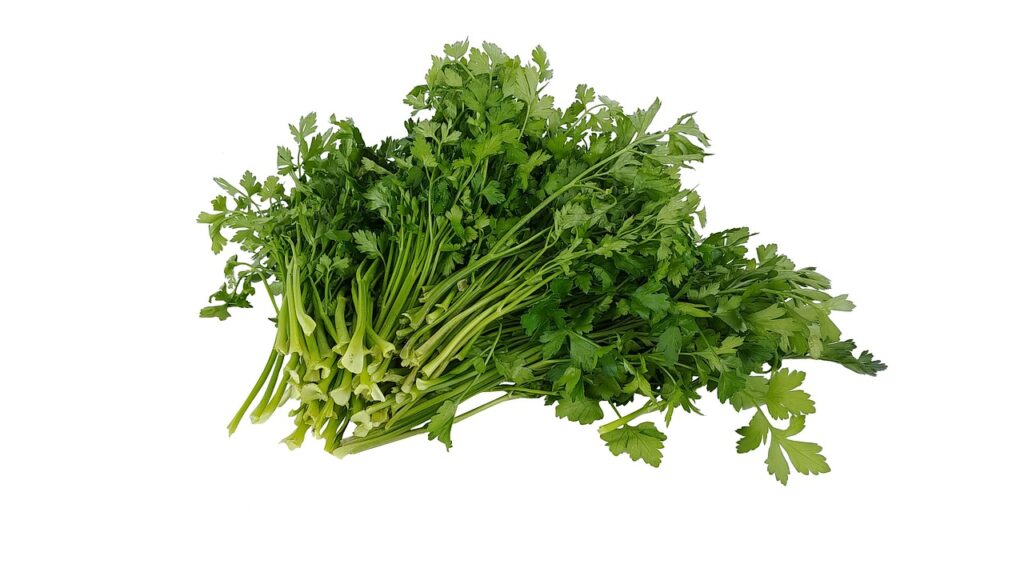
- Parsley: tolerates lower light; flat-leaf Italian outperforms curly in flavor
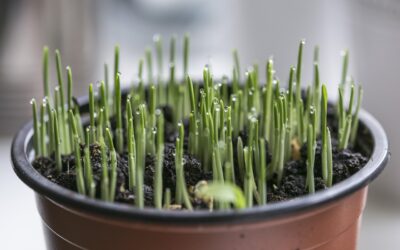
- Chives: nearly indestructible; bounces back from neglect within days
- Mint: aggressive grower; keep in its own pot or it will choke neighbors
- Thyme: drought-tolerant; allow soil to dry between waterings
- Oregano: low water, high light; pinches back to stay compact
- Cilantro: short-lived; replant from seed every 4 to 6 weeks
Skip rosemary unless you have an outstanding south-facing window. It hates indoor air and will go brown within a month in most kitchens.
Containers That Actually Work
A pretty pot without drainage will kill any herb in three weeks. Every container needs at least one drainage hole and a saucer to catch runoff. Terra cotta is the classic choice because it wicks excess moisture from the soil, the Hoffman 6-inch terra cotta pot at $4 works for everything from basil to chives.
For a more designed look, the IKEA SOCKER plant pot ($5) and the West Elm Concrete Cylinder ($28) both have drainage. Self-watering containers like the Lechuza Classico Color 21 ($49) include a built-in reservoir that simplifies watering for travelers or forgetful gardeners.
Light Is the Single Biggest Variable
Herbs need 6 to 8 hours of bright light per day, more than most kitchens provide naturally. Test your spot with a light meter app or by reading the shadow: if a hand placed 12 inches above the herb casts a sharp dark shadow, you have enough light. A blurry shadow means supplemental lighting is needed.
South-facing windows in winter often deliver only 3 to 4 hours of usable light. Add a Soltech Aspect Pendant ($300) or a Barrina T5 LED grow light strip ($45 for 4-pack) on a 16-hour timer to bridge the gap.
Self-Contained Smart Garden Systems
If your kitchen has zero usable light, dedicated indoor growing systems are worth the investment. The Click and Grow Smart Garden 9 ($199) holds 9 plants under a built-in LED, waters automatically, and ships with seed pods for basil, parsley, and mint. The AeroGarden Bounty ($249) goes larger with 9 pods and a touchscreen control.
Both deliver counter-top results equivalent to outdoor garden growth. Replacement seed pods run $20 for 9, or you can buy the Grow Anything pods ($15) and seed your own from packets.
Watering Without Killing Your Plants
Overwatering is the #1 killer of indoor herbs. Stick a finger 1 inch into the soil; if it comes out dry, water. If it’s still moist, wait a day. Water deeply enough that excess drains from the bottom, then dump the saucer so roots don’t sit in standing water.
Most kitchen herbs need water every 5 to 7 days in winter, every 3 to 4 days in summer. The exception: basil drinks daily in hot conditions. Use room temperature water; cold tap water shocks tropical herbs and stunts growth.
Soil and Fertilizer for Indoor Containers
Indoor containers need a peat-based potting mix with added perlite, never garden soil. FoxFarm Ocean Forest ($25 for 1.5 cubic feet) and Espoma Organic Potting Mix ($16) both work beautifully. Never use bagged “topsoil” or yard dirt, which compacts and harbors fungus gnats.
Feed lightly every 4 to 6 weeks with a balanced liquid fertilizer like Espoma Indoor Plant Food ($10) diluted to half strength. Heavy fertilizing produces lush growth with weak flavor; the best basil grows in slightly stressed conditions.
Harvest the Right Way for Endless Production
Cutting herbs incorrectly is the second most common reason kitchen herb gardens fail. Pinch basil from the top, just above a pair of leaves, never from the bottom up. This signals the plant to branch into a bushier shape.
- Wait until the plant has at least 6 to 8 mature leaves before first harvest
- Cut basil and oregano just above a leaf node, never strip from the stem
- Snip chives at 2 inches above soil with kitchen shears, leaving the base intact
- Harvest mint by pinching the top 4 leaves; new growth follows in 5 to 7 days
- Pull entire cilantro stems at the base; new stems regrow from the center
- Cut parsley outer stems first, leaving the inner growth point untouched
Pests and Common Problems
Indoor herb pests are usually fungus gnats, aphids, or spider mites. Yellow sticky traps from Stansport ($8 for 25) catch adult gnats. For aphids, spray with Garden Safe Insecticidal Soap ($8) every 3 days for 2 weeks. Spider mites hate humidity, so misting daily often clears them.
Yellowing leaves usually mean overwatering. Crispy edges mean underwatering or low humidity. Leggy stretching means insufficient light. Diagnose by symptom rather than guessing, and your kitchen herb garden will produce a constant supply of fresh flavor for years.