Falls on stairs send more than a million Americans to the emergency room every year, and slippery hardwood, laminate, and tile stairs are the leading culprits inside the home. Picking the best non slip stair treads for your specific staircase comes down to matching the tread material to the floor surface, the foot traffic level, and whether you can tolerate adhesive residue. A few smart choices reduce slip risk by 80 percent and survive years of dog claws, kid sneakers, and groceries being carried upstairs.
Part of our Stairs & Stair Flooring guide — explore the full guide →
- Why Bare Stairs Are So Slippery
- Top Picks by Tread Material
- Best Adhesive-Free Options
- Treads With Strong Adhesive
- Step-by-Step Installation
- Treads for Specific Scenarios
- Outdoor Stair Tread Picks
- Maintenance to Keep Treads Working
- Combining Treads With Other Safety Upgrades
- Treads for Specific Floor Types
Why Bare Stairs Are So Slippery
Hardwood and laminate steps achieve their best gloss right at the most-trafficked spot — the nose. That polished edge has a coefficient of friction (COF) often below 0.4, well under the 0.5 minimum that ASTM and OSHA recommend for walking surfaces. Tile and stone treads can be even slicker when dust or moisture is present.
Treads work by adding texture and material with a higher COF, generally between 0.6 and 0.9. They also visually mark the edge of each step, which prevents the missteps that cause many of the falls in the first place.
Top Picks by Tread Material
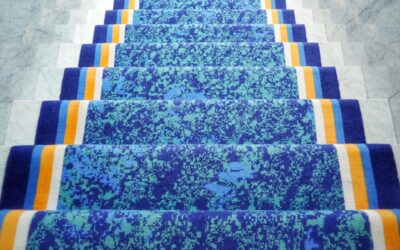
- Carpet treads: Vevor Bullnose Stair Treads (8×30 inches, $35 for 14-pack on Amazon) — soft underfoot, easy install
- Rubber treads: Roberts Indoor Rubber Stair Treads ($65 for 13-pack at Home Depot) — durable, mop-clean surface
- Vinyl with abrasive grit: Wagner Vinyl Stair Treads ($90 per 14-pack at Grainger) — heavy commercial grade
- Clear traction tape: 3M Safety-Walk Clear ($28 a roll at Lowe’s) — preserves wood appearance
- Stone-look outdoor treads: ARKETON Anti-Slip Outdoor Stair Treads (16-pack, $65) — UV-resistant, weatherproof
For most interior stairs, the Vevor bullnose carpet treads are the best balance of comfort, looks, and price. For pet-heavy or high-moisture areas like mudroom stairs, the Roberts rubber treads hold up better.
Best Adhesive-Free Options
If you rent or do not want adhesive residue on hardwood, adhesive-free treads are the right choice. They rely on a backing material like PVC dots or non-slip foam that grips the stair surface without sticking permanently. Vevor and Ottomanson both sell adhesive-free carpet treads in the $30 to $50 range per 14-pack.
For ultimate non-permanence, consider the Carnation Home Fashions 100 percent rubber stair treads. The natural rubber backing grips by friction alone, lifts off cleanly, and washes in the sink with mild soap. They run about $45 for a 13-pack on Amazon.
Treads With Strong Adhesive
For homeowners who do not plan to remove the treads, adhesive-backed options offer the most secure attachment. Roberts pre-applied adhesive treads stick firmly to clean, dry hardwood and tile. Bullnose 3M VHB tape ($25 a roll) applied to the back of a flat tread also creates a permanent bond that survives heavy traffic.
Always test in an inconspicuous spot first if the stair finish is older or oil-based. Some legacy polyurethanes react with modern acrylic adhesives, leaving a residue when the tread is removed years later.
Step-by-Step Installation
- Vacuum and dry-mop each stair to remove dust, hair, and loose debris.
- Wipe the stair surface with a slightly damp microfiber, then dry completely.
- Lay a tread on the step without adhesive backing to check sizing and position.
- Mark the tread location with painter’s tape on either side.
- Remove the adhesive backing or carrier strip.
- Press the tread firmly along the bullnose first, then roll back toward the riser.
- Use a J-roller or kitchen rolling pin to press from center outward, forcing out air bubbles.
- Let the adhesive set for 24 hours before heavy traffic.
One mistake to avoid: do not stretch the tread to make it fit. Get the correct size, allow about 1/4 to 1/2 inch from the front of the bullnose so the tread sits clear of the edge.
Treads for Specific Scenarios
For families with older adults, pick contrast colors that visually highlight the edge of each step. A medium gray carpet tread on light oak stairs reduces falls more than a same-color tread because the depth perception improves dramatically. The CDC recommends color contrast on stair edges as a fall-prevention measure.
For homes with large dogs, rubber treads outperform carpet treads. Dog nails dig into carpet pile, pull threads, and shorten the life of the tread to maybe two years. Rubber treads with a textured grip pattern (like the Roberts product) handle Labrador-sized paws for five-plus years.
Outdoor Stair Tread Picks
Outdoor wood and concrete stairs need a different category of tread. Rubber and PVC compounds break down in UV after a year or two. Pick treads with UV stabilizers and a weather-rated adhesive:
- ARKETON Anti-Slip Outdoor (16-pack, $65): UV-stable, drains water, fits 30-inch stairs
- HandiTreads Aluminum Stair Treads ($110 for 8-pack): Diamond-pattern aluminum, lifetime guarantee
- 3M Safety-Walk Coarse Outdoor (rolls, $40): Sandpaper-like grit, customizable lengths
HandiTreads are the long-term solution for wood deck stairs in snow and ice climates. Aluminum will not rot, rust, or detach when the deck moves seasonally.
Maintenance to Keep Treads Working
Vacuum carpet treads weekly to prevent fiber matting that reduces traction. Rubber treads wipe down with a damp microfiber and mild dish soap. Avoid Pine-Sol, Mr. Clean, and ammonia-based cleaners on rubber — they can soften the compound and reduce grip over time.
Replace treads when the pile flattens permanently, the adhesive lifts at the corners, or the grit pattern wears smooth on abrasive types. Most quality treads last 5 to 8 years in residential use. Cheap dollar-store treads might last six months, which is exactly why investing in the best non slip stair treads at a fair price up front saves money long-term.
Combining Treads With Other Safety Upgrades
Treads alone reduce slip risk but cannot eliminate falls caused by poor lighting, missing handrails, or worn stair nosings. Pair treads with LED step lighting (Aurora LED Stair Lights, $35 for 6 lights at Lowe’s) that mounts to the riser face and turns on automatically at dusk. The combination of texture underfoot and visibility of the stair edge cuts fall risk dramatically more than either does alone.
Code-compliant handrails (graspable, 34 to 38 inches above the nosing per IRC R311.7.8) are required on at least one side of every stair with four or more risers. Add a second rail on the opposite side for elderly residents — both hands on rails plus textured treads is the strongest fall-prevention combination short of installing a stair lift.
Treads for Specific Floor Types
Hardwood stairs accept almost any tread type. Test the adhesive in a corner before committing to a full set — old polyurethane finishes occasionally react with modern adhesives. Tile stairs (common in foyers and entries) need adhesive treads with PVC backing because the smooth surface gives standard adhesives nothing to grip. Look for treads labeled “for tile and stone” like the Vista Home Tile Tread series ($55 for 14-pack).
Painted concrete stairs benefit most from heavy-duty abrasive treads or aluminum HandiTreads. The texture of paint over concrete is uneven enough that flat carpet treads do not adhere reliably. For unpainted concrete, etch the surface with muriatic acid first to give the adhesive a fighting chance.