Hardwood and laminate stairs look beautiful, but they are genuinely dangerous underfoot, especially for kids, older adults, and pets, and that is exactly the problem carpet stair treads non slip solve. These individual carpet pads cover just the horizontal step, adding grip, cushioning, and warmth without carpeting the entire staircase or hiding the wood risers you want to show off. A good set of non-slip treads dramatically reduces the risk of slips and falls, quiets a noisy staircase, and protects the finish on your steps from wear, all while being far cheaper and easier to install than a full runner. This guide covers the materials, sizing, installation options, and care that will help you choose and fit the right treads for your stairs.
Why Non-Slip Treads Matter
Bare wood stairs are one of the most common places for household falls, and socks on a smooth, finished tread are a recipe for a serious accident. Non-slip carpet treads add a layer of traction precisely where your foot lands, giving grip that bare wood cannot. That safety benefit is the whole point, and it is why treads are so popular in homes with young children, elderly family members, and dogs whose claws slide on hard steps.
Beyond safety, treads bring practical comfort. They cushion each step, making the stairs softer and warmer underfoot, and they absorb the sound of foot traffic so a staircase no longer echoes through the house. They also shield the wood from the daily scuffing and wear that eventually dulls a finish, and because they only cover the tread, they leave the risers and side edges of your stairs visible for a tailored, semi-carpeted look that many homeowners prefer over a full runner.
Materials and Construction
Treads come in a range of materials, and the choice affects durability, grip, and looks. Most are made from synthetic carpet fibers like polypropylene, nylon, or polyester, which resist stains and wear well, though wool and higher-end blends exist for a more luxurious feel. The backing is what determines slip resistance, so it deserves as much attention as the carpet face.
- Rubber or latex backing: grips the step directly and resists sliding; common on peel-free, repositionable treads
- Adhesive-backed: a peel-and-stick layer bonds firmly to the tread for a permanent, no-shift hold
- Non-slip skid-resistant faces: some treads add a textured surface for extra traction
- Bullnose treads: wrap over the front edge of the step for full coverage and a finished look
Bullnose-style treads that curve over the leading edge, or nosing, of the step offer the best coverage and the most secure footing at the point where slips most often happen. Flat treads that sit only on the top of the step are simpler and cheaper but leave the front edge exposed, so consider where your household most needs grip.
Sizing and How Many You Need
Getting the fit right is essential, because a tread that is too small looks skimpy and a too-large one bunches or overhangs. Measure the depth of your step from the front edge back to the riser, and the width across, then compare to the tread dimensions; common sizes run roughly 8 to 9 inches deep by 24 to 30 inches wide, with bullnose versions adding a few inches to wrap the nose. Count your steps and buy one tread per step, plus consider whether you want a matching mat for the landing.
Leave a consistent margin of exposed wood on each side and at the back so the treads look intentional and centered. If your stairs are an unusual width, some brands offer trimmable treads you can cut to fit, and there are self-adhesive and set-of-multiple bundles priced from roughly $2 to $8 per tread for basic sets up to $15 or more each for premium wool and designer options.
Installation Options
One of the great advantages of stair treads is easy, tool-free installation, though the method depends on the type you buy. Repositionable treads with a grippy rubber or silicone backing simply press onto a clean step and stay put through friction, letting you lift and reposition them, which is ideal for renters and anyone who wants to remove them for cleaning. Make sure the step is clean and dust-free first, since grit under the backing reduces grip.
Adhesive-backed treads offer the most secure hold. Clean and dry the step thoroughly, peel the backing, align the tread carefully because repositioning is limited once it bonds, and press firmly from the center outward to eliminate air pockets. For extra security with non-adhesive treads, many homeowners add double-sided carpet tape or a few dabs of removable adhesive at the corners and front edge, which stops the leading edge from curling up over time. Whatever the method, press the front nosing down firmly, since a lifted front edge is itself a trip hazard.
Cleaning, Care, and Safety Tips
Keeping treads clean and secure preserves both their look and their safety benefit. Vacuum them regularly, using a handheld vacuum or the stair attachment, to lift dirt and pet hair from the pile. Spot-clean spills promptly with a mild carpet cleaner, and for removable treads with rubber backing, many can be shaken out or, if the label allows, gently machine washed and air dried; check the manufacturer’s instructions before washing, since some backings degrade in the dryer.
Inspect the treads periodically to make sure none have loosened or curled, and re-secure or replace any that have, because a shifting tread defeats the purpose. Keep the exposed wood between and beside the treads clean too, since dust there is slippery. Installed and maintained properly, carpet stair treads non slip deliver a real, measurable safety upgrade for a modest cost, protect your stairs, quiet your home, and let you keep the look of your wood staircase while eliminating one of its biggest hazards.
Choosing a Style That Fits Your Home
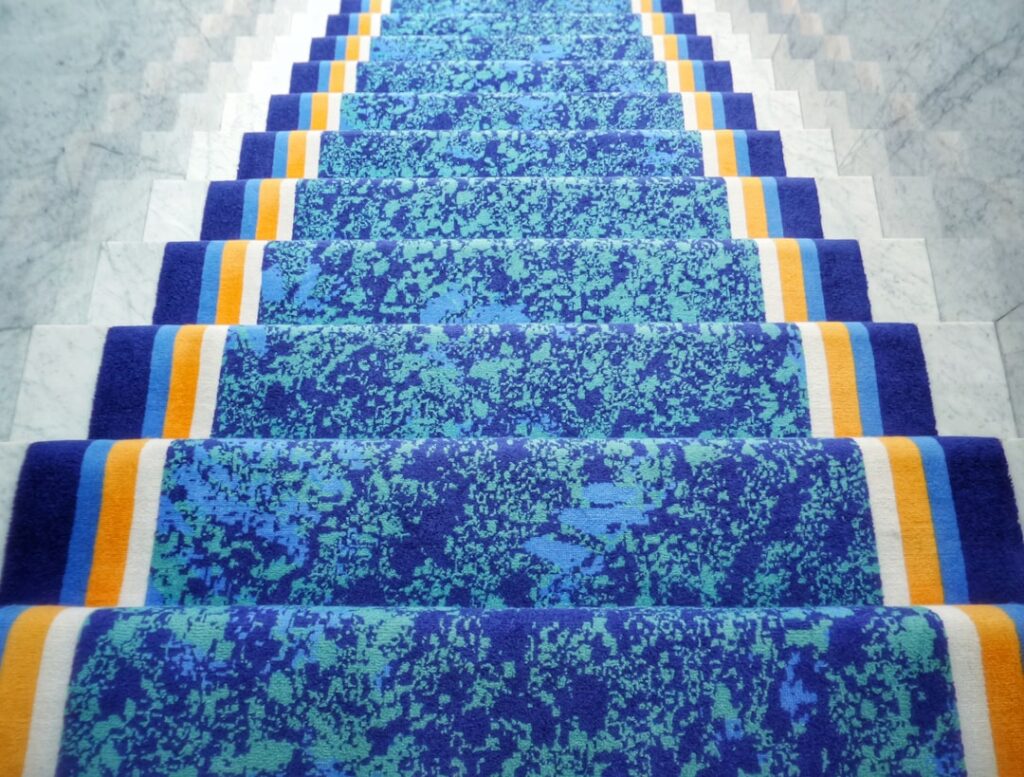
Beyond safety, treads are a chance to add color and pattern to what is often an overlooked part of the house, so choose a look that complements your decor. Neutral solids in gray, beige, or charcoal blend quietly and hide dirt well, making them a safe default for busy households. Patterned and bordered treads, from classic stripes to Persian-inspired medallions, turn the staircase into a design feature and disguise everyday soiling even better than solids. If your home leans traditional, a bound-edge tread with a decorative border reads tailored and intentional; for a modern space, a low-pile solid or a simple geometric keeps things clean. Consider how the treads relate to any nearby flooring and paint colors so the stairs feel connected to the rest of the home rather than an afterthought. Because treads are inexpensive and easy to swap, you can also refresh the look every few years without the commitment or cost of a full stair runner, which makes them a flexible as well as a practical upgrade.