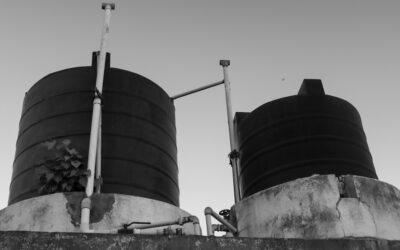
A healthy septic tank runs on a living colony of bacteria that eats the solids you flush, and the best septic tank treatment simply keeps that colony fed and thriving so the tank digests waste instead of clogging. That said, treatment is not magic — it won’t rescue a neglected tank that hasn’t been pumped in a decade. Used as monthly maintenance, though, a good product can stretch your pump-out intervals and keep the drain field flowing.
Do You Even Need a Septic Additive?
Here’s the honest contractor take: a normal household with normal use already grows plenty of bacteria on its own. Additives earn their keep in specific situations — a new tank starting from scratch, a vacation cabin that sits empty for months, a household that leans hard on antibacterial cleaners and bleach, or a system recovering from a slug of harsh chemicals. If that’s you, a monthly dose is cheap insurance against a $400 pump-out or a $15,000 drain field replacement.
What to Look For: Enzymes vs. Bacteria
Products fall into two camps, and the difference matters:
- Enzymes are proteins that chop big molecules — fats, oils, grease, cellulose — into smaller pieces. They work fast but don’t reproduce. Once they’re used up, they’re gone.
- Bacteria are living organisms that colonize the tank and multiply. They’re the actual workhorses that digest solids over time.
The best products combine both: enzymes break down the tough stuff quickly, and bacteria move in to consume it and keep growing. When you compare labels, look for a stated bacteria count (measured in CFU — colony forming units) and a blend of enzymes rather than one lonely enzyme.
Top Picks Compared
Rid-X — Best for Everyday Maintenance
Rid-X is the name everyone knows, and it earns the spot for sheer availability and value. Its Septi-Pacs and powder blend cellulase, lipase, and protease enzymes with bacteria. Monthly dosing is one packet or one scoop flushed down a toilet. At roughly $10–$15 for a three-month supply, you’re looking at about $3–$5 per dose. It won’t perform miracles, but for a standard family home it’s a reliable, no-fuss monthly habit. Buy it anywhere — grocery store, hardware store, or online.
Bio-Clean — Best Heavy-Duty Bacteria Blend
Bio-Clean is a concentrated bacteria-and-enzyme powder that professionals hand out. It’s more potent than the drugstore options and shines on sluggish drains and grease-loaded systems. A 2-lb container runs $45–$60 and lasts a household roughly six months to a year, so cost per dose lands around $2–$4 despite the higher shelf price. Mix it with warm (never hot) water and pour it down a drain at night so it works undisturbed while everyone sleeps.
Green Gobbler — Best Budget Enzyme Treatment
Green Gobbler’s septic packets are a solid value pick, delivering billions of bacteria per dissolvable pack with a mix of enzymes. A box of pacs typically runs $18–$25 for a year’s supply of monthly doses, putting cost per dose near $1.50–$2. Just drop one pac in the toilet and flush — no measuring. It’s an easy, affordable entry point if you want maintenance without thinking about it.
Cabin Obsession — Best for Vacation Homes and RVs
Cabin Obsession is built for the exact scenario additives were made for: seasonal cabins, hunting camps, and RVs that sit unused. Its dissolvable septic packets are formulated to jump-start a dormant system and knock down odor after weeks of no flow. Expect around $20–$30 for a season’s worth of packets. If you own a place that’s empty five days a week, this is the specialist tool for the job.
How Often to Dose
Most treatments are monthly. Flush your dose down a rarely-used toilet at night, and don’t run laundry or heavy water for a few hours afterward so the bacteria can settle in and colonize rather than getting flushed straight through to the drain field. A brand-new or freshly pumped tank benefits from a double dose the first month to establish the colony.
What NOT to Flush
The best septic tank treatment in the world can’t survive if you’re poisoning the tank. Keep these out of your system entirely:
- Bleach and antibacterial cleaners in quantity — they kill the very bacteria you’re paying to grow. Occasional light use is fine; a gallon of bleach is a colony-killer.
- Grease, fat, and cooking oil — these float and form a hardened scum layer that no enzyme keeps up with.
- “Flushable” wipes — they aren’t. They don’t break down and are the number-one cause of clogged tanks and pumps.
- Paper towels, feminine products, and cat litter — none of it digests.
- Paint, solvents, gasoline, and pharmaceuticals — toxic to bacteria and to the groundwater your drain field feeds.
- Garbage disposal overuse — it doubles the solids load. Scrape plates into the trash instead.
Treatment Is No Substitute for Pumping
Even the best additive routine does not replace a professional pump-out. Have a 1,000–1,500 gallon tank pumped every 3 to 5 years depending on household size — a family of four on the shorter end. Treatment slows the buildup of the sludge and scum layers; it does not make them disappear. Think of it as flossing, and pumping as the dental cleaning. You need both.
How to Tell If Your System Is Struggling
No additive fixes a problem you can’t see coming. Learn to read the early warning signs so you catch trouble while it’s still a treatment-and-pump fix rather than a drain field excavation:
- Slow drains everywhere at once. A single slow sink is a local clog. Every drain in the house dragging at the same time points to the tank or the line to it.
- Gurgling toilets when you run the washing machine or a tub — air being pushed back up because the tank or field can’t accept flow fast enough.
- Sewage odor in the yard or near the tank lids.
- Soggy, unusually green grass over the drain field — effluent is surfacing because the field is saturated or failing.
- Backups starting in the lowest fixtures — the basement floor drain or a first-floor toilet.
If you’re seeing these, skip the additive and call for a pump-out and inspection first. Treatment is maintenance, not rescue.
Liquid vs. Powder vs. Packets
Form factor is mostly about convenience, and the best septic tank treatment for you is the one you’ll actually remember to use. Powders like Rid-X and Bio-Clean are the most concentrated per dollar but require scooping and, for Bio-Clean, mixing with warm water. Dissolvable packets from Green Gobbler and Cabin Obsession are the most foolproof — drop one in the toilet, flush, done, with no measuring and no mess. Liquid treatments pour easily and disperse fast but tend to cost more per dose for the same bacteria count. For a busy household, the toss-and-flush packet wins on sheer consistency, and consistency is what keeps the colony alive.
A Realistic Monthly Cost
Put the whole picture together and septic maintenance is cheap relative to what it protects. Budget roughly $2 to $5 a month for treatment, plus a $300 to $500 pump-out every 3 to 5 years, which averages out to under $10 a month. Set against a failed drain field that can run $10,000 to $25,000 to replace, the math makes maintenance a no-brainer. Put a recurring reminder on your phone for the monthly dose and mark your next pump-out date on the calendar.
The Bottom Line
For a standard home, Rid-X or Green Gobbler gives you cheap, easy monthly maintenance. For a grease-heavy or sluggish system, step up to Bio-Clean. For a cabin or RV that sits empty, Cabin Obsession is the right specialist. Whichever you pick, pair it with disciplined flushing habits and a pumping schedule, and your septic system will run quietly for decades instead of failing at the worst possible moment.