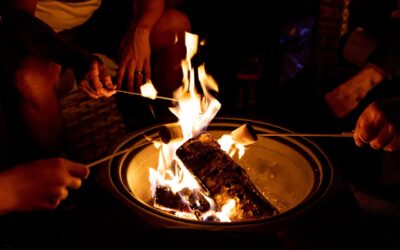
Anyone who has spent an evening dodging campfire smoke understands the appeal. Smokeless fire pits use a double-wall design to preheat secondary air and inject it through holes near the rim, completing combustion of the volatile gases that would otherwise rise as visible smoke. The result is a brighter, hotter, cleaner burn — and clothes that don’t smell like a bonfire the next morning. The best smokeless fire pits in 2026 deliver on the marketing claim, but the field has gotten crowded with knockoffs that just have holes punched in cheap steel.
I’ve burned through more than 200 lbs of seasoned oak in five different units this year. Here are the ones worth the money.
Top Pick: Solo Stove Bonfire 2.0 ($330)
Solo Stove practically invented the consumer smokeless category, and the Bonfire 2.0 remains the unit to beat. The 19.5-inch diameter, 14-inch tall stainless steel construction delivers a near-zero smoke burn within 90 seconds of ignition, assuming you use properly seasoned wood at 20 percent moisture or below.
The 2.0 update added a removable ash pan and a lift attachment for cleaning, both of which the original lacked. Solo Stove sells a stand ($60), a cover ($65), and a heat-deflector lid that converts the pit into a tabletop heat lamp ($170). Total kit pricing creeps toward $500 quickly. The basic unit is what you want.
Premium Pick: Breeo X Series 24 ($600)
If Solo Stove makes the iPhone of fire pits, Breeo makes the Land Rover. The X Series 24 is built from heavy-gauge corten steel that develops a deep patina within months of outdoor use. At 24 inches across and 38 lbs, it produces a noticeably bigger fire with more usable heat radius (around 6 feet versus Solo’s 4-foot effective heat zone).
The killer feature is the Outpost cooking accessory ($230), a swing-arm grill plate that turns the fire pit into a backyard cooking station. Breeo also offers a Sear Plate ($150) for direct flame-grilled steaks. The whole system is American-made in Lancaster, Pennsylvania, with a lifetime warranty against burn-through.
Budget Pick: Tiki Brand Patio Fire Pit ($300)
Tiki licensed the technology in 2022 and brought a slightly smaller, slightly cheaper smokeless fire pit to mass-market hardware stores. The 25-inch unit is steel with a powder-coat finish instead of the bare stainless of Solo Stove. The included wood pellet starter pack is a clever onboarding touch.
Honest trade-offs: the powder coat will eventually flake along the rim where the secondary air holes pass heat through the metal. Expect cosmetic wear within two seasons. Function-wise it burns nearly as cleanly as Solo Stove for two-thirds the price.
Best Large Format: Blue Sky Mammoth ($800)
For larger gatherings or commercial use, the Blue Sky Mammoth runs 36 inches across and holds an actual log cabin’s worth of cordwood. The 304 stainless steel construction matches Solo Stove’s quality, and the integrated grate sits high enough off the floor that ash management is straightforward.
Weight is real: 96 lbs assembled, which means this is not a portable pit. Plan a permanent home for it. Best for households that entertain regularly and need radiant heat in a 10 to 12-foot circle.
What Makes Them Actually Smokeless
The science is the same across all brands. Cold air enters through holes at the base, gets channeled up between the inner and outer walls, heats to 600°F to 800°F as it rises, and exits through a ring of small holes near the rim. That superheated air ignites the unburned hydrocarbons coming off the wood pile, completing combustion that would otherwise leave the fire as visible smoke.
The system only works with dry, seasoned hardwood. Pine and other softwoods produce too much sap. Pressure-treated lumber releases toxic chemicals. Wet wood at over 25 percent moisture content produces white smoke until it dries out enough to participate in the secondary burn, usually 5 to 10 minutes in.
Wood Selection and Burn Quality
Oak, hickory, and maple deliver the longest, hottest burns. Plan on 4 to 5 lbs of seasoned hardwood per hour for a steady, useful fire. A 19.5-inch Solo Stove holds about 20 lbs of wood, which translates to roughly four hours of burn time per fill.
Compressed wood blocks (Quick-N-Easy, Pine Mountain) work cleanly in smokeless pits and produce less ash. They cost $7 to $12 per box of six blocks and deliver about 2 hours of burn each. Convenient for apartment dwellers without easy access to firewood, expensive for regular use.
Maintenance and Storage
Stainless steel pits develop a heat-tint patina that is purely cosmetic. If you want to keep the polished look, wipe down with Bar Keepers Friend Cleanser and a damp blue Scotch-Brite pad after each cool-down. Most owners learn to love the patina within a season.
Always store the pit covered or upside down to prevent water from collecting in the bottom. Water plus ash forms lye, which corrodes the bottom plate of even stainless models. Empty the ash within 48 hours of a burn. A Solo Stove cover at $65 is worth the spend; an upside-down trash can lid works for under $10.
Local Burn Bans and HOA Rules
Smokeless does not mean exempt. Many municipalities ban open flames during drought or red-flag fire weather warnings, regardless of how clean your unit burns. Check your county fire marshal’s website before lighting up during dry months. Most HOAs allow contained fire pits on patios but require minimum setbacks from structures, usually 10 to 15 feet.
A propane smokeless alternative (Solo Stove Mesa XL, $200) bypasses most burn ban restrictions because it has no solid fuel. Output is smaller and the ambience is closer to a fire bowl than a real wood fire, but it lights instantly and stops the moment you turn the valve.