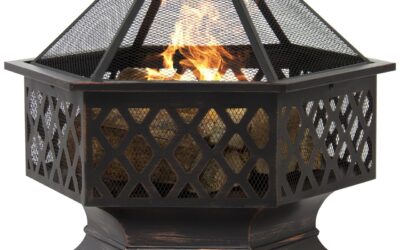
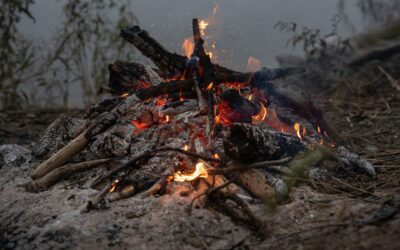
Smoke is unburned fuel. Every gray cloud drifting toward your neighbors is wood gas and moisture that never got hot enough or got enough air to combust. It also explains the answer for anyone wondering how to make a smokeless fire, since low smoke is mostly technique, not an expensive pit. Burn dry wood, give the fire plenty of oxygen, and build it so it gets hot fast, and smoke drops dramatically.
The quick answer: use seasoned hardwood with moisture under 20 percent, build a top-down fire with large logs on the bottom and kindling and tinder on top, keep the fire small and hot, and make sure air can reach the base. Avoid wet wood, green wood, leaves, trash and treated lumber. No wood fire is completely smoke-free, but a well-built one produces only a faint haze once it is burning.
The same principles work in a steel smokeless pit, a stone ring in the backyard or a campfire ring at a campground.
How to Make a Smokeless Fire Starts With Dry Wood
Moisture is the number one cause of smoke. Freshly cut wood can be 40 percent water or more by weight, and the fire spends its energy boiling that water off instead of burning cleanly. Properly seasoned firewood sits below 20 percent moisture. A wood moisture meter makes this easy: split a log and press the pins into the fresh inner face, since the outside reads drier than the core.
Without a meter, look for checking (cracks radiating from the center of the log ends), bark that peels easily, a lighter weight than you expect, and a hollow clack when two pieces knock together. Green wood thuds and often smells sappy. Split, stack and cover firewood off the ground for six months to a year, longer for dense oak, with the sides open to the wind.
Species matters too. Dense hardwoods like oak, maple, ash, hickory and beech burn longer and cleaner once dry. Softwoods like pine and spruce light easily but contain more resin, which can mean more sparks and sooty smoke if used as the main fuel. They are fine as kindling.
What You Need
- Seasoned hardwood splits, wrist to forearm thickness
- Dry kindling from pencil to thumb thickness
- Tinder: commercial fire starters, dry wood shavings, or a twist of newspaper
- Long fireplace lighter or matches
- A wood moisture meter (optional but useful)
- Fire poker, heat-resistant gloves and a shovel
- A bucket of water, hose or fire extinguisher within reach
Build a Top-Down Fire Lay
The top-down, or upside-down, fire is the most reliable low-smoke lay because it burns from the top like a candle. The flame preheats and gasifies the wood below it, and the smoke rising from lower logs has to pass through the flames above, where much of it burns.
- Base layer: place three or four of your largest splits side by side across the bottom of the pit, leaving small gaps for air.
- Second layer: lay a row of medium splits crosswise on top.
- Third layer: add a crosswise layer of smaller splits.
- Kindling: add two or three crisscrossed layers of kindling, smallest on top.
- Tinder: nestle tinder or a natural fire starter on the very top.
- Light it: light the tinder and leave it alone. Resist the urge to poke. The fire will work its way down over 20 to 40 minutes and often burns an hour or more without new wood.
A traditional teepee also burns cleanly once established, but it collapses and needs constant feeding. The log cabin is in between. Whatever lay you choose, light it from the top or the center with plenty of small fuel so the fire reaches high heat quickly.
Airflow and Pit Design
Fire needs oxygen at the base. A solid-bottom pit full of old ash smothers the lower logs and makes them smolder, which is exactly what creates smoke. Scoop out cold ash before each fire, leaving just a thin layer, and raise logs on a grate if your pit allows it. Pits with vents near the bottom, or double-wall steel pits that draw air up through the walls and release preheated air near the rim, burn wood more completely, which is why they produce so little smoke.
Keep the fire small and hot rather than large and stuffed. Adding several logs at once cools the fire and buries the coals; add one or two splits at a time, placing them on the hottest part of the fire. If you are building a campfire, choose an established fire ring, clear the area of leaves and dry grass, and build on bare mineral soil.
What Never to Burn
- Pressure-treated, painted or stained lumber, which release toxic fumes
- Plywood, particleboard and pallets of unknown origin
- Wet leaves, grass clippings and yard waste
- Trash, cardboard, plastic and glossy paper
- Driftwood, which can release corrosive and harmful compounds
- Poison ivy or poison oak vines, whose smoke can harm lungs
Keeping the Fire Clean Once It Is Going
Smoke usually returns at two moments: when you add wood and when the fire burns down to a bed of coals. To manage the first, add splits that are already warm and dry. Some people stack the next few pieces near, but not touching, the pit so they preheat. Lay each piece on the brightest coals, ideally with a little space beneath it, and add the next only when the last one is fully involved in flame. Several small splits beat one big round, because more surface area catches flame quickly and burns hotter.
For the second, a fire that has burned down to glowing coals produces very little smoke on its own. If you want to keep it going, add a handful of kindling first to create flame, then a medium split. Throwing a heavy log straight onto dull coals is the classic way to fill the yard with smoke. When you are ready to wind down, simply stop adding fuel an hour ahead and let the coals burn to ash.
Wind direction matters for comfort too. Arrange chairs so the prevailing breeze carries any smoke away from the seating and away from open windows, and think about where the plume goes relative to your neighbors’ yards and patios. A clean, hot fire rises steeply and disperses quickly, while a smoldering one hugs the ground and drifts.
Fire Safety Basics
Check local burn rules, burn bans and HOA restrictions before lighting any backyard fire. Keep pits well away from structures, fences, overhanging branches and covered patios, typically 10 to 25 feet depending on local rules and the pit manual. Never use gasoline or lighter fluid to start or revive a fire. Keep water, a hose or an extinguisher close, supervise children and pets, and skip the fire on windy days. To put it out, drown it with water, stir the ashes and feel for heat, repeating until everything is cool, then store ashes in a lidded metal can away from the house.
Troubleshooting Smoky Fires
- Lots of white smoke: the wood is wet; switch to drier splits and check them with a meter.
- Smoldering logs: airflow is blocked; clear ash, separate logs slightly and raise them on a grate.
- Smoke when adding wood: the new log is cooling the fire; add smaller pieces to hot coals one at a time.
- Black, sooty smoke: you are burning resinous softwood or something that should not be in the fire.
- Smoke following you: that is the wind and the convection draw; a hotter, smaller fire rises more vertically.
Costs and When to Consider an Upgrade
The cheapest improvement is better firewood. Kiln-dried firewood costs more per bundle than seasoned cordwood but burns very cleanly; buying a cord in spring and seasoning it yourself is the economical path. A moisture meter is inexpensive. Steel smokeless pits range from small tabletop models to large backyard units, and they help, but even the best pit smokes with wet wood. If smoke regularly bothers neighbors, a gas fire pit installed by a licensed pro is the near-smokeless option.
In the end, learning how to make a smokeless fire is about habits more than hardware: dry fuel, open airflow and small additions on hot coals will clean up the burn in almost any pit.
Frequently Asked Questions
What wood makes the least smoke?
Well-seasoned dense hardwood such as oak, maple, ash or hickory, dried below 20 percent moisture, produces the least smoke once the fire is hot.
How do you build a smokeless campfire?
Use dry dead wood, clear the old ash, build a small top-down or log cabin lay with lots of fine kindling, and add fuel a piece at a time to keep the fire hot.
Why does my fire pit smoke so much?
Usually wet wood, too little air at the base, or too many logs added at once. Fix those three and smoke drops dramatically.
Do smokeless fire pits really work?
They reduce smoke noticeably by preheating secondary air, but they still smoke with green or wet wood, so dry fuel remains essential.
Is a top-down fire hard to light?
No. Use enough tinder and fine kindling on top, light it, and leave it alone; it burns downward steadily with little attention.